时尚产业转型

Search documents
2026第十二届哈尔滨国际时装周将于明年1月9日启幕
Xin Lang Cai Jing· 2025-12-23 15:58
Core Viewpoint - The 2026 12th Harbin International Fashion Week will commence on January 9, 2026, showcasing the integration of fashion and ice culture, aiming to enhance Harbin's global fashion presence and promote high-quality development in the local garment and creative design industry [1][5][10]. Group 1: Event Overview - The Harbin International Fashion Week, initiated in 2011, has successfully completed eleven editions, evolving into a significant platform for showcasing Chinese fashion brands on a global stage [3][10]. - The theme for this year's event is "Ice and Snow Build Fashion, Fashion Links the World," focusing on fashion design, brand empowerment, industry aggregation, and cultural tourism [5][14]. - The event will feature a diverse range of activities, including fashion shows, salons, competitions, and city exploration, creating a comprehensive ice and snow fashion celebration [6][15]. Group 2: Activities and Highlights - The fashion week will consist of three main segments: professional fashion week, ice and snow fashion tourism, and a nationwide consumption festival, utilizing a "42211" panoramic system [6][14]. - Four types of fashion shows will be held, including international independent designer showcases and children's fashion shows, emphasizing health and wellness in clothing [14][15]. - Two salons will facilitate discussions on industry trends and innovations, while competitions will nurture local design talent and promote children's fashion awareness [7][15]. Group 3: Industry Impact - The event is expected to significantly contribute to the high-quality development of China's garment industry, establishing Harbin as a key player in the global fashion landscape [10][13]. - Harbin's unique attributes, including its status as a northern gateway for China's openness, provide a solid foundation for the fashion week’s growth and international recognition [12][13]. - The collaboration between the China National Textile and Apparel Council and Harbin aims to integrate high-tech fabric development and functional clothing design into the local economy, enhancing the region's competitiveness [13].


荔湾时尚产业:从个体经营走向品牌运营
Sou Hu Cai Jing· 2025-06-10 01:20
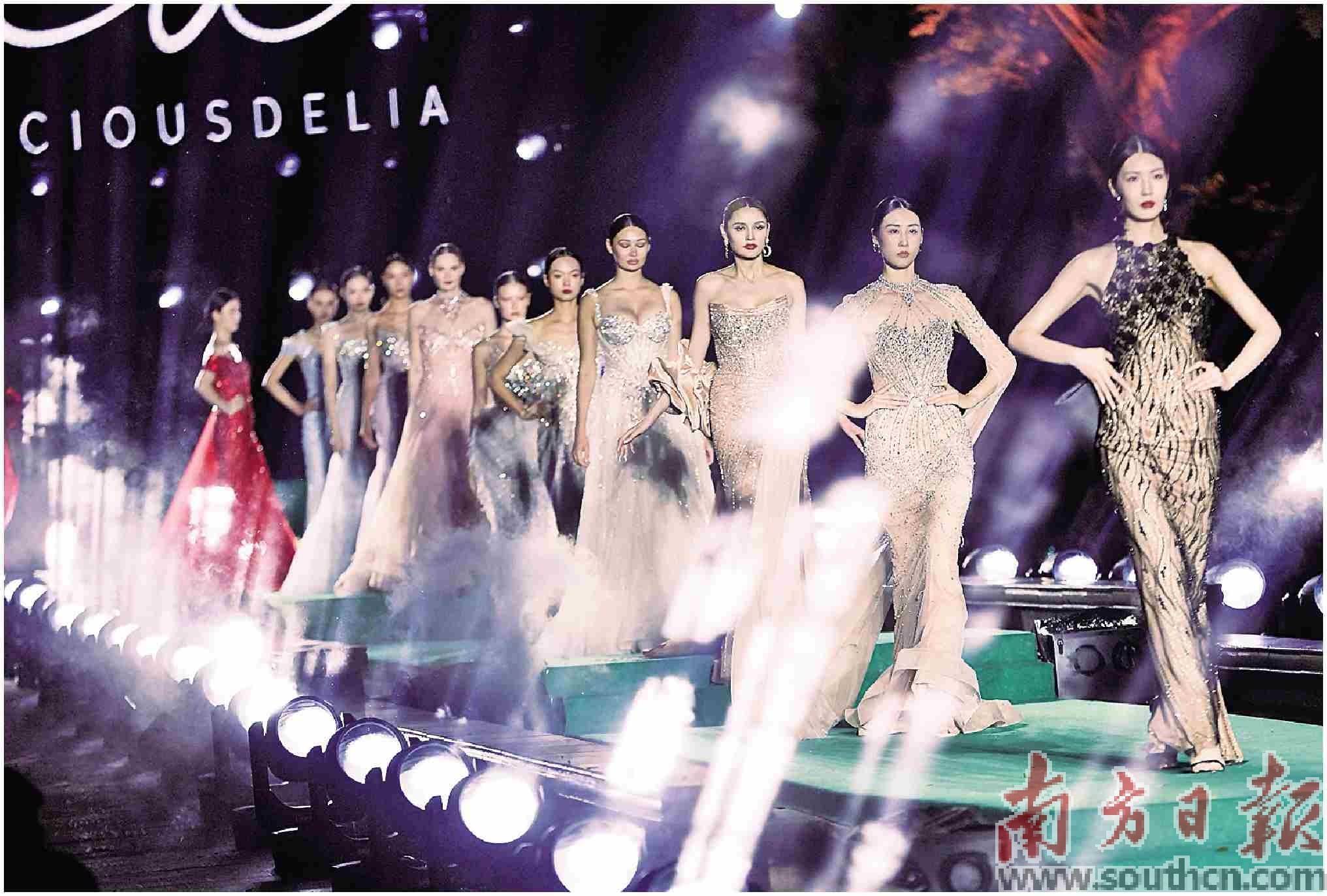
Core Insights - The 2025 Guangzhou Bay Area Fashion Art Week successfully showcased the city's rich fashion heritage and diverse cultural scenes, highlighting Guangzhou's strengths in the fashion industry, including apparel, jewelry, and cosmetics [2][3][4] - The event featured a blend of international luxury brands and local designers, enhancing the visibility of Guangzhou as a significant player in the global fashion market [3][4] - The transformation of historical sites like Shamian Island into vibrant fashion venues reflects the city's commitment to integrating culture and commerce, attracting international brands to host events in these iconic locations [4][5] Industry Development - The Guangzhou government is promoting the city as an international consumption center, leveraging fashion as a potential growth driver to meet diverse consumer demands [3][6] - The "Thirteen Halls" area is evolving from a traditional wholesale market to a brand incubation hub, with a focus on adapting to market changes and enhancing brand visibility [6][7] - Local fashion associations are fostering collaboration among businesses and establishing training programs to develop talent in design, brand management, and marketing, aiming to elevate the fashion industry's overall quality [8] Brand Engagement - International luxury brands are increasingly choosing Guangzhou for their events, indicating the city's growing importance as a launch market for new collections and brand initiatives [4][5] - The success of events like the Guangzhou Bay Area Fashion Art Week demonstrates the potential for local brands to gain recognition and expand their market presence through strategic partnerships and high-profile showcases [6][7] - The transformation of local markets into experiential spaces reflects a shift in consumer expectations, emphasizing the need for quality brands and unique shopping experiences [7][8]