星舰迭代

Search documents
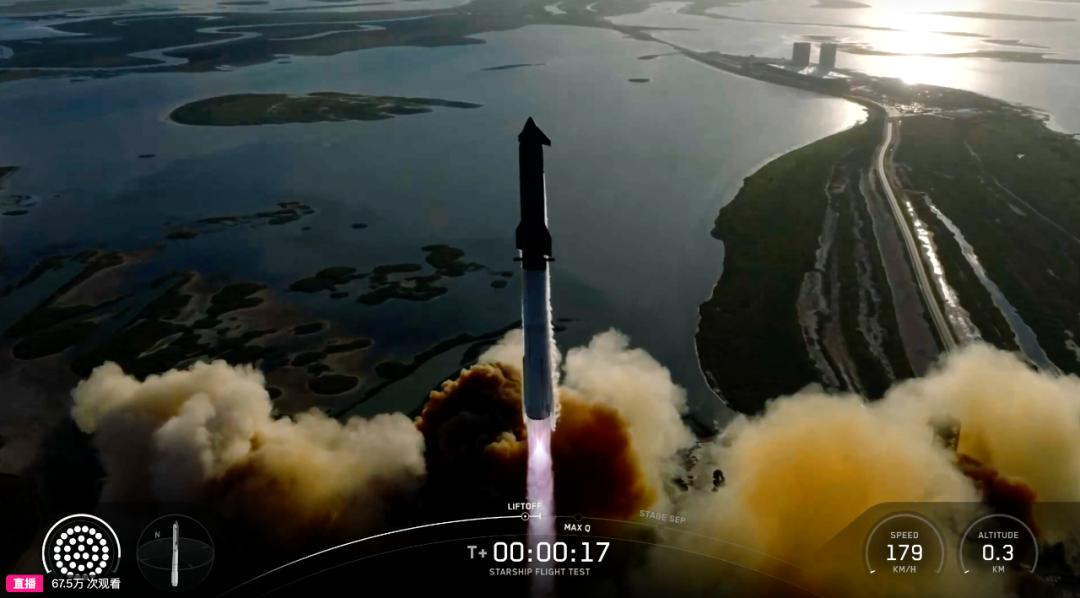
马斯克二代星舰最后一飞成功了!彩蛋:黄仁勋亲自上门送超算
创业邦· 2025-10-14 10:25
Core Viewpoint - The successful completion of the Starship V2 mission marks a significant transition towards the Starship V3 era, which is crucial for future Mars missions [6][51]. Group 1: Mission Overview - The Starship V2 mission utilized the Super Heavy Booster 15 and Starship 38, with the booster previously demonstrating successful flight capabilities [12]. - The mission aimed to validate a new landing engine configuration for future Super Heavy boosters [14]. - The Starship successfully deployed 8 Starlink simulators, each weighing approximately 2000 kg, as part of a rehearsal for future V3 satellite launches [23][28]. Group 2: Technical Innovations - The mission involved a new landing configuration using 5 engines, enhancing redundancy and safety during landing [20]. - SpaceX implemented a new material called "Crunch Wrap" to protect against high-temperature plasma penetration between heat shield tiles [36][37]. - The mission tested the Starship's ability to reignite a Raptor engine in space, simulating the re-entry maneuver necessary for returning to Earth [28]. Group 3: Iterative Development Philosophy - SpaceX's approach emphasizes learning from failures to drive progress, with the V2 mission serving as a testbed for V3 and beyond [44][52]. - The mission's complexity included a dynamic maneuver to simulate landing procedures, reflecting the iterative nature of SpaceX's development strategy [45][48]. - The Starbase launch pad will undergo significant upgrades post-mission to accommodate larger V3 and V4 Starship launches [51].

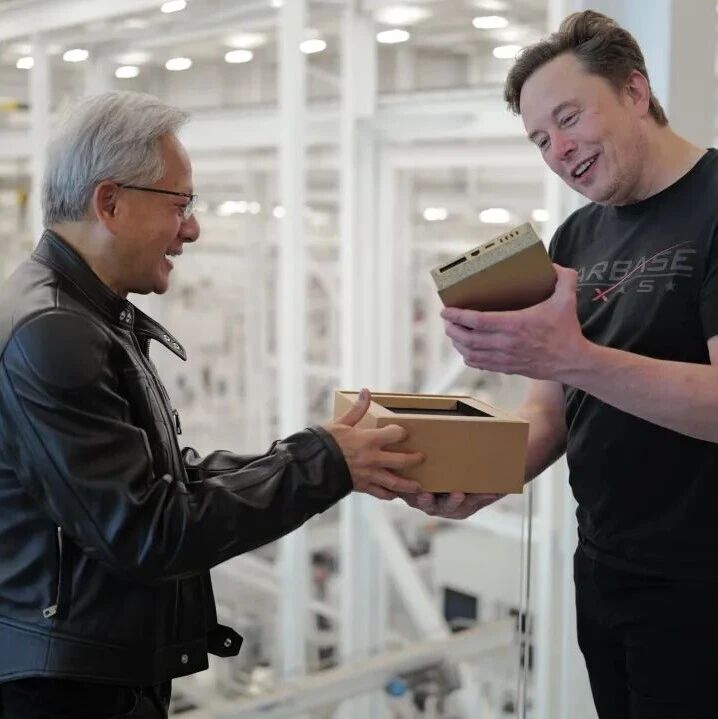
刚刚,马斯克二代星舰最后一飞成功了,彩蛋:黄仁勋亲自上门送超算
3 6 Ke· 2025-10-14 02:27
Core Insights - The successful completion of the Starship V2's final flight marks a significant transition for SpaceX towards the Starship V3 era, which is crucial for future Mars missions [3][8] - The mission utilized Super Heavy Booster 15 and Starship 38, with the booster testing a new landing engine configuration to lay the groundwork for the next generation of super heavy boosters [8][10] Mission Details - The Starship V2 mission involved the deployment of 8 Starlink simulators, each weighing approximately 2000 kg, with a total payload mass of around 16000 kg [18] - The deployment process was efficient, taking about 1 minute for each simulator, and the side payload door design allowed for smoother satellite releases compared to previous missions [20] - The mission also successfully tested the re-ignition of a Raptor engine in space, simulating the "deorbit burn" operation necessary for returning to Earth [22] Thermal Protection Testing - SpaceX intentionally removed thermal tiles from vulnerable areas of the Starship to expose the underlying structure to re-entry heat, testing the vehicle's extreme performance [24][26] - A new high-temperature resistant material called "Crunch Wrap" was used to protect the gaps between tiles, preventing high-temperature plasma from penetrating [28] - The production capacity for thermal tiles is currently around 1000 tiles per day, with a goal to scale up to 7000 tiles daily to support future missions [30] Iterative Development Philosophy - The mission's complexity aimed to gather data for future return-to-launch-site landings, incorporating advanced maneuvers such as dynamic tilt maneuvers and final approach corrections [31][36] - The flight path was designed to simulate the landing procedures for future Starship missions, emphasizing the iterative approach of testing and learning from failures to achieve rapid advancements in aerospace technology [34][38]