智慧酿造

Search documents
“曲”尽其妙:叙府如何以科技赋能千年制曲工艺?
Zhong Guo Shi Pin Wang· 2025-12-29 10:32
Core Insights - The article highlights the significance of the ancient Chinese text "Qimin Yaoshu" by Jia Sixie, which serves as a comprehensive guide to agricultural practices and food technology, particularly in brewing techniques [1][5] - It emphasizes the continuity of brewing craftsmanship from ancient times to modern practices, showcasing how traditional methods are being innovatively adapted in contemporary settings [3][6] Summary by Sections Ancient Wisdom in Brewing - "Qimin Yaoshu" contains detailed records of brewing techniques, including methods for making various types of yeast, showcasing a complete system from raw material selection to environmental control [5] - The text emphasizes the importance of timing, quality of ingredients, and meticulous processes, reflecting a deep understanding of natural laws [5] Modern Adaptation and Innovation - The modern company, Xufu, respects traditional methods while integrating innovative practices, focusing on "smart brewing" through the selection of effective microbial strains and advanced biotechnological processes [6][10] - Xufu optimizes key parameters such as ingredient ratios, temperature, humidity, and fermentation cycles, ensuring the preservation of traditional flavors while enhancing them with modern characteristics [6][11] Cultural Continuity and Craftsmanship - The article illustrates the transmission of craftsmanship and the spirit of artisanship from "Qimin Yaoshu" to contemporary brewing practices, emphasizing a respect for natural laws and a commitment to detail [9][11] - The pursuit of exceptional flavor and adherence to traditional methods are highlighted as key elements that allow the essence of ancient brewing to remain relevant today [11]

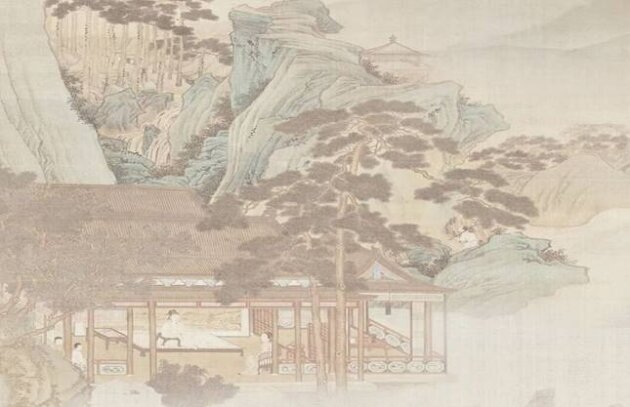
从被“限制”到成为“经典”,酿酒业迎来战略升维新机遇
Sou Hu Cai Jing· 2025-10-17 15:21
Core Viewpoint - The recent guidance from the Ministry of Industry and Information Technology marks a significant shift in the positioning of the liquor industry, elevating it to the status of a "historical classic industry" alongside silk, tea, and traditional Chinese medicine, indicating a transition towards high-quality development and cultural empowerment [2][3][7]. Group 1: Industry Positioning and Development - The liquor industry, previously labeled as a "restrictive industry," is now recognized for its cultural significance and potential for high-quality growth, reflecting a fundamental policy change from restrictive to supportive development [2][7]. - The guidance outlines a clear blueprint for the liquor industry's development over the next five to six years, emphasizing cultural empowerment, innovation, and cross-industry integration [4][5]. Group 2: Specific Goals and Planning - By 2028, the goal is to cultivate over 50 leading enterprises with a scale of 10 billion, create several industry clusters with a scale of 100 billion, and establish over 100 world-renowned brands [5]. - The guidance emphasizes the need for targeted support for leading enterprises, encouraging mergers and resource integration to enhance industry concentration and brand value [5][6]. Group 3: Technological and Cultural Integration - The guidance supports the acceleration of key technologies, such as "fermentation control," from laboratory to industrial application, providing a pathway for smart brewing and technological upgrades in the liquor industry [6]. - It encourages the integration of liquor production with tourism and cultural experiences, promoting immersive marketing strategies that transform production sites into interactive cultural consumption spaces [6]. Group 4: Strategic Implications for Enterprises - Leading liquor companies are encouraged to leverage the "historical classic industry" designation to enhance cultural narratives and pursue brand premiumization and internationalization [8]. - Regional liquor companies should capitalize on local policy advantages to develop distinctive products and explore new models like "liquor-tourism integration" to achieve differentiated growth [8]. Group 5: Overall Industry Transformation - The guidance calls for the liquor industry to redefine its value creation methods through a broader cultural perspective, advanced technology, and an open global framework [8]. - Companies are advised to align their strategies with the macro policy direction while carefully assessing their resources and capabilities to navigate the ongoing industry adjustments [8].