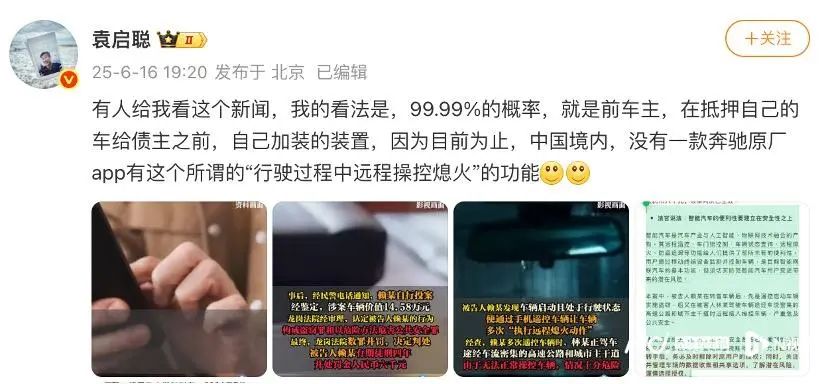
智能汽车数据安全

Search documents
汽车数据安全监管趋严,奇瑞打出“隐私保护牌”
Jing Ji Guan Cha Wang· 2025-10-15 12:08
Core Insights - Chery's Fengyun T11 has officially started pre-sales, positioning "privacy protection" as its core selling point, contrasting with the trend of data collection in mainstream smart vehicles [2] - The global smart automotive industry is entering a critical period of reshaping privacy protection rules, with user privacy expected to become a significant competitive arena [2][8] Data Privacy and Technology - The rapid proliferation of smart vehicles has transformed them into massive data collection platforms, raising concerns about user privacy [3] - Fengyun T11 features four core privacy protection functions, supported by a comprehensive technology system that integrates hardware security, encryption, local processing, and zero-trust principles [3] - The account information isolation function exemplifies the application of the zero-trust security concept in vehicle systems, ensuring that user data remains protected from cross-account leakage [3][4] Regulatory Environment - China's data security regulatory framework has evolved, making privacy protection a mandatory requirement for automotive companies [5][6] - A complete legal system for automotive data security has been established, providing clear legal boundaries for data processing activities [5] - Recent inspections revealed data security vulnerabilities in several vehicle models, highlighting the need for compliance with data protection regulations [7] Global Trends - The global landscape for data privacy protection regulations is also intensifying, with the EU's Data Act granting users greater control over vehicle-generated data [8] - China's initiative to establish an international standard for privacy protection in smart mobility services marks a significant step in global privacy regulation [8] - Privacy protection is becoming a key dimension for assessing automotive companies' market competitiveness, shifting from a compliance cost to a means of building brand trust and creating value [8]

深圳一车辆高速失控引关注!奔驰回应了
Nan Fang Du Shi Bao· 2025-06-18 11:24
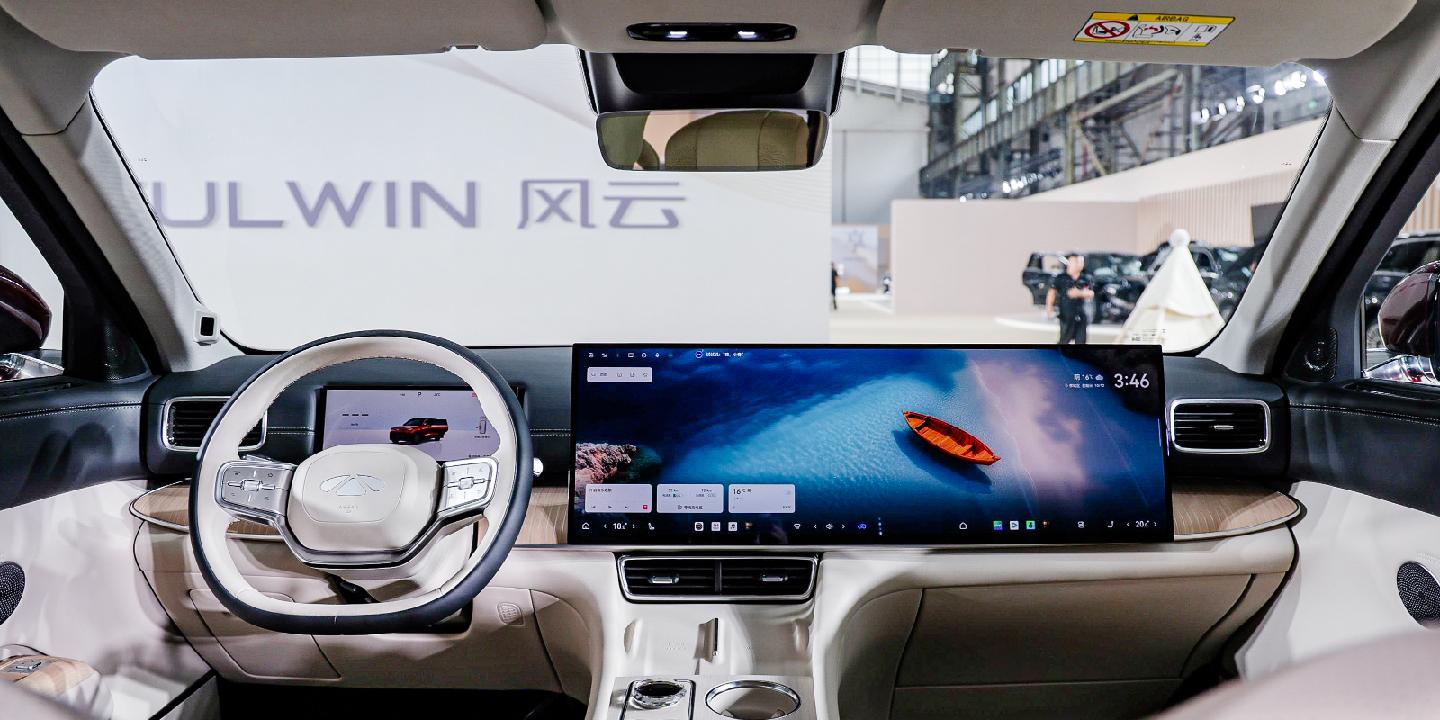
Core Insights - The incident involving a Mercedes-Benz vehicle in Shenzhen, which was remotely controlled to shut down while driving, has raised significant concerns about vehicle security and data safety [1][3] - The court sentenced the perpetrator to four years in prison and a fine of 6,000 RMB, highlighting the legal consequences of such actions [1] Company Response - Mercedes-Benz stated that all remote control functions require matching vehicle information with the owner's personal information and must be authorized by the owner through strict backend verification [2] - The company clarified that remote functions, including pre-starting the engine, can only be activated when the vehicle is stationary and that no remote shutdown is possible while the vehicle is in motion [2] Industry Analysis - Automotive expert Yuan Qicong suggested that the incident likely involved unauthorized modifications made by the previous owner, as no official Mercedes-Benz app currently offers the capability to remotely control a vehicle while it is in motion [2] - This case serves as a cautionary tale regarding the data security risks associated with smart vehicles and emphasizes the importance of purchasing used cars through legitimate channels to avoid potential security threats [3]