有机升级

Search documents
门店数量加速收缩、创始人清仓退出,茉酸奶如何走出“泥潭”?
3 6 Ke· 2025-12-30 03:54
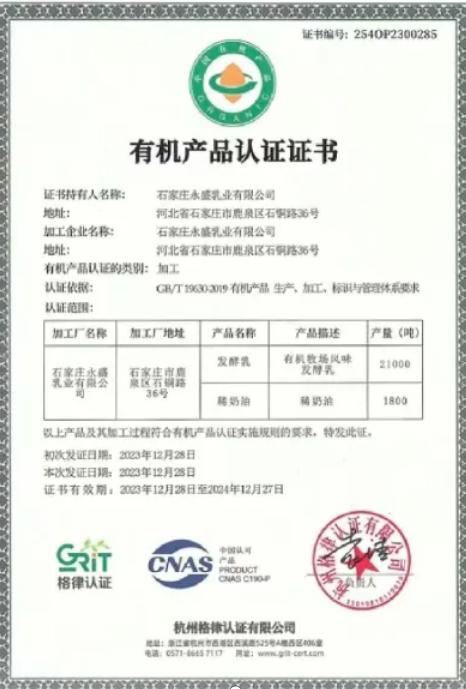
Core Viewpoint - The recent developments surrounding Mo Yogurt, including changes in ownership and a significant reduction in store numbers, raise questions about its operational viability and the strategic intentions of its major shareholder, Junlebao [1][5]. Group 1: Ownership Changes - Mo Yogurt's founder Zhao Bohua has exited the company, while Junlebao has become the second-largest shareholder with approximately 43% ownership after investing about 21,000 yuan [1][7]. - Junlebao previously held a 30% stake in Mo Yogurt and re-entered the company shortly after a brief exit, indicating a strategic interest in the brand [7][8]. Group 2: Store Expansion and Challenges - Mo Yogurt experienced rapid growth, adding 1,368 stores in 2023, bringing the total to 1,682 stores, making it a leader in the fresh yogurt market [2]. - However, the brand faced significant controversies, including the use of non-compliant ingredients and misleading nutritional claims, leading to a decline in store numbers by nearly one-third from its peak [2][4]. Group 3: Strategic Moves and Market Position - In late 2024, Mo Yogurt announced an "organic upgrade" to its products, although the certification process raised questions about the credibility of the certifying body [4]. - Junlebao's involvement in Mo Yogurt is seen as part of its broader strategy to explore new market opportunities and potentially facilitate its own IPO process, which has been ongoing for over 18 months without a submitted prospectus [8][9]. Group 4: Financial Considerations - The valuation of Mo Yogurt has been a topic of discussion, with Junlebao's investment suggesting a low valuation of approximately 500,000 yuan for a company with a thousand-store scale [7]. - Junlebao's financial health is under scrutiny, as its debt ratio was significantly higher than the industry average, raising concerns about its aggressive acquisition strategy [8][9].

2025年全球儿童有机配方营养品趋势白皮书-小小伞
Sou Hu Cai Jing· 2025-08-04 09:15
Core Insights - The report highlights the growing trend of organic formula nutrition products for children, driven by health awareness and fertility policies, marking a new growth point in the maternal and infant industry [1] - The Chinese maternal and infant market is projected to reach 4.2 trillion yuan in 2023 and exceed 5 trillion yuan by 2025, with a significant growth rate in children's nutrition products [1][16] - Parents' demand for children's nutrition has shifted from "supplement" to "necessity," with safety and nutritional content being the primary considerations [1][16] Part 1: Nutritional Demand Changes in the New Parenting Era - The children's nutrition market is expected to accelerate, with a compound annual growth rate of approximately 9.3% from 2023 to 2025 [16][22] - The sales of children's nutrition products on JD platform are projected to grow by 20% year-on-year in 2024 [1][16] - Safety and nutritional adequacy are the top concerns for parents when selecting children's nutrition products, with 53% prioritizing product safety [19][20] Part 2: Global Practices and Opportunities in Organic Formulas - The organic market in China is rapidly developing, with sales of organic products surpassing 100 billion yuan in 2023, a 1.61 times increase from 2018 [11][12] - Over 90% of surveyed respondents have purchased organic food, with children's nutrition products being the preferred category [50][53] - The global organic food market is expected to reach $144.24 billion by 2024, with significant growth potential in China [11][12] Part 3: Choosing Organic Formulas for Children - Key factors influencing the acceptance of organic formulas include taste and form, with liquid forms being favored for their quick absorption [2][66] - The trend of "organic+" is emerging, necessitating precise services tailored to different age groups and health concerns [2][66] - Companies need to innovate across multiple dimensions, including research and development, formulation, and packaging, to enhance competitiveness [2][66] Part 4: Summary of Trends and Strategic Recommendations - The children's nutrition market is entering an organic upgrade phase, with significant potential for organic formula supplements [1][38] - The demand for precise nutrition based on children's age and health concerns is increasing, with parents focusing on immunity, height, and cognitive development [24][30] - Companies should prioritize product innovation and quality to meet the evolving needs of modern parents [2][31]