现制酸奶

Search documents
现制酸奶大逃杀,20元“漂亮酸奶”崛起
东京烘焙职业人· 2026-02-28 08:40
Core Insights - The article discusses the rise of "beautiful yogurt" brands that are gaining popularity by embracing new Chinese aesthetics and cultural elements, contrasting with traditional yogurt brands that are struggling [7][29] - It highlights the shift in consumer preferences towards more affordable, culturally resonant products, with an average price point around 20 yuan, making yogurt a more frequent purchase [16][21] Category Insights - The "beautiful yogurt" brands incorporate traditional Chinese design elements into their store aesthetics, creating a warm and inviting atmosphere that appeals to consumers [8][12] - These brands utilize local ingredients to create regionally differentiated flavors, enhancing their market appeal and cultural relevance [12][21] - The introduction of visually appealing products, such as grain bowls and high-quality toppings, attracts younger consumers and encourages social media sharing [16][29] Market Dynamics - The traditional yogurt market is experiencing a contraction, with established brands facing challenges due to high pricing and perceived "pseudo-health" issues [21][29] - New entrants in the yogurt market are leveraging cultural themes and innovative product offerings to capture market share, leading to a competitive landscape [29][34] - The industry is witnessing consolidation, with larger companies acquiring smaller brands to enhance their market position and resource allocation [26][34] Challenges Ahead - The risk of product homogenization exists as many brands may superficially adopt cultural elements without genuine integration, leading to consumer fatigue [30] - The reliance on handmade production methods poses scalability challenges, which could affect quality control as brands expand [30] - Increased competition from both new entrants and established dairy companies is intensifying market pressures, necessitating differentiation strategies [33][34]

中产“自律三件套”,它第一个塌房?
虎嗅APP· 2026-01-08 13:50
Core Viewpoint - The myth of premium yogurt brands, particularly Blueglass, is rapidly collapsing as prices drop and consumer trust erodes [4][8][30]. Group 1: Market Dynamics - Blueglass, once dubbed the "Hermès of yogurt," has seen its prices slashed, with promotional offers as low as 45% off [5][6]. - Other brands like K22 and Mo Yogurt, which were once thriving, are now struggling to compete in the lower price segments [7][27]. - The once high-priced yogurt drinks, marketed as health products, are now facing a backlash as consumers question their quality and value [30][32]. Group 2: Consumer Behavior - Consumers are shifting away from the narrative of "fresh and healthy" towards a more straightforward desire for taste, as evidenced by the rise of dairy snacks like milk skin [44][53]. - The previous trend of spending on premium yogurt for health reasons is being replaced by a willingness to pay for indulgent treats, such as milk skin snacks [54][56]. - The perception of yogurt as a health product is diminishing, with consumers now prioritizing flavor over health claims [52][55]. Group 3: Brand Challenges - Blueglass and other yogurt brands are facing significant challenges, including quality control issues and negative publicity related to product safety [34][35]. - The rapid expansion of these brands has led to operational pressures that compromise product quality, resulting in a loss of consumer trust [34][36]. - As the market for premium yogurt collapses, brands are attempting to pivot by introducing new concepts, but consumer enthusiasm is waning [41][43].

茉酸奶收购“酸奶罐罐”?现制酸奶行业整合尚未开启
Xin Jing Bao· 2026-01-07 13:41
Core Viewpoint - The acquisition of the yogurt brand "Yogurt Can" by Mo Yogurt has been reported, indicating a potential consolidation in the ready-to-drink yogurt market, although official confirmation is still pending from both companies [1][2][4]. Company Overview - Mo Yogurt was founded in 2014 and has expanded rapidly, reaching over 1,600 stores by 2023, with two-thirds located in first- and second-tier cities [2]. - Yogurt Can was established in April 2023 and has quickly grown to over 100 stores within six months, with plans to reach 600 stores by May 2025 and 3,000 stores in three years [2]. Market Position - Both Mo Yogurt and Yogurt Can are among the top five brands in the ready-to-drink yogurt market, with Mo Yogurt's pricing between 18-27 yuan and Yogurt Can's between 13-22 yuan, suggesting potential market complementarity post-acquisition [3]. - The industry is currently experiencing a slowdown in growth, with a downward trend in pricing, indicating that the ready-to-drink yogurt sector is still in its early development stage rather than a consolidation phase [1][9]. Strategic Implications - The acquisition could allow Mo Yogurt to penetrate third- and fourth-tier markets more effectively, achieving economies of scale and cost advantages in the supply chain [3]. - The trend of traditional dairy companies, like Junlebao, increasing their stakes in yogurt brands reflects a broader strategy to enhance their business structures and leverage supply chain efficiencies [6][7]. Industry Dynamics - The ready-to-drink yogurt sector is still perceived to be in a growth phase, with significant investment needed for supply chain infrastructure, which is more capital-intensive compared to the ready-to-drink tea sector [8][11]. - Despite the potential for consolidation, the industry has not yet reached a saturation point, with many brands still focusing on expansion and market penetration [9][11].
酸奶罐罐被茉酸奶收购,初创团队离场
3 6 Ke· 2026-01-04 12:18
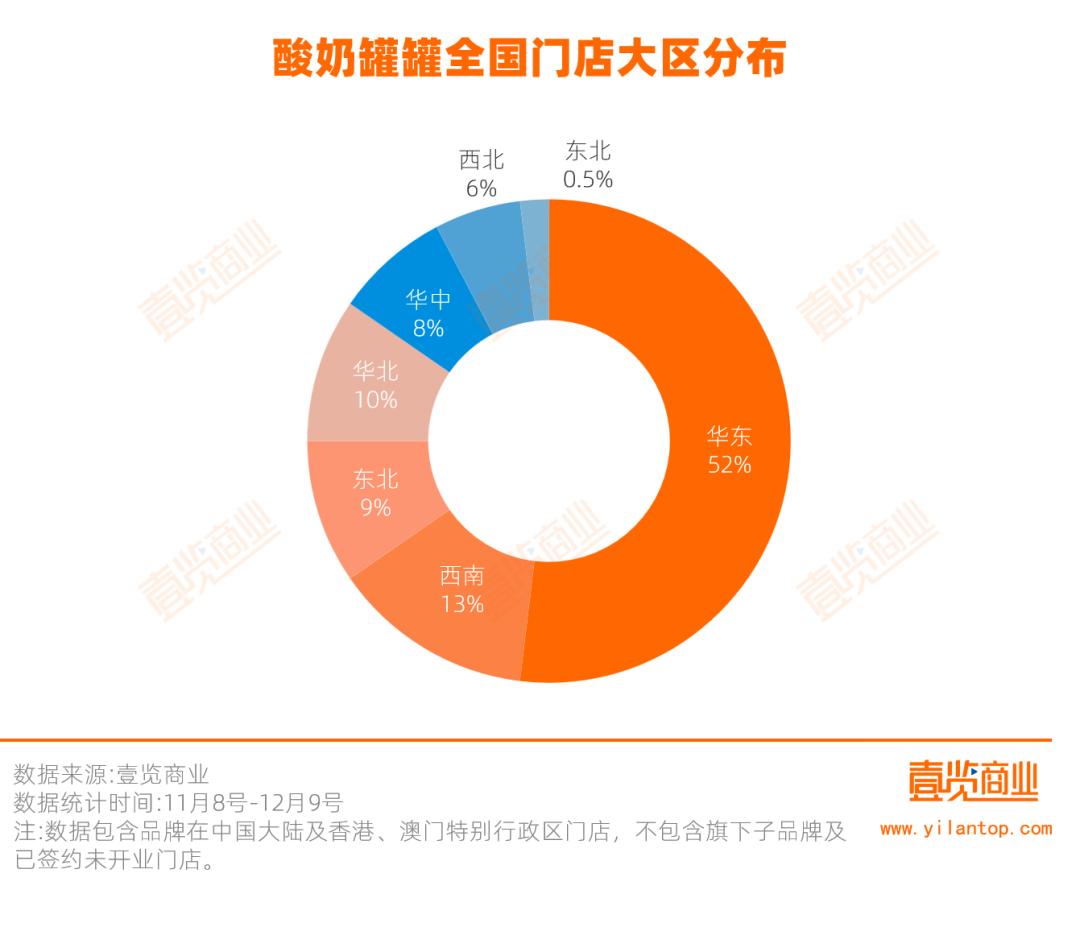
Core Insights - The yogurt brand "酸奶罐罐" has been acquired by "茉酸奶," with its founder and initial team exiting the company, leading to the shelving of its overseas expansion plans [1][2] - The acquisition reflects a broader trend of industry consolidation as both brands face operational challenges and market pressures [9][10] Company Overview - "酸奶罐罐" was established in 2023 as a project incubated by the tea brand "桂桂茶," opening its first store in Shanghai on April 29, 2023, with product prices ranging from 13 to 22 yuan [2] - The brand aimed to achieve a thousand-store scale by 2024 and expand to 3,000 stores within three years, but as of December 2024, it only had 314 stores, falling significantly short of its target [2] Market Performance - As of December 9, 2024, "酸奶罐罐" had 571 operational stores, experiencing a decline in store count for two consecutive months, with 52 closures and only 14 new openings in the last month [2][8] - The brand's store distribution is heavily concentrated in the East China region, with 273 stores (47.81%), while other regions have fewer than 50 stores each [3][5] Operational Challenges - The brand's strategy of rapid expansion has led to operational difficulties, including inefficient logistics and high costs associated with scattered store locations [8] - Over 74% of "酸奶罐罐" stores are located in shopping centers, which poses challenges due to high rental costs and insufficient brand recognition in competitive markets [8][9] Industry Context - The current market for fresh yogurt and new tea drinks is undergoing significant adjustments, with the growth rate of the new tea drink market dropping from 24.9% (2017-2022) to an expected 6.4% in 2024 [9] - Many brands in the fresh yogurt segment are facing similar struggles, with notable declines in store counts and market presence [9][10] Acquisition Implications - The acquisition by "茉酸奶" is seen as a strategic move to quickly increase store count and market presence, while also addressing gaps in its market coverage [10] - However, "茉酸奶" is also facing its own challenges, raising questions about the potential success of the acquisition and the ability to achieve operational synergies [11]
门店数量加速收缩、创始人清仓退出,茉酸奶如何走出“泥潭”?
3 6 Ke· 2025-12-30 03:54
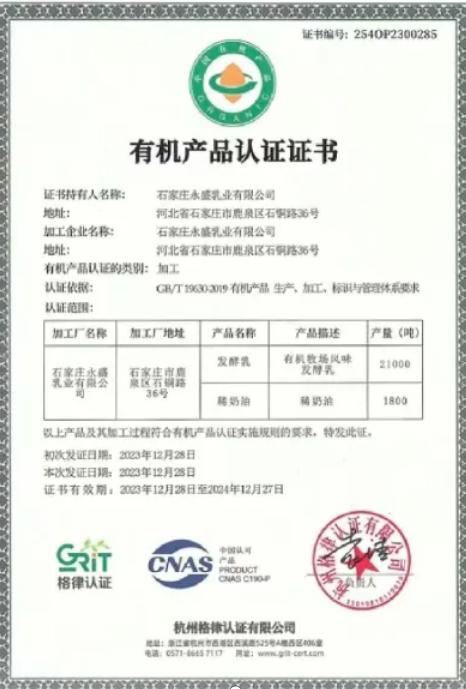
Core Viewpoint - The recent developments surrounding Mo Yogurt, including changes in ownership and a significant reduction in store numbers, raise questions about its operational viability and the strategic intentions of its major shareholder, Junlebao [1][5]. Group 1: Ownership Changes - Mo Yogurt's founder Zhao Bohua has exited the company, while Junlebao has become the second-largest shareholder with approximately 43% ownership after investing about 21,000 yuan [1][7]. - Junlebao previously held a 30% stake in Mo Yogurt and re-entered the company shortly after a brief exit, indicating a strategic interest in the brand [7][8]. Group 2: Store Expansion and Challenges - Mo Yogurt experienced rapid growth, adding 1,368 stores in 2023, bringing the total to 1,682 stores, making it a leader in the fresh yogurt market [2]. - However, the brand faced significant controversies, including the use of non-compliant ingredients and misleading nutritional claims, leading to a decline in store numbers by nearly one-third from its peak [2][4]. Group 3: Strategic Moves and Market Position - In late 2024, Mo Yogurt announced an "organic upgrade" to its products, although the certification process raised questions about the credibility of the certifying body [4]. - Junlebao's involvement in Mo Yogurt is seen as part of its broader strategy to explore new market opportunities and potentially facilitate its own IPO process, which has been ongoing for over 18 months without a submitted prospectus [8][9]. Group 4: Financial Considerations - The valuation of Mo Yogurt has been a topic of discussion, with Junlebao's investment suggesting a low valuation of approximately 500,000 yuan for a company with a thousand-store scale [7]. - Junlebao's financial health is under scrutiny, as its debt ratio was significantly higher than the industry average, raising concerns about its aggressive acquisition strategy [8][9].
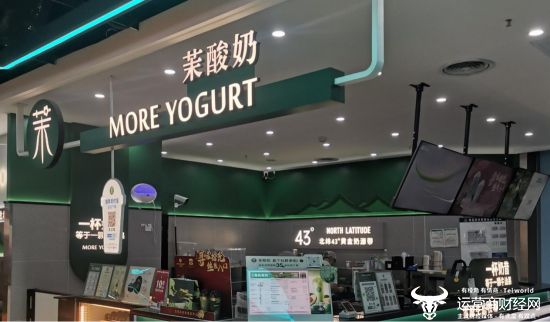
茉酸奶创始人赵伯华全面离场? 卖给君乐宝了?
Xin Lang Cai Jing· 2025-12-21 04:15
Core Viewpoint - The recent changes in the shareholding structure of Mo Yogurt indicate a strategic investment by Junlebao, reflecting its commitment to expanding its presence in the yogurt market and enhancing its supply chain capabilities [3][5][7]. Group 1: Shareholding Changes - Junlebao's stake in Mo Yogurt has increased to 42.86% after the founder Zhao Bohua exited the company, with Junlebao investing 21.43 million yuan [3][4]. - Zhao Bohua, the founder of Mo Yogurt, has resigned from all key positions within the company, including legal representative and general manager [3][4]. - Junlebao previously held a 30% stake in Mo Yogurt but exited in October 2025 before re-entering as a major shareholder [3][5]. Group 2: Company Background and Growth - Mo Yogurt was established in 2014 by Zhao Bohua, who was previously a dentist, and has seen significant growth since opening its franchise model in 2021 [4][5]. - As of June 2023, Mo Yogurt has expanded its store count to 1,218, with projections to exceed 1,600 stores by May 2024 [4][5]. - Co-founder Guo Hao, who joined in 2020, has increased his shareholding to 57.14% and now serves as the legal representative of Mo Yogurt [3][4]. Group 3: Strategic Investments by Junlebao - Junlebao has been actively investing in the dairy sector, including acquiring a 30% stake in the cheese brand Sikeqi and controlling stakes in Yunnan Laisier Dairy and Laisier Intelligent [5][7]. - In January 2023, Junlebao also invested in the startup cheese company Laoshenshijia, holding an 8.79% stake [5][7]. - The recent investment in Mo Yogurt is seen as a strategic move to enhance Junlebao's capabilities in the B2B yogurt supply chain and capitalize on the growing demand for fresh yogurt [7].
君乐宝逆势扩张:增持茉酸奶,在长三角扩产
2 1 Shi Ji Jing Ji Bao Dao· 2025-12-11 03:28
Core Viewpoint - In contrast to competitors like Yili and Mengniu, Junlebao is increasing its investments, indicating confidence in the market despite overall industry contraction [1][4]. Group 1: Company Developments - Junlebao has made a strategic investment in the fresh yogurt brand, Mo Suan Nai, acquiring a 30% stake and establishing a partnership for collaboration in various areas including supply chain and product development [1]. - The founder of Mo Suan Nai, Zhao Bohua, has stepped down from all management roles, with Gu Hao taking over as the legal representative and holding 57.14% of the shares, while Junlebao holds 42.86% through its subsidiary [1]. - Mo Suan Nai is recognized as the largest fresh yogurt chain in China, with over 1,600 stores, primarily located in first and second-tier cities [1]. Group 2: Market Context - The dairy market is experiencing a significant downturn, with a 16.8% year-on-year decline in sales across all channels as reported by NielsenIQ, highlighting the challenges faced by dairy companies [2]. - Junlebao's expansion efforts, including a new liquid milk production base in the Yangtze River Delta with an annual capacity of 450,000 tons, reflect its strategy to capitalize on market opportunities despite the overall contraction [3]. Group 3: IPO Progress - Junlebao has initiated its IPO process, as indicated by the filing with the Hebei Securities Regulatory Bureau, suggesting that the company's expansion and investment strategies may be linked to its plans for going public [4][5].
现制饮品IPO潮:深耕存量市场,破局渗透瓶颈
凯度消费者指数· 2025-06-10 03:32
Core Insights - The article highlights the shift in the ready-to-drink beverage industry from rapid growth to a more refined phase, emphasizing the need for brands to adapt to a market where incremental growth is diminishing and to focus on enhancing customer acquisition strategies [1][11]. Group 1: Market Trends - The penetration rate of ready-to-drink beverages has reached 58% as of February 2025, remaining stable compared to three years ago [1]. - The industry is witnessing a trend where "having a thousand stores" has become a standard benchmark for brands [1]. - The article identifies a "Matthew Effect" where leading brands like Mixue Ice City and Bawang Tea Sister excel in both penetration and repurchase rates, reinforcing their market dominance [1]. Group 2: Consumer Segmentation - Three key consumer segments are identified for ready-to-drink beverages: 1. Heavy consumers contribute 61% of value, with brands needing to understand barriers to purchase, such as brand awareness and price sensitivity [4]. 2. O2O channel consumers can add an incremental 28% to brand reach, highlighting the importance of digital channels for brand exposure [6]. 3. Potential consumers, particularly urban blue-collar workers and small-town middle-aged individuals, show lower penetration but significant consumption potential, with a possible 39% increase in penetration through social sharing [10][15]. Group 3: Strategic Recommendations - For sustained growth, brands must focus on: 1. Diagnosing consumer assets for refined operations [11]. 2. Identifying demand opportunities across various consumption scenarios [11]. 3. Leveraging instant retail to support digital transformation and reshape the value chain [11].