有条件的自动驾驶

Search documents
雷军:关于共建智能汽车时代交通安全文明体系的建议
YOUNG财经 漾财经· 2026-03-04 02:36
Core Viewpoint - The intelligent connected vehicle industry in China is entering a new stage of high-quality development, with advancements in assisted driving, conditional automation, and fully autonomous driving transitioning from testing to large-scale production and application [2] Group 1: Challenges in Traffic Safety and Civilized Systems - The rapid development of automotive intelligence presents new challenges to the traditional traffic safety and civilized systems [2] - The diversity of intelligent technology routes makes it difficult to establish unified standards for regulation [2] - The content of driving training and assessment standards has not been adequately aligned with new vehicle technologies and features, failing to comprehensively cover the operation of intelligent configurations [2] - The multi-party collaborative governance mechanism needs optimization, and the promotion of intelligent driving safety awareness requires enhancement [2] Group 2: Recommendations for Improvement - Accelerate the establishment of automotive intelligent technology standards and optimize motor vehicle driving assessment projects [3] - Improve the multi-party collaborative governance system to jointly build a traffic safety system suitable for the intelligent automotive era [3]


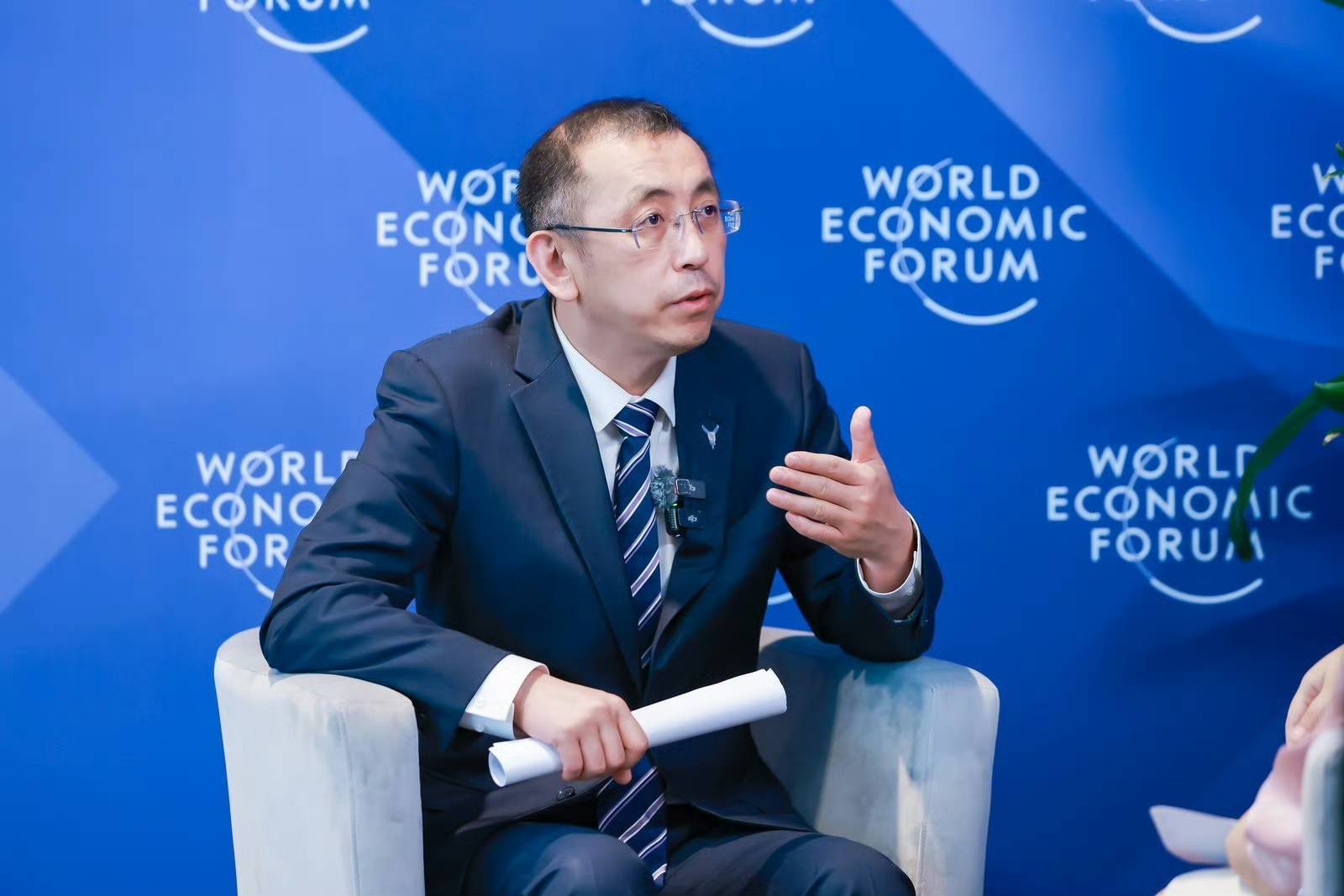
岚图CEO卢放:中国新能源汽车出海需团结协作,未来五年有条件的自动驾驶将落地
Sou Hu Cai Jing· 2025-06-27 03:37
Core Insights - The core viewpoint emphasizes that innovation and user experience are essential for sustainable development in the competitive landscape of the Chinese electric vehicle (EV) industry [2][3][4]. Group 1: Industry Competition and Challenges - The essence of product homogenization in the EV sector is attributed to a lack of market insight and innovation capabilities, reflecting a short-term focus and a lack of long-term vision [3][4]. - To transition from price competition to genuine innovation, companies must deeply understand user needs and market trends, focusing on original and foundational innovations rather than superficial combinations [4][5]. - The key to breaking the current stagnation in the EV market is to maintain user satisfaction and improve internal operational efficiency to support a growing user base [5][6]. Group 2: Global Expansion and Brand Strategy - Chinese EV manufacturers have made significant advancements in low-carbon, intelligent technologies, with a production milestone of over 10 million units achieved last year, indicating readiness for global competition [7][8]. - The future of Chinese EVs is expected to lead global automotive industry transformations, although this will involve navigating uncertainties and challenges [8][9]. - To effectively penetrate the European market, Chinese brands must emphasize product experience and reliability, addressing consumer concerns about new brands through cultural narratives [10][11]. Group 3: Future Outlook and Technological Advancements - The next five years are anticipated to see the emergence of "conditional autonomous driving," which will significantly alter user experiences and vehicle architecture [13][14]. - There is a strong belief that as long as EVs at similar price points can offer superior experiences, consumer demand will surge [15].