本地化适配

Search documents
美国人挤爆沃尔玛抗通胀、中国人却疯狂退山姆卡,真相是什么?
Sou Hu Cai Jing· 2025-12-30 11:38
Core Viewpoint - The article analyzes the contrasting market performance of Walmart in the U.S. and China, highlighting the loyalty of American consumers amidst inflation while Chinese consumers are canceling their Sam's Club memberships, indicating a significant divergence in consumer behavior between the two countries [1]. Group 1: U.S. Market Performance - Despite inflation, American consumers continue to rely on Walmart as a necessary shopping destination, demonstrating strong loyalty [3][6]. - Walmart's competitive edge stems from its founder Sam Walton's management philosophy, which emphasizes efficient supply chain management and cost-cutting strategies [5]. - During the high inflation of the 1970s, Walmart expanded by leveraging its logistics efficiency and low-price strategy, positioning itself as a "safe haven" for consumers facing rising prices [6]. Group 2: Chinese Market Challenges - In China, Sam's Club is experiencing a membership cancellation trend, contrasting sharply with its previous popularity [8]. - From 2019 to early 2024, Walmart China closed 115 hypermarkets, while Sam's Club expanded from 23 to 47 locations but failed to retain some core members [10]. - The cancellation trend is attributed to members' disappointment with the lack of differentiated products, as popular items were replaced with more common brands, leading to feelings of betrayal among paying members [11]. Group 3: Consumer Preferences and Competition - Quality concerns have further exacerbated the situation, as incidents involving food safety have raised doubts among consumers [12]. - Chinese consumers prioritize freshness and smaller quantities, contrasting with the bulk purchasing habits favored by American consumers, which has made Sam's Club's business model less effective in China [14]. - The rise of competitors like Hema X and Metro, which offer products more aligned with local preferences, has diluted Sam's Club's market advantages [16]. Group 4: Strategic Adjustments - Walmart's strategic shift, including the sale of its entire stake in JD.com, has negatively impacted its online delivery services, contributing to consumer dissatisfaction [18]. - To regain traction in the Chinese market, Sam's Club may need to adapt its approach, focusing on quality and differentiation to rebuild trust with consumers [21].


“信仰品牌”倒下,又一段青春记忆被清空了
凤凰网财经· 2025-11-11 14:20
Group 1 - Sony has officially withdrawn from the smartphone market in mainland China, marking the end of its mobile phone era in the region after over a decade [1][4][6] - The decision to exit the market was confirmed by a Sony employee, although the specific reasons remain unclear [1][4] - Sony's smartphone sales have drastically declined, with global sales dropping from approximately 25 million units in 2015 to just over 3 million units by 2019, representing an 88% decrease [4][6] Group 2 - Sony's mobile division was once a strong player, with the Xperia series achieving a peak global sales figure of around 40 million units in the 2014 fiscal year [4][6] - The company's focus on hardware technology became a liability as it failed to adapt to changing consumer preferences in China, leading to a disconnect with local users [4][6][12] - Despite attempts to improve localization, such as partnerships with Meizu, these efforts did not significantly enhance user experience or market performance [6][12] Group 3 - Sony's strategic shift emphasizes its core businesses in gaming, music, and film, which account for over 60% of the company's consolidated sales revenue [9][11] - The company has seen success in other areas, such as audio and imaging, where it holds significant market shares, contrasting sharply with its mobile division's struggles [11][12] - The exit from the smartphone market reflects a broader trend in the Chinese consumer electronics landscape, where understanding user needs is crucial for sustained success [12]

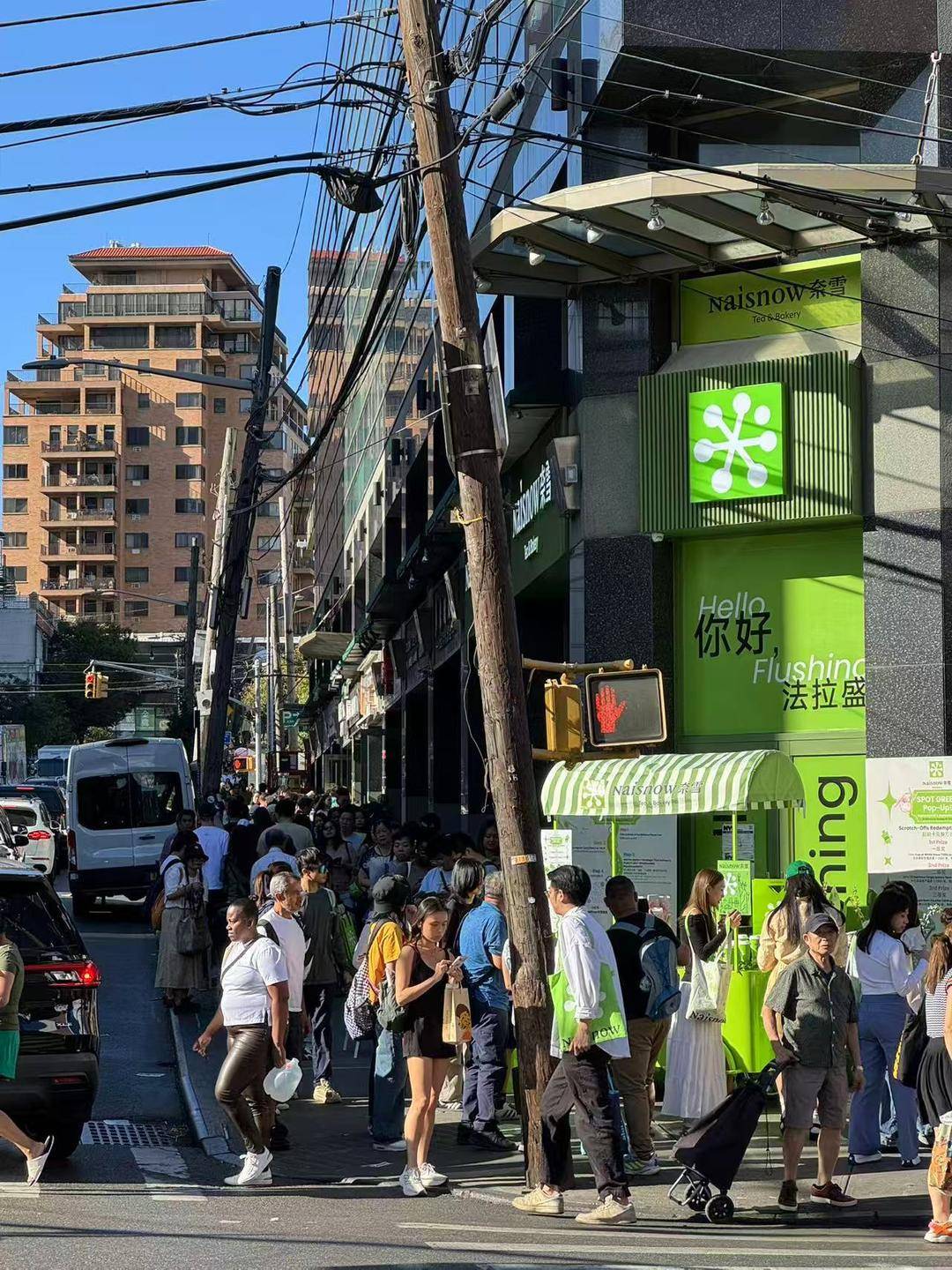
新茶饮品牌登陆纽约“奶茶一条街” 要征服“世界胃”还需破解本地化难题 丨新消费观察
Sou Hu Cai Jing· 2025-09-22 10:22
Core Insights - The new tea beverage industry is leading the way in expanding Chinese flavors globally, with brands like Nayuki Tea testing the market in New York [2] - Nayuki Tea launched a pop-up store in Flushing, New York, which attracted long lines and significant consumer interest even before its official opening [3] - The strategic location of the pop-up store in Flushing, a hub for the Chinese community, highlights the potential for Chinese tea brands in overseas markets [3] Industry Trends - The Chinese new tea beverage industry is transitioning from domestic competition to global expansion, gaining attention from capital markets [3] - A report predicts that the U.S. ready-to-drink tea market will grow at an annual rate of 9.1%, with significant room for expansion, as no single brand currently holds more than 5% market share [3] Competitive Landscape - Despite the market potential, tea beverages face competition from alternatives like coffee, with Starbucks emphasizing its strong partnerships with tea suppliers [4] - Local adaptation is crucial for brands entering foreign markets, as consumer preferences and cultural factors vary significantly across regions [4] - Balancing localization and standardization is a challenge for brands aiming to penetrate local markets while maintaining a cohesive global brand identity [4]