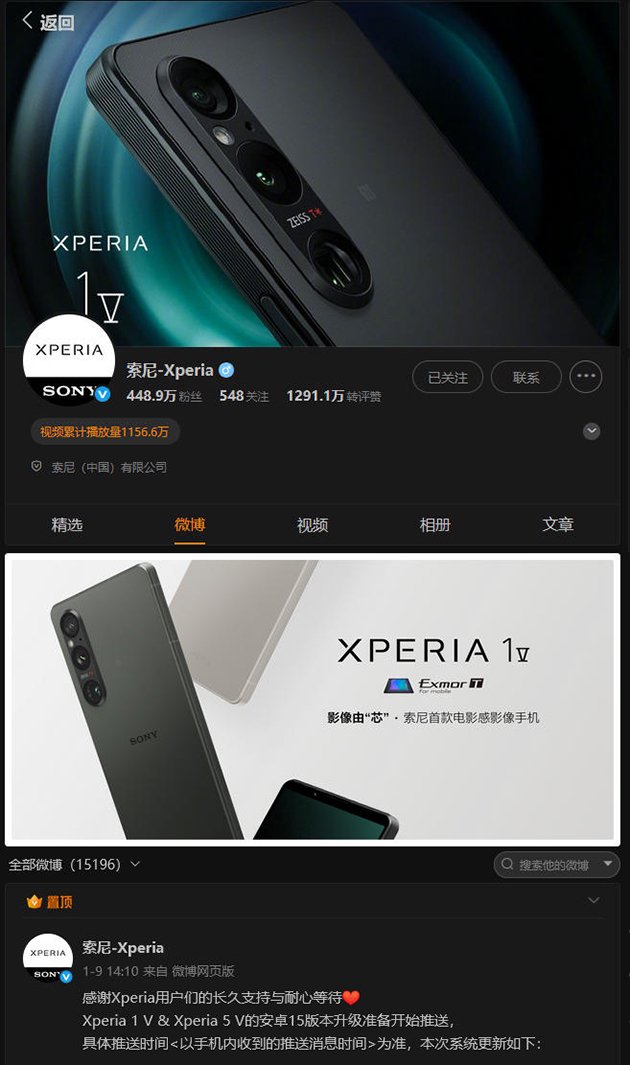
索尼Xperia手机

Search documents
日企在华布局的“进与退”
Jing Ji Guan Cha Wang· 2025-12-12 07:28
Core Insights - Japanese brands are strategically adjusting their presence in the Chinese market, with notable exits from various sectors while simultaneously increasing investments in high-tech industries [1][12]. Group 1: Market Exit and Shrinking Presence - Sony's Xperia mobile business announced its exit from the Chinese market in November 2025, while Sharp has removed several mobile products this year [1][2]. - Mitsubishi Motors officially ceased production and sales in China at the beginning of 2025, closing its joint venture factory in Changsha, Hunan [1][3]. - Japanese automotive brands have seen their market share in China drop to 10.8%, a decline of over 50% from peak levels, while Chinese brands surged to 58.3% [2]. - In the home appliance sector, Japanese brands collectively hold less than 8% of the market, with Haier and Midea dominating at 72% [2]. Group 2: Strategic Investment in High-Tech Industries - Despite the market exits, Japanese investment in China increased by 55.5% in the first nine months of 2025, with a focus on high-tech manufacturing and energy-saving sectors [1][12]. - Japanese companies are investing in digital AI, industrial IoT, and biomedicine, collaborating with Chinese firms to develop innovative solutions [12]. - Panasonic is shifting its focus from low-end consumer appliances to high-end care appliances and commercial equipment, closing several production lines for low-end products [4]. Group 3: Challenges and Market Dynamics - Japanese brands have struggled to adapt to changing consumer preferences in China, leading to a misalignment with local market demands [9][10]. - The perception of Japanese products has shifted, with consumers becoming more price-sensitive and less reliant on the "import halo" [9]. - Japanese companies face high labor costs and lengthy decision-making processes, putting them at a disadvantage in competitive price wars [11]. Group 4: Future Outlook and Strategic Realignment - Japanese firms are not entirely retreating but are instead selectively withdrawing from low-end manufacturing while investing in emerging industries [12][13]. - The focus on high-quality products and advanced manufacturing indicates a strategic realignment to maintain competitiveness in the evolving market landscape [12][13].
日本制造,在华大溃退
Xin Lang Cai Jing· 2025-12-04 05:48
Core Viewpoint - The article discusses the withdrawal of Japanese manufacturing companies from the Chinese market, highlighting the decline of brands like Canon, Yakult, and Mitsubishi, which were once dominant players in their respective industries. This trend reflects a broader shift in the competitive landscape as Chinese companies advance in technology and market presence, leading to a significant reduction in the market share of Japanese brands [1][9][11]. Group 1: Canon's Closure - Canon's production line at its Zhuhai facility ceased operations on November 21, 2025, marking the end of its 20-year presence in China [21][22]. - The factory, once a significant employer in the region, had seen its workforce shrink to just over 1,400 employees by the time of closure [29]. - Canon's market share in the Chinese laser printer market plummeted to 3.9% by the third quarter of 2025, down from 16% in 2010 [11][37]. Group 2: Other Japanese Brands - Yakult announced the closure of its Guangzhou factory, which had been operational for 23 years, and previously shut down its Shanghai factory [23][31]. - Mitsubishi Motors ceased all local production in China, with its vehicle sales dropping from 133,000 units in 2019 to just 33,600 units in 2022 [31][34]. - The article notes that the decline of these brands is not an isolated incident but part of a larger trend of Japanese companies exiting the Chinese market, including Sony and Toshiba [24][33]. Group 3: Market Dynamics - The decline of Japanese brands is attributed to several factors, including the rise of local competitors and a shift in consumer preferences towards more affordable and innovative products [12][38]. - The Chinese market for printers has evolved, with local brands capturing 41.5% of the market share by 2025, while Japanese brands struggle to adapt [11][37]. - Japanese companies are perceived to have failed to respond to changing market conditions, maintaining outdated business models and product offerings [12][41]. Group 4: Global Perspective - Despite their struggles in China, Japanese manufacturers still hold significant global market shares, with Canon commanding 22% of the global printer market as of 2023 [15][42]. - The profitability of Japanese automotive brands remains strong on a global scale, with Toyota's profits significantly outpacing those of Chinese competitors [44]. - The article concludes that while Japanese brands face challenges in China, their global competitiveness remains intact, indicating a need for adaptation rather than a complete retreat from the market [17][47].


索尼手机刚撤,电视又爆危机,日本巨头为何在中国败退?
3 6 Ke· 2025-12-02 04:14
Core Viewpoint - Sony's television and mobile phone businesses are facing significant challenges in the Chinese market, with declining market share and increasing consumer complaints about product quality [1][12][17]. Group 1: Television Business Challenges - Sony's market share in the Chinese television market has dropped to below 5% in 2024, with each of the four major foreign brands averaging around 1.25% [1][8]. - Consumers have reported quality issues with Sony televisions, particularly models like XR-65X90J, which have experienced sound output failures shortly after the warranty period [2][4]. - Complaints about Sony televisions have surged on various platforms, indicating a widespread perception of quality problems [4][7]. Group 2: Consumer Sentiment and Brand Reputation - Users express dissatisfaction with Sony's customer service and warranty policies, feeling that the issues are not isolated incidents but indicative of broader quality concerns [7][12]. - Industry experts suggest that Sony should acknowledge these issues and improve customer service to regain consumer trust [7][12]. Group 3: Market Position and Competition - Sony's television sales have been outpaced by domestic brands like TCL and Hisense, which offer better technology and price-performance ratios [12][17]. - The company's television business is categorized under "other businesses" in financial reports, indicating a decline in visibility and profitability [16][17]. Group 4: Mobile Phone Business Exit - Sony has officially exited the Chinese mobile phone market, with the Xperia brand no longer launching new models since September 2023 [13][15]. - The decline of Sony's mobile phone business mirrors the challenges faced in the television sector, as domestic competitors have gained significant market share [13][15].

“都坏了” 索尼大法,突然在中国失灵了?
Xin Lang Ke Ji· 2025-12-02 02:23
Core Viewpoint - Sony's television and mobile phone businesses are facing significant challenges in the Chinese market, with declining market share and increasing customer complaints regarding product quality and service issues [1][9][10]. Television Business - Sony's market share in the Chinese television market has dropped to below 5% in 2024, with each of the four major foreign brands averaging around 1.25% [1][7]. - Customers have reported quality issues with several popular Sony TV models, including sound output failures shortly after the warranty period, leading to repair costs of several thousand yuan [2][4][6]. - The decline in Sony's television sales is attributed to the rise of domestic brands like Hisense and TCL, which offer better technology, features, and price-performance ratios [9][10]. - Sony's reputation has been further damaged by customer dissatisfaction with after-sales service and the perceived lack of responsiveness to quality complaints [6][9]. Mobile Phone Business - Sony has officially exited the Chinese mobile phone market, with the cancellation of its official WeChat account and the discontinuation of its website [10][12]. - The Xperia brand, once popular in China, has seen a significant decline in market presence due to competition from domestic brands like Huawei and Xiaomi [10][12]. - Sony's mobile phone business had been struggling for years, with no new models launched in China since the Xperia 5V in September 2023 [10][12]. Financial Performance - Sony's financial report for Q2 FY25 indicates that while other segments like music and gaming are performing well, the television and mobile phone divisions are in decline, contributing to a drop in overall profitability [13][14]. - The television and mobile phone businesses are categorized under "other businesses" in the financial report, reflecting their diminishing importance to the company's overall performance [14].

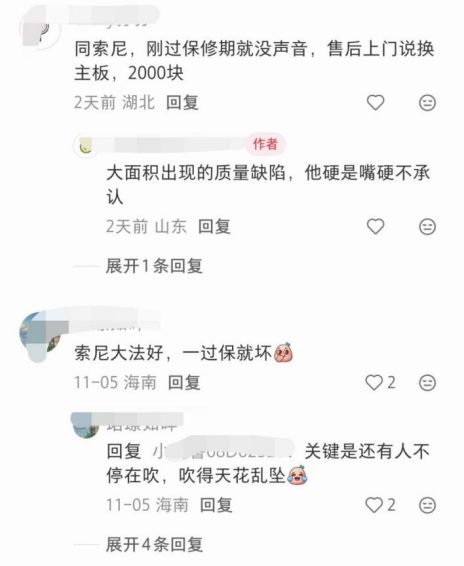
“都坏了” 索尼大法 突然在中国失灵了:万元电视刚过保就坏
Xin Lang Ke Ji· 2025-12-02 00:59
Core Viewpoint - Sony's television market share in China has significantly declined, with foreign brands collectively holding less than 5% of the market in 2024, averaging around 1.25% per brand [1][8]. Group 1: Sales Decline and Quality Issues - The decline in sales is attributed to quality issues, with many users reporting that their high-priced Sony TVs malfunction shortly after the warranty period, leading to repair costs of several thousand yuan [2][4]. - Users have reported widespread issues with specific models, such as the XR-65X90J, which has experienced a failure in sound output, indicating potential design flaws [3][4]. - Complaints about Sony TVs have surged on various platforms, with thousands of users expressing dissatisfaction over similar problems, particularly after the warranty expires [4][6]. Group 2: Customer Service and Brand Perception - Sony's customer service has faced criticism for not adequately addressing the quality concerns raised by users, with many feeling that the issues are not isolated incidents but indicative of broader quality problems [5][6]. - Industry experts suggest that Sony should acknowledge the issues, apologize to customers, and consider extending warranties or offering discounted repairs to restore consumer trust [6][9]. Group 3: Market Position and Competition - Sony's television sales have plummeted, ranking last among the top ten global TV brands, with a significant drop in market share due to the rise of domestic competitors like TCL and Hisense [7][9]. - The company's failure to adapt to local market demands, particularly in smart systems and user experience, has further weakened its position against local brands [9][10]. Group 4: Broader Business Challenges - Beyond televisions, Sony's mobile division has also exited the Chinese market, marking a significant retreat from a once-prominent position in the smartphone sector [10][11]. - The company's overall financial performance shows that while some segments are growing, the television and mobile businesses are struggling, contributing to a decline in overall profitability [11][12].
“都坏了” 索尼大法,突然在中国失灵了? | BUG
Xin Lang Ke Ji· 2025-12-02 00:42
Core Viewpoint - Sony's television and mobile phone businesses are experiencing significant declines in the Chinese market, with quality issues and competition from domestic brands contributing to a loss of consumer trust and market share [2][10][11]. Group 1: Television Business - Sony's market share in the Chinese television market has dropped to below 5% in 2024, with each of the four major foreign brands averaging around 1.25% [2][8]. - Users have reported quality issues with Sony televisions, particularly models like XR-65X90J, which have experienced sound output failures shortly after the warranty period [3][6]. - Complaints about Sony televisions have surged on social media and consumer complaint platforms, indicating widespread dissatisfaction with product quality [4][6]. - Industry experts suggest that Sony needs to acknowledge these quality issues and improve customer service to regain consumer trust [6][10]. Group 2: Mobile Phone Business - Sony's mobile phone brand, Xperia, has officially exited the Chinese market, with the cancellation of its official WeChat account and the cessation of new product launches since September 2023 [11][14]. - The decline of Sony's mobile phone business mirrors that of its television segment, as it has struggled to compete with domestic brands like Huawei and Xiaomi [11][14]. - Sony's previous strong position in the mobile market has diminished significantly, leading to its classification as a niche brand [11][14]. Group 3: Financial Performance - Sony's financial report for Q2 FY2025 indicates that while other business segments like music and gaming are performing well, the television and mobile phone sectors are in decline, contributing to overall revenue drops in the "other businesses" category [15][16]. - The television and mobile phone businesses are not separately reported, but their poor performance is evident in the overall financial results, suggesting a need for strategic reevaluation [16].
索尼手机,这回真凉了
创业邦· 2025-11-22 01:09
Core Viewpoint - Sony Mobile has quietly exited the Chinese market, marking the end of a decade-long struggle due to its inability to adapt to local consumer preferences and competition [6][11][22]. Group 1: Historical Performance - Sony Mobile's peak in China was during the Sony Ericsson era from 2005 to 2010, where it was popular among young consumers with models like K750i and W800 [12][13]. - The introduction of the Xperia brand initially performed well, with Sony ranking among the top five in shipments in 2011, but faced increasing competition from local brands [15][18]. - By 2016-2018, local brands like Huawei and Xiaomi surged ahead, while Sony's high-priced flagship models failed to resonate with the market [18][22]. Group 2: Strategic Failures - The "One Sony" strategy aimed to integrate various business units to enhance the mobile division, but it did not yield the expected success for Xperia [24][26]. - Despite having access to advanced technologies from its other divisions, Xperia failed to capitalize on these advantages in the competitive smartphone landscape [25][29]. Group 3: Market Position and Future Outlook - Sony's market share in China has dwindled to less than 0.1%, reflecting its inability to compete effectively [22][34]. - Globally, Xperia's market share has remained around 0.2%-0.3%, indicating that mobile phones have become more of a technology showcase rather than a profitable business for Sony [35][39]. - The mobile imaging sensor business is thriving, with Sony holding over 50% of the global market share, suggesting that Xperia may serve primarily as a testing ground for new technologies [35][36].
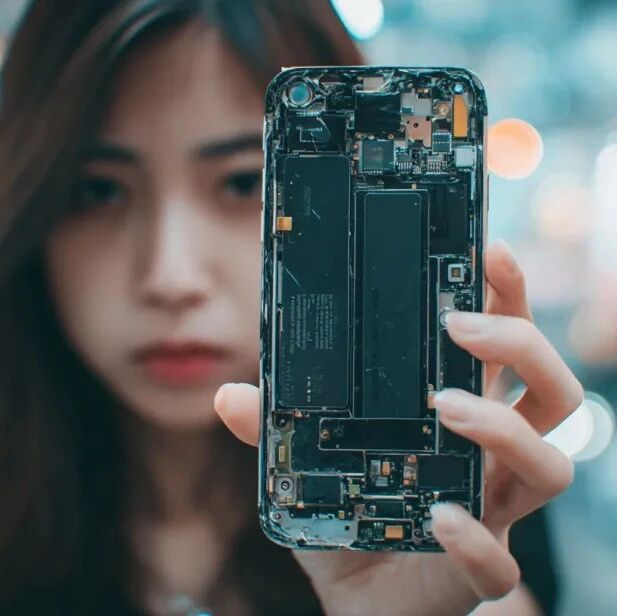
“信仰品牌”倒下,又一段青春记忆被清空了
凤凰网财经· 2025-11-11 14:20
Group 1 - Sony has officially withdrawn from the smartphone market in mainland China, marking the end of its mobile phone era in the region after over a decade [1][4][6] - The decision to exit the market was confirmed by a Sony employee, although the specific reasons remain unclear [1][4] - Sony's smartphone sales have drastically declined, with global sales dropping from approximately 25 million units in 2015 to just over 3 million units by 2019, representing an 88% decrease [4][6] Group 2 - Sony's mobile division was once a strong player, with the Xperia series achieving a peak global sales figure of around 40 million units in the 2014 fiscal year [4][6] - The company's focus on hardware technology became a liability as it failed to adapt to changing consumer preferences in China, leading to a disconnect with local users [4][6][12] - Despite attempts to improve localization, such as partnerships with Meizu, these efforts did not significantly enhance user experience or market performance [6][12] Group 3 - Sony's strategic shift emphasizes its core businesses in gaming, music, and film, which account for over 60% of the company's consolidated sales revenue [9][11] - The company has seen success in other areas, such as audio and imaging, where it holds significant market shares, contrasting sharply with its mobile division's struggles [11][12] - The exit from the smartphone market reflects a broader trend in the Chinese consumer electronics landscape, where understanding user needs is crucial for sustained success [12]

时代终结 索尼Xperia手机已退出中国大陆市场
Xin Lang Cai Jing· 2025-11-10 23:26
Group 1 - Sony's official Xperia WeChat account has been voluntarily canceled and is currently in a frozen state, preventing access to historical articles or related functions [1] - The official Xperia Weibo account has not been updated for six months, and the smartphone category has been removed from Sony China's official website [1] - The last smartphone launched by Sony in mainland China was the Xperia 5 V, which debuted in September 2023 with a starting price of 6499 yuan [6] Group 2 - Sony's website announced that due to business adjustments, the original domain www.sony-xperia.com.cn will be discontinued starting August 5, 2025, with users directed to a new domain for historical model specifications [3] - Sony previously held a significant position in the global smartphone market, capturing 9% market share during 2007 to 2008 [6]