索尼回音壁

Search documents
“信仰品牌”倒下,又一段青春记忆被清空了
商业洞察· 2025-11-23 09:22
Core Viewpoint - Sony has decided to exit the smartphone market in mainland China, marking the end of its mobile phone era in the region after over a decade of presence [3][10]. Group 1: Historical Context - Sony's journey began in 1946 with a startup capital of 190,000 yen, evolving into a technology empire known for innovations like the first transistor radio and the Walkman [5][6]. - The Xperia brand was established in collaboration with Ericsson in 2001, achieving significant market share in the early 2010s [8]. Group 2: Market Performance - From 2015 to 2019, Sony's global smartphone sales plummeted from approximately 25 million units to just over 3 million units, a staggering decline of 88% [10]. - The last model released in China was the Xperia 5 V in September 2023, with subsequent models not being launched in the market [10]. Group 3: Strategic Shift - Sony's exit from the smartphone market is part of a broader strategic realignment, focusing on core businesses such as gaming, music, and film, which account for over 60% of its consolidated sales revenue [14][16]. - The company has been reallocating resources away from underperforming sectors like mobile phones to enhance its competitive edge in more profitable areas [14][16]. Group 4: Market Dynamics - Despite having advanced technology, Sony's smartphones struggled due to high prices and a lack of localization, leading to a minimal market share in China [16][17]. - The competitive landscape in the Chinese smartphone market is fierce, with local brands dominating and Sony's offerings being relegated to a niche status [17]. Group 5: Future Directions - Sony continues to supply key sensors to major smartphone manufacturers and is exploring new applications in sectors like automotive technology, indicating a shift towards B2B opportunities [17].


“信仰品牌”倒下,又一段青春记忆被清空了
首席商业评论· 2025-11-14 04:33
Core Viewpoint - Sony has decided to exit the smartphone market in mainland China, marking the end of its over ten-year presence in the region, as indicated by the shutdown of its official WeChat account and the removal of its mobile category from the website [4][5]. Group 1: Sony's Historical Context - Sony was founded in 1946 with a focus on innovation, creating industry-first products like the transistor radio in 1955 and the Walkman in 1979, which defined the consumer electronics landscape [6][7]. - The brand became synonymous with high-end technology in China after entering the market in the 1990s, with products like a 29-inch television priced at 18,000 yuan, equivalent to three years' salary for an average worker at the time [7]. Group 2: Decline in Smartphone Sales - Sony's smartphone sales have plummeted by 88% from approximately 25 million units in 2015 to just over 3 million units in 2019, indicating a significant decline in market presence [8][13]. - The Xperia series, once a symbol of technological prowess, failed to adapt to local market demands, leading to a lack of competitive pricing and features compared to domestic brands [11][13]. Group 3: Strategic Shift - Sony's exit from the smartphone market is part of a broader strategic shift towards focusing on its core businesses, such as gaming, music, and film, which account for over 60% of its consolidated sales revenue [16][20]. - The company has been reallocating resources away from underperforming sectors like mobile, as evidenced by its recent decisions to withdraw from various markets, including Finland [13][20]. Group 4: Current Market Position - Despite the decline in its smartphone business, Sony continues to perform well in other sectors, such as audio and imaging, where it holds significant market shares [22]. - The company's ongoing supply of core sensors to leading smartphone manufacturers and its expansion into new applications like automotive technology indicate a shift towards B2B opportunities [22].
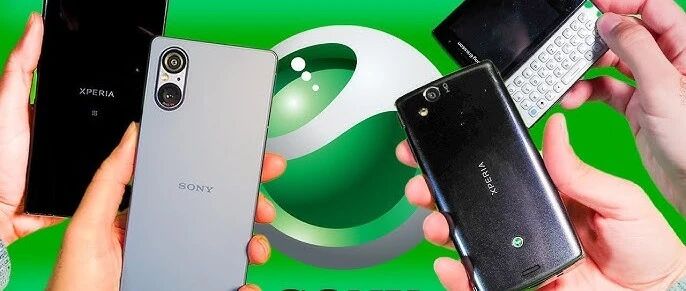
“信仰品牌”倒下,又一段青春记忆被清空了
3 6 Ke· 2025-11-12 09:23
Core Insights - Sony has decided to withdraw its mobile phone business from the Chinese market, marking the end of its presence in a market it once dominated for over a decade [1][10][12] Group 1: Sony's Historical Context - Sony's journey began in 1946, founded by Masaru Ibuka and Akio Morita with an initial capital of 190,000 yen, leading to innovations like the first transistor radio and the Walkman [3] - The brand became synonymous with high-end technology in China after entering the market in the 1990s, with products like a 29-inch Trinitron TV priced at 18,000 yuan, equivalent to three years' salary for an average worker at the time [4][5] Group 2: Decline of Mobile Business - Sony's mobile phone division, originally a joint venture with Ericsson, saw a significant decline in sales, dropping from approximately 25 million units in 2015 to just over 3 million units by 2019, an 88% decrease [6][10] - The last model launched in China was the Xperia 5 V in September 2023, with subsequent models not being released in the market, indicating a strategic retreat [10][12] Group 3: Strategic Shift - Sony's CEO has emphasized that the company's core business now lies in gaming, music, and film, which account for over 60% of its consolidated sales revenue, suggesting a shift in focus away from mobile phones [12][15] - Despite the decline in mobile, Sony has maintained a strong position in other sectors, such as audio and imaging, where it leads the market with significant shares [15][16] Group 4: Market Dynamics - The Chinese smartphone market is highly competitive, with Sony's Xperia brand struggling against local giants like Huawei and Xiaomi, leading to its classification as "Others" with negligible market share [16] - Sony's high pricing strategy and lack of localized marketing have contributed to its failure to resonate with Chinese consumers, who favor more affordable and feature-rich alternatives [10][16]
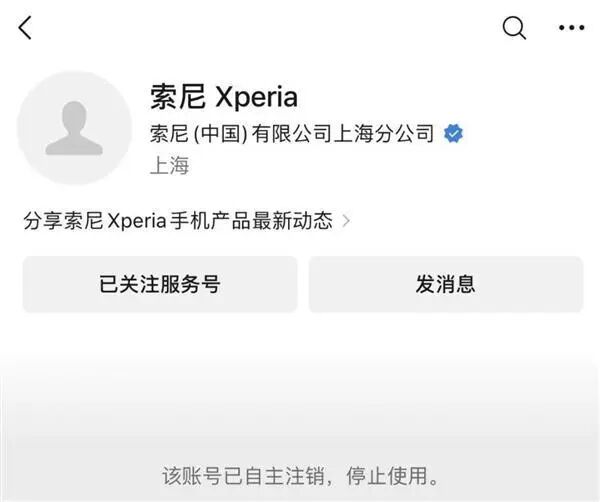
“信仰品牌”倒下,又一段青春记忆被清空了
创业邦· 2025-11-12 03:08
Core Viewpoint - Sony has decided to exit the smartphone market in mainland China, marking the end of its over ten-year presence in the region, as indicated by the recent deactivation of its official WeChat account and the removal of its mobile category from the website [5][8][21]. Group 1: Sony's Historical Context and Market Presence - Sony's journey began in 1946, with a focus on innovation, leading to the creation of groundbreaking products like the Walkman and PlayStation, which defined entire industries [10][12]. - The Xperia brand was launched in 2001 through a partnership with Ericsson, achieving significant market share in the early 2010s, but later faced a decline [15][18]. - The peak of Xperia sales occurred in the 2014 fiscal year, with approximately 40 million units sold globally, but this success was not sustained [15][18]. Group 2: Reasons for Market Exit - Sony's smartphone sales in China plummeted by 88% from approximately 25 million units in 2015 to just over 3 million units by 2019, indicating a severe decline in market relevance [13][18]. - The company's refusal to adapt to local consumer preferences, such as the demand for fast charging and AI features, contributed to its poor performance in the Chinese market [16][18]. - Despite attempts to localize its offerings, such as a partnership with Meizu, Sony's efforts were insufficient to bridge the gap in user experience and functionality [18][21]. Group 3: Strategic Shift and Future Focus - Sony's CEO has emphasized that the core pillars of the company are now in gaming, music, and film, which account for over 60% of its consolidated revenue, leading to a strategic shift away from less competitive sectors like smartphones [21][24]. - The company continues to supply key sensors to leading smartphone manufacturers and is exploring new applications in the automotive sector, indicating a pivot towards B2B opportunities [24][25]. - The exit from the smartphone market reflects the harsh realities of the mature Chinese consumer electronics market, where understanding user needs is crucial for sustained success [25].
“信仰品牌”倒下,又一段青春记忆被清空了
凤凰网财经· 2025-11-11 14:20
Group 1 - Sony has officially withdrawn from the smartphone market in mainland China, marking the end of its mobile phone era in the region after over a decade [1][4][6] - The decision to exit the market was confirmed by a Sony employee, although the specific reasons remain unclear [1][4] - Sony's smartphone sales have drastically declined, with global sales dropping from approximately 25 million units in 2015 to just over 3 million units by 2019, representing an 88% decrease [4][6] Group 2 - Sony's mobile division was once a strong player, with the Xperia series achieving a peak global sales figure of around 40 million units in the 2014 fiscal year [4][6] - The company's focus on hardware technology became a liability as it failed to adapt to changing consumer preferences in China, leading to a disconnect with local users [4][6][12] - Despite attempts to improve localization, such as partnerships with Meizu, these efforts did not significantly enhance user experience or market performance [6][12] Group 3 - Sony's strategic shift emphasizes its core businesses in gaming, music, and film, which account for over 60% of the company's consolidated sales revenue [9][11] - The company has seen success in other areas, such as audio and imaging, where it holds significant market shares, contrasting sharply with its mobile division's struggles [11][12] - The exit from the smartphone market reflects a broader trend in the Chinese consumer electronics landscape, where understanding user needs is crucial for sustained success [12]