
检察技术

Search documents
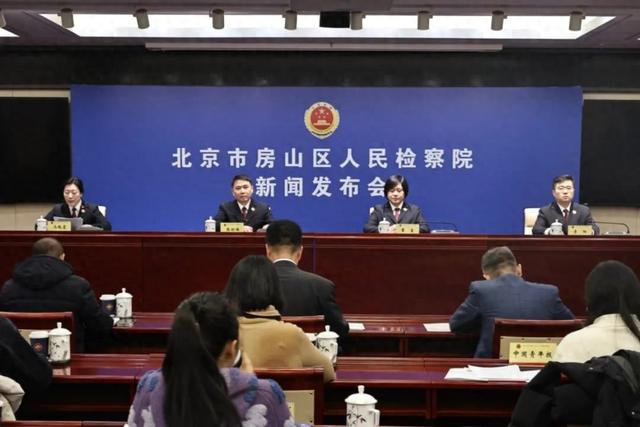
5年办案430件,房山检察院以检察技术提升法律监督质效
Xin Lang Cai Jing· 2025-12-23 11:52
Core Viewpoint - The Beijing Fangshan District People's Procuratorate has released a white paper on technical support for prosecutorial case handling from 2021 to 2025, highlighting the use of advanced technologies in various legal cases [1][5]. Group 1: Technical Support in Prosecutorial Cases - Since 2021, the Fangshan Procuratorate has handled 430 cases involving various types of technical support, including forensic examinations and technical evidence reviews across criminal, civil, and public interest litigation fields [1][3]. - The technical support includes audio-visual evidence examination, electronic data verification, document examination, rapid testing, forensic science, big data technology, and satellite remote sensing technology [3][4]. Group 2: Case Examples and Innovations - In a rape case, the use of audio-visual evidence examination helped establish the identity of the suspect by enhancing video quality and conducting multi-dimensional comparisons of physical features [3][4]. - In an environmental pollution case, a combination of satellite remote sensing technology and big data modeling was used to track vehicles involved in illegal dumping, effectively quantifying the amount and composition of waste [4][5]. Group 3: Future Directions and Goals - The Fangshan Procuratorate aims to enhance legal supervision quality through a "four-in-one" case handling model that integrates intelligent equipment, specialized systems, and multi-disciplinary talent development [4][5].

烧烤店羊肉串掺假、房企违法收集人脸信息……检察技术如何助力揭开真相?
Xin Hua She· 2025-10-14 09:08
Group 1 - The Supreme People's Procuratorate released six typical cases of public interest litigation supported by prosecutorial technology, highlighting the role of technology in uncovering difficult truths [1] - In a case from Beijing, a public prosecutor's office discovered that certain barbecue restaurants on food delivery platforms falsely claimed their products were "100% pure lamb" and "fake one pays a hundred," leading to a special supervision action against meat adulteration [1] - The investigation utilized a big data legal supervision model and animal DNA technology to identify hidden adulterants in food samples, resulting in the detection of various animal-derived components such as pork, chicken, and duck [1] Group 2 - In another case, two real estate companies in Shanghai illegally collected and used consumers' facial recognition data, uploading it to the cloud for commercial purposes [2] - Prosecutorial authorities employed reverse tracking and remote investigation techniques to obtain cloud data, urging administrative bodies to enhance personal information protection in the real estate sector [2] - The cases demonstrate the evidentiary support role of prosecutorial technology in public interest litigation and indicate a future emphasis on strengthening technological applications in handling such cases [2]
最高检发布6件检察技术支持公益诉讼检察典型案例
Yang Shi Wang· 2025-10-14 02:23
Core Viewpoint - The Supreme People's Procuratorate has released six typical cases of public interest litigation supported by technical means, emphasizing the integration of advanced technologies in legal processes to enhance environmental protection and public safety [1][2]. Group 1: Typical Cases Overview - Six typical cases were selected from 49 submissions by 27 provincial procuratorates, focusing on various issues such as ecological protection, illegal land use, personal information protection, food safety, and electronic cigarette regulation [1][2]. - The cases include: 1. Jiangxi Province's ecological environment protection case 2. Sichuan Province's illegal land use case 3. Shanghai's illegal use of facial recognition by real estate companies 4. Beijing's food safety case involving adulterated lamb skewers 5. Zhejiang Province's counterfeit bee glue products case 6. Jilin Province's electronic cigarette regulation case [1][2]. Group 2: Technical Support and Methodologies - The cases highlight the use of advanced technologies such as satellite remote sensing, drone surveillance, and rapid testing methods to gather evidence and support legal actions [2][8]. - For instance, the Jiangxi case utilized satellite imagery to track historical changes in the environment, while the Beijing case employed DNA testing to identify adulterated food products [2][8][9]. Group 3: Impact and Significance - The typical cases demonstrate the effectiveness of integrating technology into public interest litigation, providing a replicable model for future cases [2][12]. - The use of technology not only aids in evidence collection but also enhances the efficiency and accuracy of legal proceedings, thereby promoting better governance and public safety [2][12][18].
