榫卯结构

Search documents
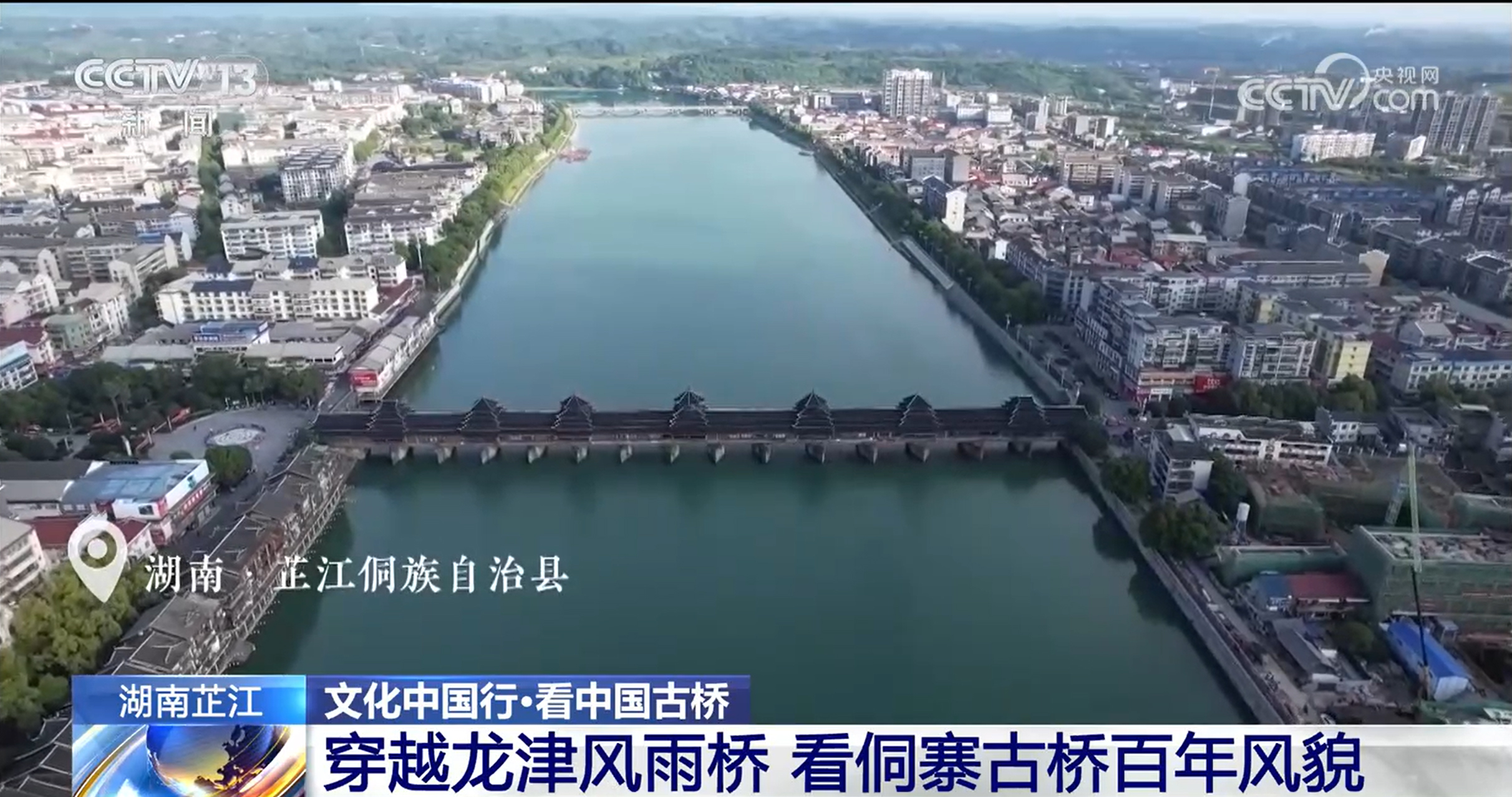
我国学者在蛋白质相互作用中发现“榫卯”结构
Huan Qiu Wang Zi Xun· 2026-01-13 01:35
Core Insights - The research team discovered a previously unrecognized molecular connection method in protein aggregates, resembling the traditional Chinese architectural "mortise and tenon" structure, which is crucial for understanding neurodegenerative diseases like Alzheimer's and Parkinson's [1] Group 1: Research Methodology - The team utilized scanning tunneling microscopy to capture the real-time dynamic changes of proteins at the atomic scale, allowing for the identification of atomic positioning signals through weak electrical current variations [3] - A novel quantitative analysis method was developed to transform seemingly chaotic molecular images into comparable and quantifiable data, enabling the assessment of structural order within different regions of the aggregates [3] Group 2: Key Findings - The research identified that a small number of peptide chains extend from the β-sheet structure of the aggregates, forming critical bridging structures that tightly connect different layers, akin to a "mortise and tenon" joint [3] - These rare structural connections play a significant role in the stability of protein aggregates, and any mismatch in these connections could impact the formation and pathological functions of the aggregates [3][4] Group 3: Implications for Disease Research - The established quantitative analysis methods provide new perspectives for understanding how protein aggregates balance structural stability and diversity, opening new avenues for studying the mechanisms of related diseases [4]

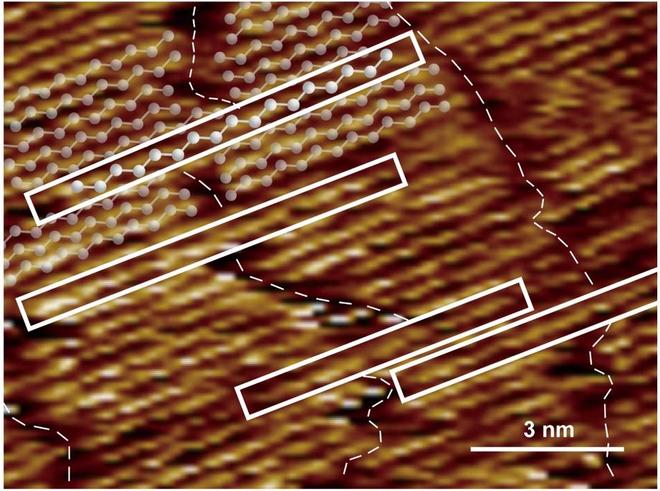
网络大V走访龙岗眼镜:科技赋能开启“视”界革新新时代
Nan Fang Du Shi Bao· 2025-07-24 07:43
Core Insights - The article discusses the transformation of the eyewear industry in Longgang, Shenzhen, driven by the integration of traditional craftsmanship, AI, and 3D printing technologies [3][21][28] Group 1: Industry Overview - Longgang's eyewear industry generates an annual output value exceeding 100 billion yuan, with over 1,500 companies [5] - The region is characterized by a "technology + culture + ecology" innovation model, focusing on personalized production and smart retail [5][21] - The local government supports the industry with targeted policies and funding for digital transformation and international expansion [21][23][25] Group 2: Company Highlights - **Yashi Group**: Utilizes AI algorithms to create personalized eyewear, transforming glasses from corrective tools to smart devices, achieving 500 million yuan in sales last year [7][11] - **Price Technology**: Implements a flexible supply chain to meet personalized demands, capable of producing customized glasses within 48 hours [12][14] - **LIPO Li Bai Eyewear**: Focuses on children's eyewear, integrating traditional craftsmanship with modern technology to ensure safety and comfort [18][20] Group 3: Technological Innovations - Yashi Group's STEPPER Opti AI lens uses AR technology and AI data analysis to customize lenses based on individual eye movements [9][23] - Price Technology's production line employs human-machine collaboration to enhance efficiency and flexibility in manufacturing [12][14] - Li Bai Eyewear's designs incorporate traditional joinery techniques to create durable and adjustable frames for children [18][20] Group 4: Market Trends - The eyewear industry is shifting from standardization to personalization, with companies focusing on unique consumer needs [21][25] - The integration of AI and flexible manufacturing is enabling companies to respond quickly to market demands, reducing product development cycles by 50% [21][23] - The emergence of specialized brands like Li Bai Eyewear and Price Technology indicates a move away from price competition towards niche market focus [27][28]
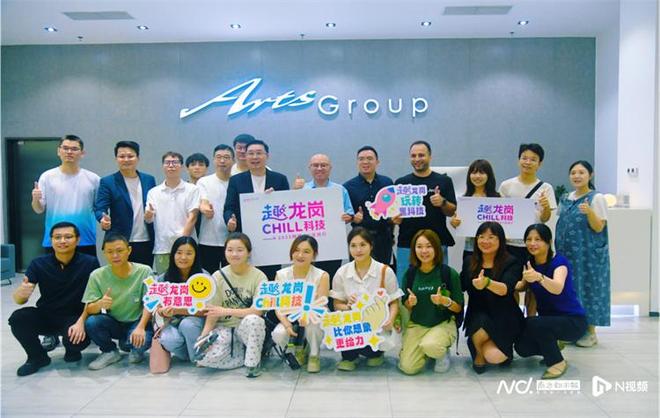
文化中国行丨434年风雨桥!木质榫卯造就侗族奇观
Yang Shi Wang· 2025-07-13 17:38
Core Viewpoint - The Longjin Wind and Rain Bridge in Hunan's Zhijiang County is a significant cultural and architectural landmark, showcasing traditional Dong ethnic craftsmanship and serving as a vital transportation route for the local community and tourists [1][4][19]. Group 1: Historical Significance - The Longjin Wind and Rain Bridge was built in 1591 and was the largest of its kind in China at the time of its completion [3][8]. - The bridge has withstood the test of time, enduring floods and maintaining its structural integrity for over 400 years [6][13]. Group 2: Architectural Features - The bridge spans 246.7 meters in length and 12.2 meters in width, featuring a unique design with 16 boat-shaped stone piers that effectively disperse water flow and reduce pressure on the structure [6][12]. - It employs traditional wooden mortise and tenon construction, which does not use nails or iron, demonstrating the ingenuity of Dong craftsmen [8][10]. Group 3: Cultural and Economic Impact - The bridge has transformed into a cultural commercial street, attracting tourists and locals alike with various shops and traditional food stalls, including local delicacies like pickled radishes and Zhijiang duck [14][16][19]. - The presence of non-heritage snacks and local specialties has made the bridge a culinary destination, enhancing its role in cultural transmission and community identity [14][19].