模因交易

Search documents
白银陷“模因交易”争议:前摩根大通策略师预警价格或腰斩
Huan Qiu Wang· 2026-01-27 02:28
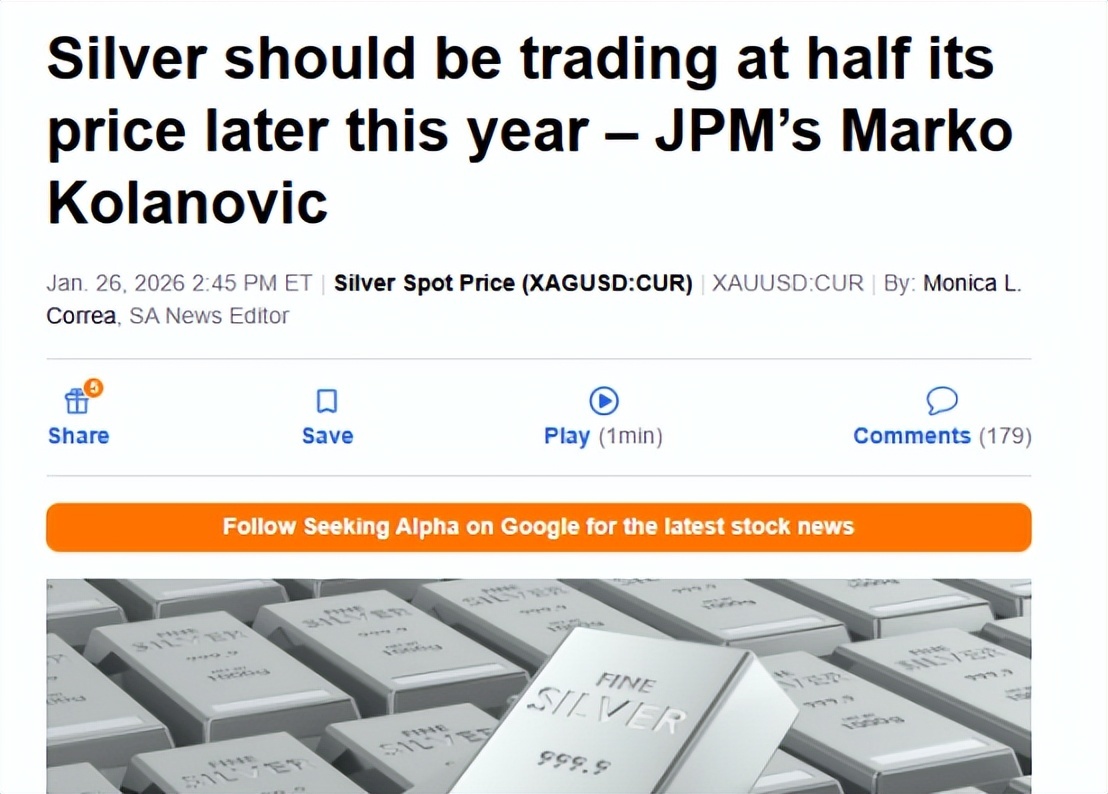
Group 1 - The recent surge in silver prices is attributed to "meme trading" rather than fundamental factors, as noted by Marko Kolanovic from JPMorgan [3] - Silver prices have increased approximately 54% this year and 264% over the past year, but Kolanovic predicts a potential decline of about 50% by late 2026 [3] - Trading volumes for popular silver ETFs and related options have reached historical highs, indicating speculative trading behavior [3] Group 2 - Mike Antonelli from Baird compares silver to GameStop, questioning the sustainability of its price increase despite unchanged industrial demand [4] - Warren Patterson from ING highlights that silver's dual role as both an industrial and investment metal amplifies price volatility, while macroeconomic factors remain supportive [4] - Long-term bullish sentiment on silver is driven by increasing industrial demand in sectors like photovoltaics and electric vehicles, alongside supply constraints [4] Group 3 - Geopolitical uncertainties, including potential U.S. government shutdowns, have increased demand for traditional safe-haven assets like silver [5] - The silver market is at a crossroads, facing speculative trading pressures and fundamental support, which will determine its price trajectory [5]

逢跌必买,散户已成美股“脊梁”?
Feng Huang Wang· 2025-08-12 06:05
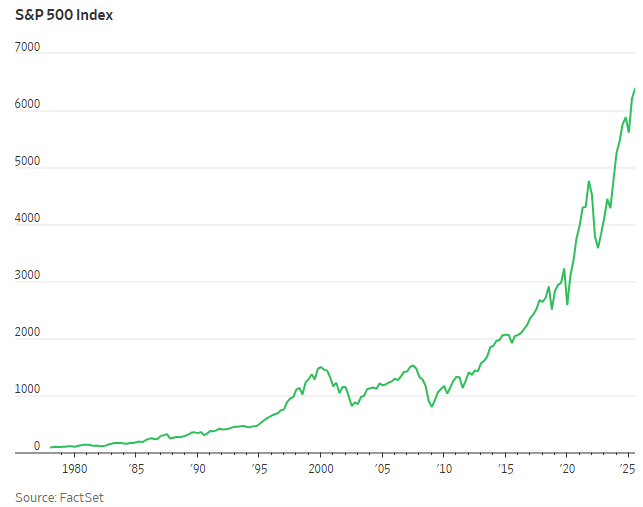
Core Viewpoint - The resilience of retail investors in the U.S. stock market has been notable, as they continue to buy during market downturns, contributing to the recovery of indices like the S&P 500, and reviving meme trading trends [1][3][9] Group 1: Retail Investor Behavior - Retail investors have shown a willingness to buy the dip during market declines, such as the significant drop in the S&P 500 earlier this year, which they helped rebound to record levels [1][4] - The current generation of retail investors has largely experienced a favorable market environment, growing up in a low-interest-rate era, which influences their risk tolerance and investment behavior [3][5] - Data from EPFR indicates that during the 2022 market downturn, retail investors still contributed a net inflow of $27 billion into U.S. stock mutual funds and ETFs [4] Group 2: Market Dynamics and Sentiment - The return of meme trading and the high valuations of large-cap tech stocks have raised concerns among Wall Street professionals about a potential market bubble [3][8] - Retail investors' confidence is reflected in the increasing proportion of stocks in household financial assets, which reached 36% in Q1 2023, the highest since the 1950s [6][7] - A survey by Charles Schwab revealed that approximately 80% of respondents plan to buy stocks if market volatility occurs in the coming months, indicating a strong bullish sentiment among retail investors [8]