母婴渠道整合

Search documents
年终盘点|2025年的奶粉行业:平静之下,暗战已起
Di Yi Cai Jing· 2025-12-31 02:57
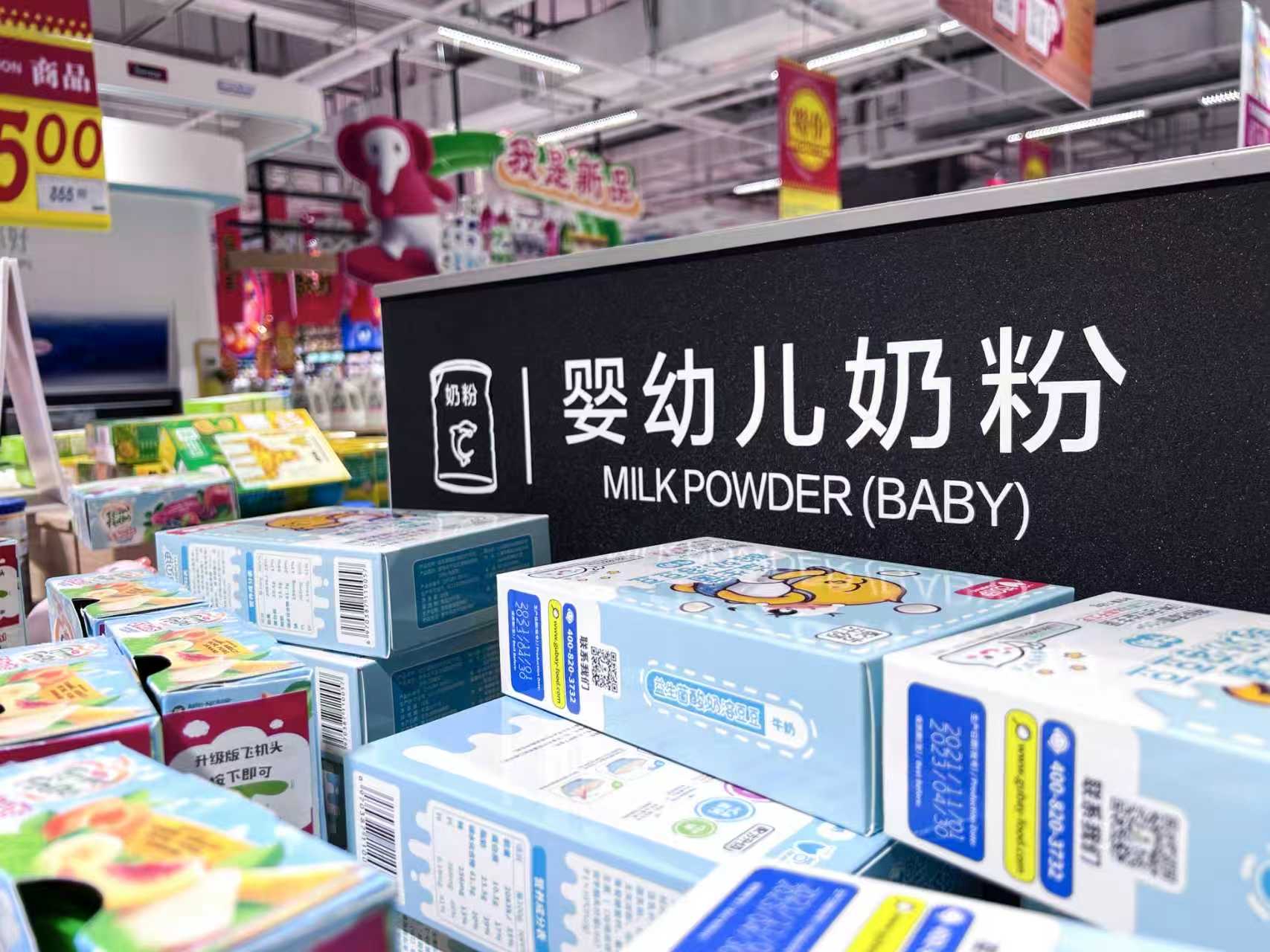
Core Insights - The infant formula market is experiencing a temporary calm after a recovery driven by an increase in birth rates, but there are concerns about declining birth rates and a potential new round of competition in 2025 [1][6] Group 1: Market Recovery and Trends - The market has shown signs of recovery with a 5% decrease in sales compared to pre-pandemic levels, attributed to a rise in birth rates during the Year of the Dragon [3][4] - Major brands are adopting stricter channel control measures, such as using internal codes and electronic fences to manage inventory and prevent price wars [4][5] - Sales of infant formula have seen a 24% increase year-on-year for major companies, with specific segments like infant formula growing by 33.3% [5] Group 2: Future Competition and Adjustments - Concerns about the sustainability of the market recovery are rising, with sales figures showing a decline in the latter half of the year [6][7] - Over 40 brands have updated their formulas this year, focusing on functional enhancements to prepare for intensified competition in 2026 [7] - The industry is witnessing a rapid consolidation of maternal and infant channels, with major chains expanding nationally and regional alliances absorbing smaller chains to increase market concentration [8] Group 3: Channel Dynamics - The consolidation of channels is aimed at improving supply chain efficiency and gaining leverage in negotiations with brands [8] - There is a noticeable trend of larger chains acquiring smaller ones, leading to a "big fish eats small fish" scenario in the market [8] - The competition between brands and channel alliances is intensifying, as both seek to maximize profits while managing the trade-offs of customized products [8]

【中童洞见】不止一个母婴品牌跑去做线上,却铩羽而归了
Sou Hu Cai Jing· 2025-10-18 14:55
Core Viewpoint - The article discusses the challenges faced by maternal and infant brands transitioning to e-commerce, highlighting their struggles with profitability and the impact on traditional retail channels [1][5][6]. Group 1: E-commerce Challenges - Many maternal and infant brands that have moved online are experiencing significant difficulties, often resulting in losses despite increased sales [2][3]. - The reliance on heavy spending for traffic acquisition leads to a situation where brands are essentially working for e-commerce platforms without achieving profitability [3][5]. - Brands that initially sought to expand their sales through e-commerce are now facing declining total sales, creating a dilemma between continuing online efforts or reverting to traditional retail channels [6][7]. Group 2: Impact on Traditional Retail - The decline in birth rates has led to a significant number of maternal and infant stores closing, despite some remaining successful [6][7]. - The overall contraction of the maternal and infant retail sector is evident, with many traditional stores unable to compete effectively against e-commerce [7][8]. - The survival of the maternal and infant retail sector is crucial for brand diversity, as a monopolized e-commerce environment could leave brands vulnerable to platform dominance [7][8]. Group 3: Future Prospects and Solutions - The potential for channel integration and modernization of maternal and infant stores is seen as a way to revitalize the sector and provide brands with more leverage against e-commerce platforms [8][10]. - Successful modernization of the maternal and infant retail channel requires support from brand stakeholders to attract younger consumers and ensure the sector's sustainability [10].