毒品问题

Search documents
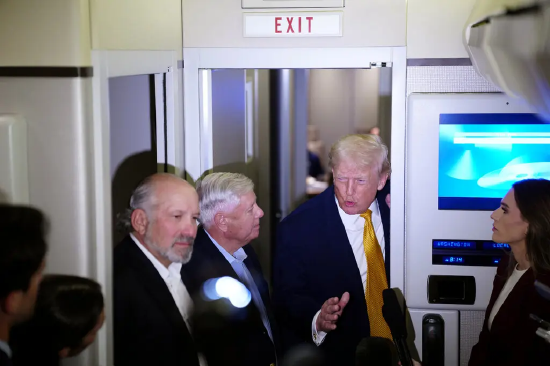
特朗普称美国或对更多国家采取行动
Xin Lang Cai Jing· 2026-01-05 08:40
Core Viewpoint - President Trump threatens Colombia and its president, stating that Cuba is "on the verge of collapse," while reiterating his desire to acquire Greenland [1][4][5]. Group 1: Threats to Colombia - Trump suggests that Colombia, under President Gustavo Petro, is controlled by a "madman obsessed with producing cocaine and selling it to the U.S." [3][9]. - He expresses support for potential military action against Colombia, stating, "I think that's a good idea" when asked about targeting Colombia [3][8]. - The ongoing tensions between Trump and Petro have escalated due to U.S. pressure on Colombia, a key hub for drug trafficking in the region [9]. Group 2: Situation in Cuba - Trump believes that military intervention in Cuba is unnecessary as the country is "on the verge of collapse," lacking any sources of income [5][10]. - He notes that Cuba's previous income relied heavily on Venezuela's oil, which is no longer sustainable [10]. - U.S. Secretary of State Marco Rubio indicates that Cuba may face military action, labeling the Cuban government as a significant problem [10]. Group 3: Broader Regional Concerns - Trump highlights the influx of drugs from Mexico into the U.S., emphasizing the need for action against powerful drug cartels [4][9]. - He warns of potential severe actions against Iran if it continues to violently suppress its citizens [4][9]. - Trump reiterates the importance of Greenland for U.S. national security, citing the presence of Russian and Chinese vessels in the area [5][10].

哥伦比亚总统回应美国威胁:侵犯主权即宣战
Xin Hua She· 2025-12-03 00:33
Core Viewpoint - The relationship between Colombia and the United States is deteriorating, particularly following U.S. President Trump's comments threatening Colombia over drug trafficking issues, which Colombian President Petro has strongly condemned [1]. Group 1: U.S.-Colombia Relations - President Trump stated that Colombia could "suffer attacks" due to its drug problems, specifically mentioning cocaine production and trafficking to the U.S. [1] - President Petro warned against threats to Colombia's sovereignty, asserting that any infringement would be considered a declaration of war [1]. - The U.S. has recently conducted operations against several vessels in the Caribbean and Eastern Pacific under the pretext of combating drug trafficking, which includes Colombian ships [1]. Group 2: Drug Trafficking and Law Enforcement - President Petro highlighted that the Colombian government has dismantled 18,400 drug production sites and intercepts thousands of tons of cocaine destined for the U.S. [1]. - Petro invited Trump to witness the daily destruction of nine drug production sites in Colombia [1]. - The Colombian government is taking legal action against Trump for defamatory remarks made about Petro, who was labeled a "drug lord" by Trump [1].
美国年死10.96万吸毒者,还对华加征芬太尼关税,中方表态太意外
Sou Hu Cai Jing· 2025-11-10 10:12
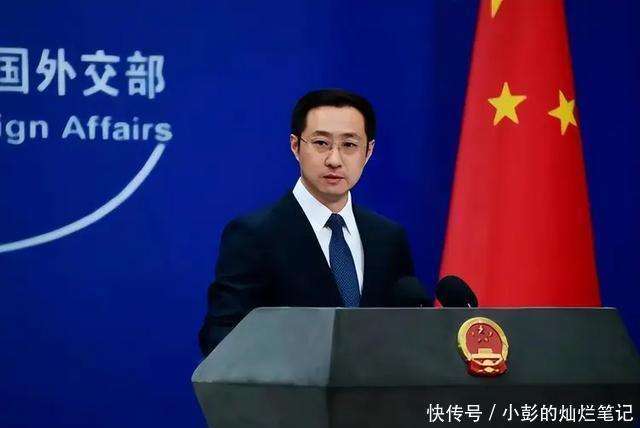
Group 1 - The article highlights the severe drug crisis in the United States, with over 109,600 deaths due to drug overdoses in 2023, equating to approximately 300 deaths per day, similar to a small plane crash [9][10] - It discusses the U.S. government's military actions in the Caribbean aimed at drug enforcement, which are criticized as disproportionate and ineffective, using advanced military equipment against small drug trafficking boats [7][9] - The article points out the systemic issues within the U.S. healthcare system that contribute to the opioid crisis, including the over-prescription of opioids by doctors with ties to pharmaceutical companies [12][13] Group 2 - The U.S. government has shifted blame for its drug problems onto foreign nations, particularly China, by imposing tariffs on fentanyl-related products, despite ongoing domestic issues [17][22] - China's response to the U.S. actions has been unexpectedly cooperative, emphasizing the importance of international collaboration in combating drug issues rather than unilateral measures [19][21] - The article concludes that the root cause of the fentanyl crisis lies in the U.S.'s own drug abuse culture and regulatory failures, rather than in Chinese exports, urging a rational and cooperative approach to address the problem [22]
印度,才是真的毒品王国?
Hu Xiu· 2025-08-07 03:29
Core Insights - The article highlights the severe drug abuse crisis in India, with staggering statistics indicating that 100 million people are addicted to drugs, 200 million are misusing substances, and over 30 million are addicted to cannabis [1] - It also points out the alarming number of children affected, with millions suffering from drug addiction, and the annual death toll exceeding 10,000 due to snake venom consumption [1] - The financial aspect of the drug trade is underscored, revealing that the top drug trafficker earns $12 billion annually and pays police approximately 430,000 RMB monthly for protection [1]
《扫毒风暴》编剧:禁毒题材为何值得一写再写
Ren Min Ri Bao· 2025-07-31 06:08
Core Viewpoint - The article emphasizes the importance of drug-related themes in film and television, highlighting the ongoing societal issues surrounding drug abuse and the dedication of law enforcement in combating this problem [4][7]. Group 1: Historical Context and Development - The article discusses the evolution of drug-related narratives in Chinese media, starting from "The Mekong River Case" to "Ice Breaking Action" and now "Drug Storm," showcasing the persistent relevance of these themes [4][6]. - The narrative of "Drug Storm" is set against the backdrop of the late 1990s to early 2000s, a period when drug issues became increasingly complex in China, with the emergence of synthetic drugs [6][7]. Group 2: Creative Process and Themes - The creative process involved extensive research and interviews with frontline police officers to accurately depict the challenges faced in drug enforcement [6][7]. - The article highlights the shift in storytelling from merely resolving cases to exploring the psychological and emotional struggles of law enforcement officers, emphasizing the weight of their experiences [6][7]. Group 3: Societal Impact and Responsibility - The article argues that drug-related themes are crucial for raising awareness about the dangers of drug use and the sacrifices made by law enforcement, portraying it as a societal responsibility to combat drug abuse [7][8]. - It stresses the need for continuous storytelling in this genre to remind society of the hidden battles against drug trafficking and the importance of resisting drug use [7][8].