氦气危机

Search documents
氦气危机,将如何冲击全球半导体产业?
财联社· 2026-03-23 09:19
Core Viewpoint - The recent attack by Iran on Qatar's natural gas export facilities poses significant risks to the global energy market and the technology supply chain, particularly due to the critical role of helium in semiconductor manufacturing and other advanced industries [4][5]. Group 1: Helium Supply and Impact - Qatar supplies approximately 30% of the world's helium, primarily from the Ras Laffan facility, which is the largest liquefied natural gas plant globally [5][7]. - Following the Iranian drone attacks, QatarGas announced a 14% reduction in helium export volume due to severe damage to its facilities, with repair expected to take years [7][10]. - Helium prices have doubled since the outbreak of conflict in the Middle East, with potential for further increases as supply tightens [10][12]. Group 2: Helium's Role in Semiconductor Industry - Helium is essential for semiconductor manufacturing, particularly for cooling wafers during the etching process, where it helps maintain consistent temperatures [12][18]. - There are currently no viable alternatives to helium for its cooling applications in semiconductor production, making it irreplaceable [12][18]. - The medical industry also relies on helium for cooling superconducting magnets in MRI machines, indicating a broad impact across multiple sectors [12]. Group 3: Transportation and Storage Challenges - Helium's atomic properties make it difficult to store and transport, as it can easily leak from containers [13]. - Specialized containers used for helium storage can only maintain liquid helium for 35-48 days, and there are currently about 200 such containers stranded in the Middle East [14]. - The logistics of transporting these containers to alternative supply sources could exacerbate shortages in the short term [14]. Group 4: Global Semiconductor Industry Response - The U.S. is the largest helium producer, with an estimated 81 million cubic meters produced last year, but geopolitical tensions have affected supply from other major producers like Russia [16]. - In the event of a helium shortage, semiconductor manufacturers may prioritize the production of higher-margin AI chips over lower-margin components, potentially leading to increased prices for consumer electronics [17][20]. - South Korean companies, which import about 65% of their helium from Qatar, are at risk and are actively seeking alternative sources to mitigate supply disruptions [18][20].


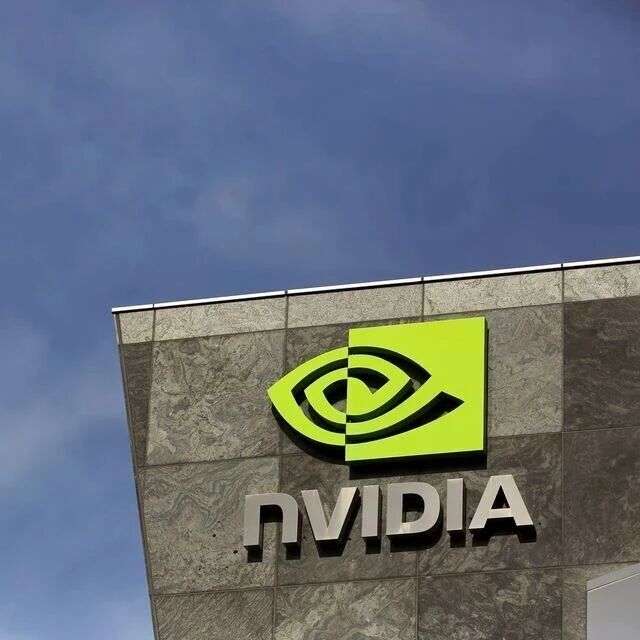
别急着抄底英伟达:一场被忽视的“氦气危机”,正在逼近芯片产业链
美股研究社· 2026-03-22 12:36
Core Viewpoint - The article emphasizes the critical role of helium in the global technology industry, particularly in semiconductor manufacturing, highlighting that disruptions in helium supply could lead to significant production halts beyond mere cost increases [1][2]. Group 1: Market Misjudgment - Current capital market pricing models are trapped in traditional macro frameworks, which may not effectively address the complexities of the 21st-century manufacturing ecosystem [4]. - The reliance on high-purity industrial gases, particularly helium, has fundamentally shifted in modern manufacturing, making helium an irreplaceable component in maintaining production environments [7]. Group 2: Helium Supply Chain Vulnerabilities - Approximately 30% of global commercial helium supply comes from Qatar, with its export routes heavily dependent on the Strait of Hormuz, creating a significant risk of supply disruption [8]. - Helium's storage challenges, including the need for extremely low temperatures and high costs, lead to a strategy of "just-in-time" production, resulting in low inventory levels across the industry [8]. Group 3: Impact on Semiconductor Industry - The inventory cycle for high-purity helium in major wafer fabs typically ranges from 2 to 4 weeks, making the 4-week threshold a critical point for potential supply chain disruptions [9]. - Major semiconductor manufacturers like TSMC are highly dependent on helium for advanced process nodes, and any supply interruption could lead to severe production impacts [10]. Group 4: Strategic Responses to Supply Risks - In response to helium supply risks, semiconductor manufacturers may implement "rationed production," prioritizing high-margin AI and high-performance computing chips while reducing output for lower-margin products [10]. - The storage chip sector, represented by companies like Samsung and SK Hynix, is particularly sensitive to helium supply changes, which could exacerbate price increases and supply-demand mismatches [10]. Group 5: Broader Market Implications - The current financial market shows a divergence in perception, with some viewing helium supply issues as a temporary geopolitical shock, while others recognize it as a potential structural supply chain crisis [12]. - The critical distinction lies in whether the supply disruption is short-term or indicative of long-term resource constraints, which could lead to a re-evaluation of supply chain priorities and pricing mechanisms [13]. Group 6: Future Considerations - If the helium crisis is prolonged, semiconductor manufacturers may face difficult choices regarding production capabilities, prioritizing core customers while sidelining less critical demand [13]. - The financial market's response to a confirmed supply shock could lead to a revaluation of tech stocks, with increased premiums for upstream resource stocks and a shift away from high-risk assets [14].