
水果国产化

Search documents
车厘子跌价2成、草莓和橙价腰斩,水果集体降价
Di Yi Cai Jing· 2026-01-31 06:22
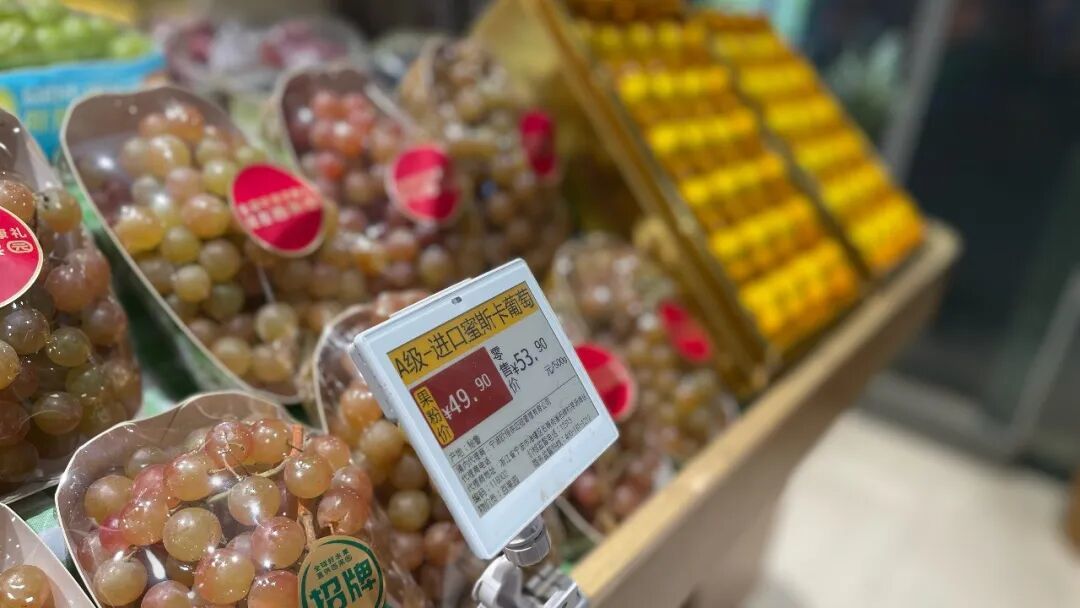
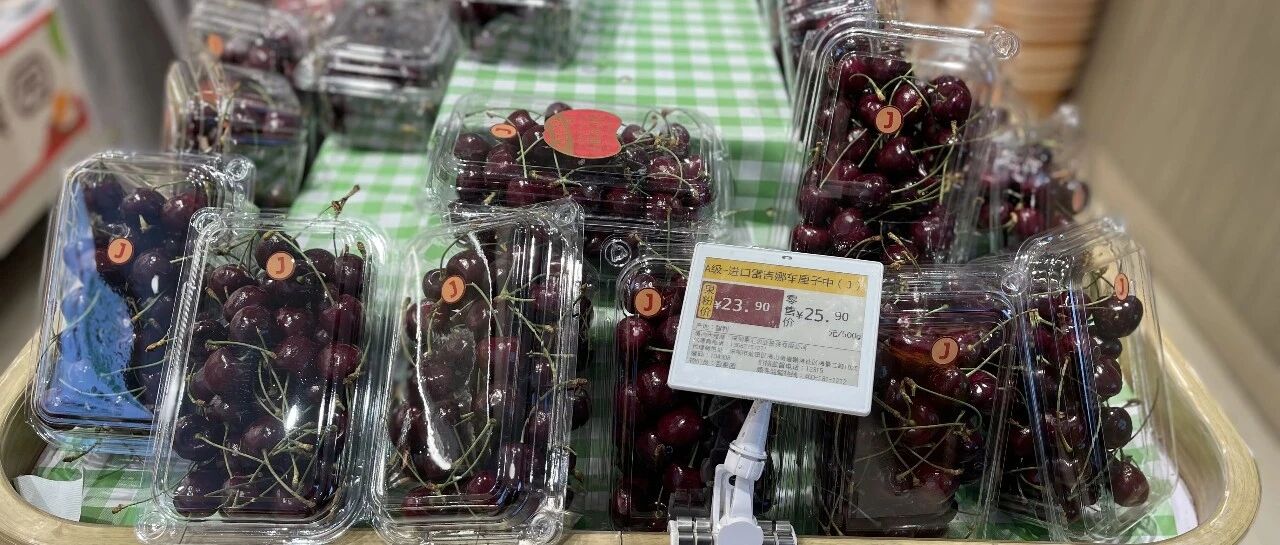
Core Viewpoint - The fruit market in Shanghai is experiencing significant price reductions, with popular fruits like sugar oranges and strawberries seeing price drops due to supply chain upgrades and changes in consumer demand. The trend towards domestic fruit production is expected to continue in the future [2]. Price Trends - Retail prices for common fruits have decreased significantly, with cherries dropping over 20% and some varieties seeing prices halved. Blueberries and sugar oranges are currently selling at lower prices compared to previous years [4]. - The reference price for imported cherries fell from 57 yuan per kilogram in January 2025 to 45 yuan in January 2026, while blueberries dropped from 56.25 yuan to 50 yuan per kilogram in the same period. Domestic oranges and strawberries also saw price declines [4]. Supply and Demand Dynamics - The overall price drop in fruits is attributed to an increase in supply, with many fruits being 20% to 30% cheaper than last year. The rise in supply is due to increased production capacity and favorable growing conditions [7]. - The production area for sugar oranges exceeded 10 million mu, with a production volume of 6.5 million tons in 2025, marking a 25% increase year-on-year. Strawberry planting area has also expanded significantly [8]. Market Competition - The influx of various fruits during the same season has intensified competition, leading to price wars, particularly among lower-quality fruits. The price difference between high-quality and ordinary blueberries can reach tenfold [9]. - Improved supply chain efficiency, including better cold chain logistics and the rise of e-commerce, has reduced costs and allowed for more competitive pricing at the retail level [9]. Impact on Upstream Producers - The decline in downstream prices is negatively affecting upstream fruit growers, with some citrus fruit purchase prices dropping by 40% to 50%. Blueberry prices at the production level have also decreased by around 20% compared to last year [11]. - The price of domestic blueberries has been on a downward trend for the past couple of years, with current prices ranging from 15 to 30 yuan per kilogram [11]. Future Market Trends - The fruit market is expected to see a short-term stabilization due to seasonal demand, but long-term trends indicate increasing differentiation in pricing based on quality. High-quality fruits may maintain stable prices, while overall market conditions remain loose [14]. - The future of the fruit industry is anticipated to focus on the rise of domestic mid-to-high-end fruits and accelerated local replacements, with an emphasis on efficient supply chains and diversified consumer scenarios [15][16].

车厘子跌价2成、草莓和橙价腰斩,水果集体降价
第一财经· 2026-01-31 04:15
Core Viewpoint - The article discusses the significant price drop in various fruits in 2026, attributing it to both supply chain upgrades and changes in consumer demand, with a trend towards domestic fruit production becoming more prominent [3]. Price Decline of Fruits - Retail prices for common fruits like cherries and strawberries have decreased significantly, with cherries dropping over 20% and some prices halved compared to previous years [6][7]. - As of January 29, 2026, the price of imported cherries was 45 yuan per kilogram, down from 57 yuan a year earlier, while strawberries fell from 43 yuan to 35.5 yuan per kilogram [6]. - The price of sugar oranges has seen a decline of 30% to 50% in some regions, with wholesale prices dropping from 3-4.5 yuan per pound to around 2 yuan [8][10]. Supply and Demand Dynamics - The overall decline in fruit prices is primarily due to an oversupply in the market, with fruit supply increasing significantly, leading to a 20%-30% price drop across various types [11]. - The expansion of production areas for fruits like sugar oranges and strawberries has contributed to increased supply, with sugar orange production reaching 6.5 million tons in 2025, a 25% increase year-on-year [11][12]. - The competition among fruits, particularly during peak seasons, has intensified, leading to price wars, especially for lower-quality fruits [13]. Impact on Upstream and Downstream Markets - The price drop in the downstream market has adversely affected upstream fruit growers, with some citrus fruit purchase prices falling by 40%-50% [15]. - Blueberry prices have also decreased by about 20% compared to the previous year, with wholesale prices dropping to 15-30 yuan per pound [15][16]. Future Trends in the Fruit Industry - The article predicts a short-term stabilization of fruit prices due to seasonal demand, but a long-term trend of increasing differentiation in fruit quality and pricing [19]. - The rise of domestic mid-to-high-end fruits and accelerated local replacements are expected, with a focus on efficient supply chain capabilities becoming crucial for growers and sellers [20][21]. - The market is anticipated to evolve towards more diversified consumption scenarios, driving innovations in product forms and marketing strategies [20].
商业秘密|车厘子跌价2成、草莓和橙价腰斩,揭水果集体降价真相
Di Yi Cai Jing· 2026-01-31 03:44
Core Viewpoint - The recent decline in fruit prices in Shanghai's markets reflects a broader trend in the fruit industry, driven by both supply chain upgrades and changes in consumer demand, with a notable shift towards domestic fruit production as a future trend [1][4][9]. Price Trends - Prices for popular fruits such as cherries and strawberries have dropped significantly, with cherries seeing a price reduction of over 20% and strawberries experiencing a price drop of around 50% within a month [4][5]. - Specific price data shows that imported cherries fell from 57 yuan per kilogram in January 2025 to 45 yuan in January 2026, while strawberries dropped from 43 yuan to 35.5 yuan per kilogram in the same period [4][5]. Supply and Demand Dynamics - The overall fruit prices have decreased by 20% to 30% due to an oversupply in the market, particularly for imported fruits like cherries, which have seen increased imports leading to lower prices [9][10]. - The production of domestic fruits such as sugar oranges and strawberries has increased, with sugar orange production reaching 6.5 million tons in 2025, a 25% increase year-on-year [9][10]. Market Competition - The simultaneous harvest of various fruits has intensified competition, leading to price wars, especially among lower-quality fruits [11][12]. - The rise of e-commerce and improved supply chain logistics has reduced costs and allowed for more competitive pricing at the retail level [11][12]. Impact on Producers - The decline in prices has adversely affected upstream fruit growers, with some experiencing a drop in purchase prices by 40% to 50%, marking the lowest in 20 years for certain varieties [13][14]. - The overall price for blueberries has decreased by about 20% compared to the previous year, with market prices continuing to decline [13][14]. Future Trends - The fruit market is expected to see a short-term stabilization due to seasonal demand, but long-term trends indicate a continued decline in prices, with a focus on quality differentiation [16][17]. - The industry is moving towards a model where high-quality domestic fruits will gain prominence, and there will be a shift towards more specialized and diversified consumption scenarios [17][18].
