水风光一体化开发

Search documents
春节“不打烊” 国家首个水风光一体化基地建设忙
Xin Lang Cai Jing· 2026-02-18 05:56
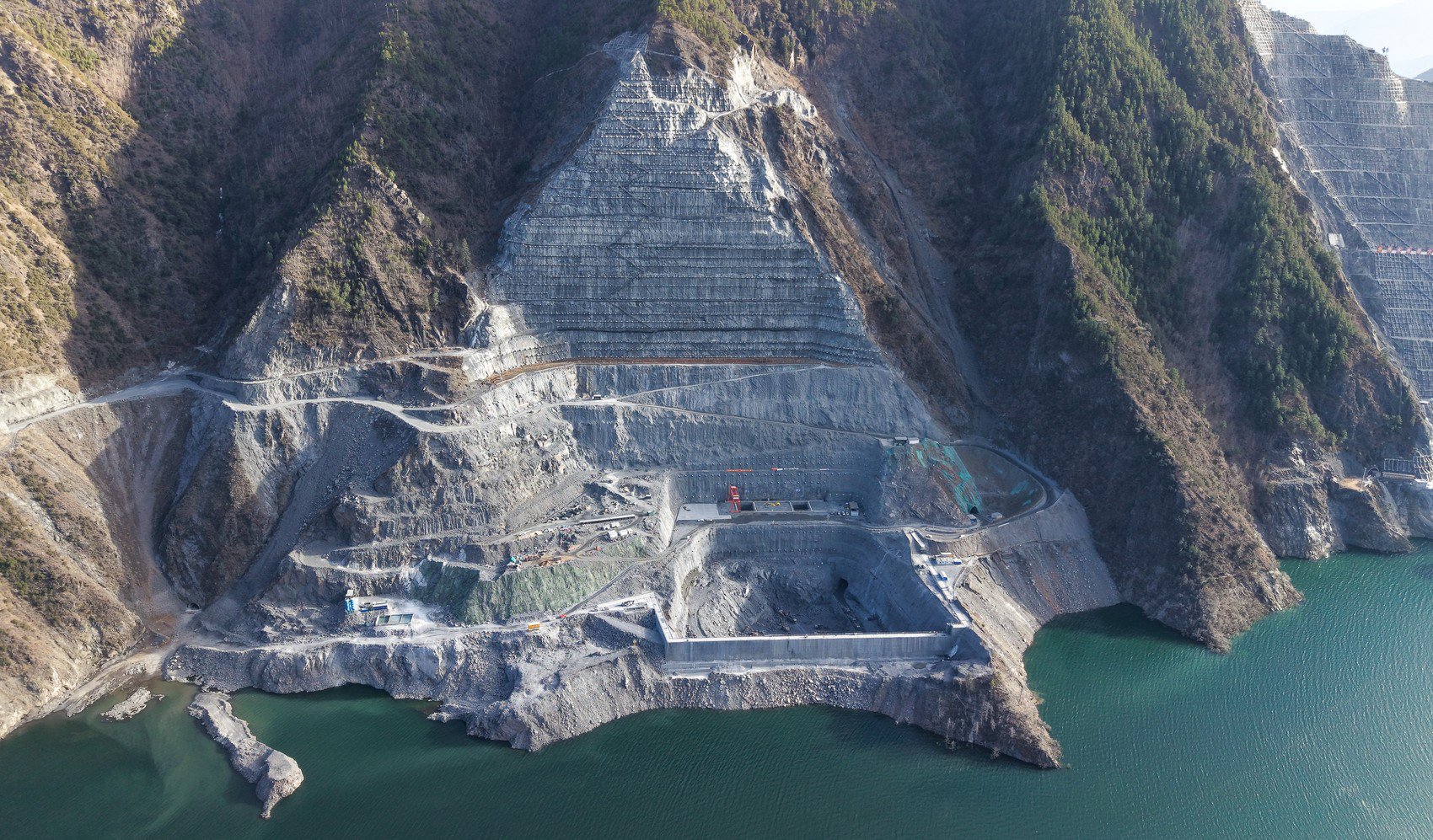
两河口抽蓄项目上库 川观新闻记者 李欣忆 2月18日(大年初二),在平均海拔超过3000米的川西高原,两个世界级的清洁能源工程——全球最大的混合式抽水蓄能电站两河口抽蓄电站,以及全球最 大的水光互补项目柯拉光伏电站(二期)依然是一派热火朝天的建设景象。数千名建设者放弃与家人团聚,全力以赴保障国家重大能源项目的高效推进。作 为国家首个水风光一体化基地,春节期间,雅砻江流域水风光一体化基地9个清洁能源工程攻坚不停,"进度条"持续刷新。 攻坚世界级难题: 两河口抽蓄电站的春节攻坚 "工程正处在地下厂房开挖的高峰期,春节'黄金施工期'一分钟都不能耽误。"雅砻江公司两河口抽水蓄能建设管理局副总工程师胡志刚对记者说。项目地处 甘孜州雅江县的高山峡谷,雨季施工干扰大,当前无雨雪的冬季正是抢抓进度的关键窗口。 春节期间,两河口抽蓄电站10多个工作面照常施工,超过500名建设者紧锣密鼓地进行上下库、主厂房、旁通洞等关键部位的开挖工作,为节后即将开始的 混凝土浇筑和机电安装奠定基础。 这个全球最大的混合式抽蓄项目,不仅面临高寒、缺氧、生态脆弱的普遍挑战,更需破解"超宽水头变幅大容量抽水蓄能机组稳定运行"这一世界级技术难 题。为确 ...

新能源高比例消纳靠什么
Jing Ji Ri Bao· 2025-11-02 21:55
Core Insights - The "Energy Transformation Index Blue Book 2025" indicates rapid growth in global wind and solar power capacity, with solar power installation rates significantly outpacing wind power [1] - China has set ambitious new targets for renewable energy, aiming for non-fossil energy consumption to exceed 30% of total energy consumption by 2035, with total installed wind and solar capacity reaching six times that of 2020 [1] Group 1: Renewable Energy Growth - Global wind and solar power capacity is experiencing rapid growth, particularly in solar energy, although some high-penetration countries are seeing a slowdown in solar installation rates due to structural challenges in grid management and market mechanisms [1] - China's renewable energy targets include achieving a total installed capacity of 3.6 billion kilowatts for wind and solar by 2035, which is six times the capacity in 2020 [1] Group 2: Integrated Development of Water, Wind, and Solar Energy - Integrated development of water, wind, and solar energy is a key trend in the energy sector, enhancing resource complementarity, efficiency, and cost optimization [2] - Hydropower plays a crucial role in stabilizing the power system and supporting the large-scale development of wind and solar energy, with hydropower generation accounting for 14% of total electricity and 41% of renewable energy in China in 2024 [1][2] Group 3: Market Efficiency and Green Certificates - The electricity market is essential for optimizing resource allocation and facilitating the high-level utilization of renewable energy [4] - Suzhou has established a comprehensive green electricity and green certificate service network, achieving significant growth in green electricity trading, with over 53 billion kilowatt-hours traded in 2024 [4][5] - The national green certificate trading system has been fully implemented, with 464 million certificates traded from January to August 2025, reflecting a 120% year-on-year increase [7]
中国新闻网 | 水电总院李昇:望将“水电+新能源”综合开发模式应用于能源国际合作
Sou Hu Cai Jing· 2025-10-23 20:59
Core Viewpoint - The integration of hydropower and renewable energy development is a significant trend in the energy sector, aiming to optimize energy structures and reduce reliance on fossil fuels for various countries [2]. Group 1: Renewable Energy Development - The global energy transition investment faces challenges of insufficient total investment and uneven regional distribution [2]. - In 2024, China's clean energy investment is projected to reach $625 billion, accounting for one-third of the global total [2]. - China has maintained the largest installed capacity for photovoltaic and wind power for ten consecutive years [2]. Group 2: Cost Efficiency and Global Impact - China's strong clean energy manufacturing capabilities have significantly improved the economic viability of global clean energy projects [2]. - Over the past decade, the average cost of electricity generated from wind and photovoltaic projects has decreased by 60% and 80%, respectively, accelerating the deployment of renewable energy worldwide [2]. Group 3: International Cooperation and Project Collaboration - China is enhancing international technological cooperation in hydrogen energy, energy storage, nuclear power, and smart energy [3]. - The Belt and Road Initiative has facilitated green energy project cooperation with over 100 countries, with a significant focus on renewable energy generation projects [3]. - Numerous landmark green energy projects have been implemented, contributing to energy security and optimization of energy structures in partner countries [3].
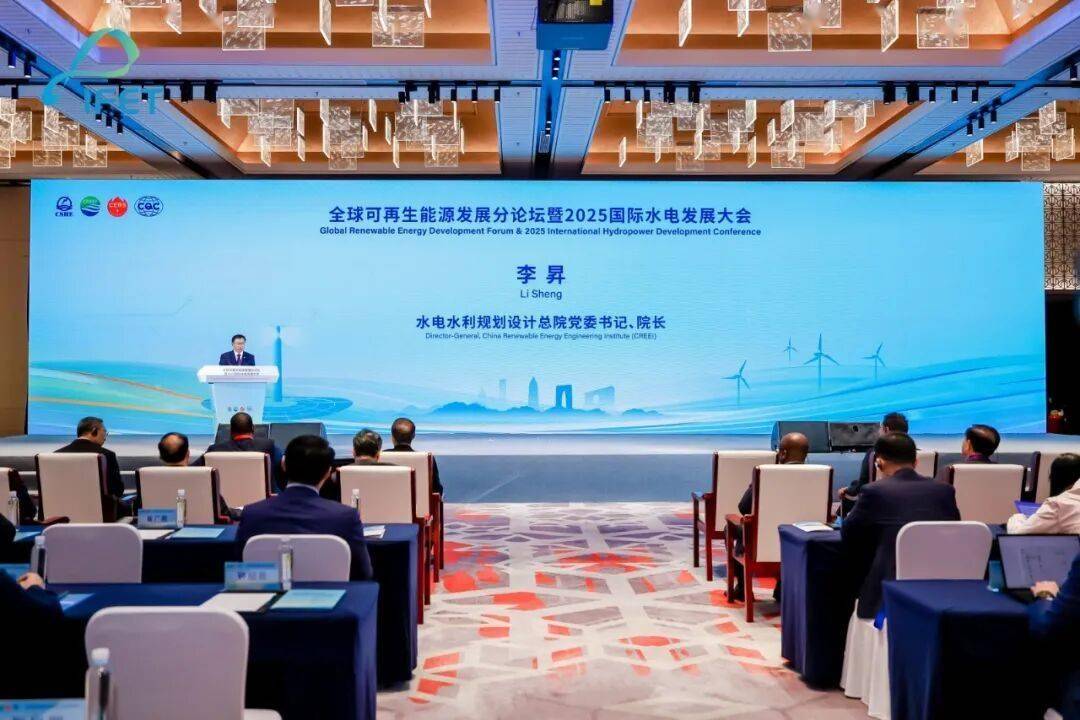
水电总院李昇:望将“水电+新能源”综合开发模式应用于能源国际合作
Zhong Guo Xin Wen Wang· 2025-10-23 17:41
Group 1 - The core viewpoint emphasizes the importance of integrated development of hydropower and renewable energy, particularly in the Yarlung Tsangpo River basin, as a viable option for optimizing energy structures and reducing reliance on fossil fuels in various countries [1] - China is projected to invest $625 billion in clean energy in 2024, accounting for one-third of global investment, with solar and wind power capacity leading the world for ten consecutive years [1] - Over the past decade, China has significantly reduced the average levelized cost of electricity for global wind and solar projects by 60% and 80% respectively, enhancing the economic viability of renewable energy projects worldwide [1] Group 2 - China is actively enhancing international technological cooperation in hydrogen energy, energy storage, nuclear power, and smart energy, promoting its advanced energy technologies and standards globally [2] - Under the Belt and Road Initiative, Chinese enterprises have collaborated with over 100 countries and regions on green energy projects, with a significant focus on renewable energy generation, contributing to energy security and optimization of energy structures in those regions [2] - A number of landmark green energy projects have been implemented, demonstrating China's commitment to providing replicable solutions for developing countries [2]
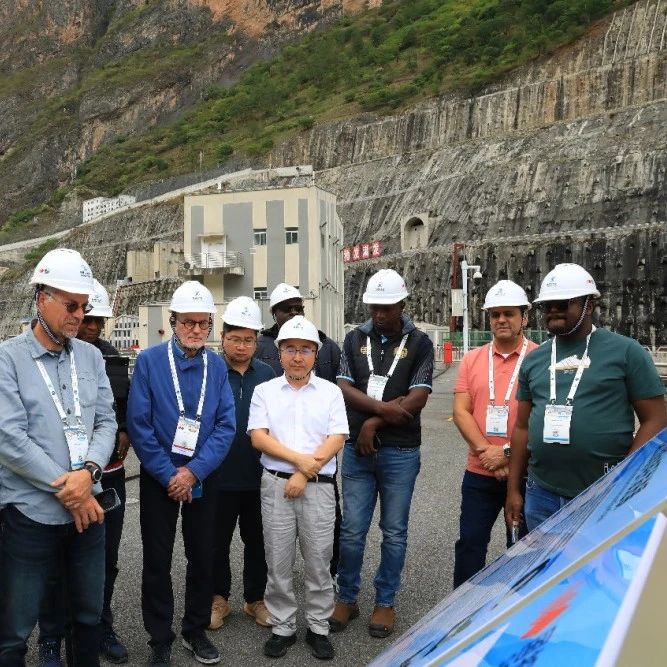
媒体报道丨国际大坝委员会代表调研雅砻江流域水风光一体化开发
国家能源局· 2025-05-30 06:10
Core Viewpoint - The Yarlung Tsangpo River basin's integrated development of hydropower and wind-solar energy is a significant example of clean energy innovation, showcasing China's capabilities in large-scale renewable energy projects [1][2][3] Group 1: Project Overview - The Yarlung Tsangpo River basin is recognized as one of China's nine major clean energy bases in the "14th Five-Year Plan" and is the country's first integrated hydropower and wind-solar demonstration base [1] - The current phase of the Yarlung Tsangpo River basin's integrated energy base plans to install 78 million kilowatts, with four project clusters planned for completion by 2035, aiming to become the world's largest green clean renewable energy base [3] Group 2: Technical Insights - The Jinxing Hydropower Station, the largest in the Yarlung Tsangpo River basin, has a total installed capacity of 8.4 million kilowatts and has achieved 20 world firsts, 20 domestic firsts, and 23 industry innovations [2] - The integration of hydropower with wind and solar energy is supported by the natural seasonal complementarity of these resources, with large hydropower stations providing essential regulation capabilities for the integrated development [2][3] Group 3: International Recognition - International experts, including the president of the International Commission on Large Dams, have praised the Yarlung Tsangpo River basin's integrated development as a valuable model for other countries, highlighting its potential as a global solution for renewable energy integration [2] - The project has garnered significant attention for its engineering complexity and efficiency, showcasing China's advanced capabilities in design and construction within the energy sector [2]