
电力市场

Search documents
两会聚焦丨全国两会能源电力十大看点前瞻
国家能源局· 2026-03-04 03:42
Core Viewpoint - The article emphasizes the importance of the energy and electricity sector in supporting economic growth and facilitating a green transition, highlighting key discussions expected at the upcoming national conferences [2]. Group 1: Energy Power Nation - The strategic goal of building an energy power nation is outlined, with a focus on transforming national strategies into actionable plans [3]. - The 2025 national energy work conference aims to implement high-quality energy planning, with a new energy system and sector-specific plans expected by 2026 [3]. Group 2: Energy Investment - Energy investment is projected to maintain rapid growth, with key projects expected to exceed 3.5 trillion yuan in annual investment by 2025 [4]. - Investment priorities include new power systems, large-scale wind and solar bases, and clean coal utilization, among others [5]. Group 3: High-Quality Development of New Energy - Since the 14th Five-Year Plan, China has built the largest and fastest-growing renewable energy system globally, but now faces the challenge of enhancing quality alongside quantity [7]. - The focus is on increasing the proportion of renewable energy supply and improving its reliability as a substitute for fossil fuels [7]. Group 4: National Unified Electricity Market - The establishment of a national unified electricity market is a core task for energy system reform during the 14th Five-Year Plan, aimed at enhancing energy development vitality [9]. Group 5: Future Energy Industries - The emphasis on innovation-driven development highlights the need for new energy industries, with local governments proposing initiatives in hydrogen energy, energy storage, and green technologies [11][12]. Group 6: Collaborative Energy and Computing - The integration of digital technology and energy, termed "collaborative energy and computing," is emerging as a new trend, with various provinces initiating projects to optimize this integration [13]. Group 7: Dual Control of Carbon Emissions - The transition from energy consumption control to dual control of carbon emissions is a significant change, with a focus on establishing a comprehensive incentive and constraint system [15]. Group 8: Combating Internal Competition - The article addresses the issue of "internal competition" in the energy sector, advocating for a shift from quantity expansion to quality competition [17][18]. Group 9: Expanding Green Electricity Consumption - The push for green electricity consumption is highlighted, with policies aimed at promoting green production and lifestyle changes [19]. Group 10: Development of Private Economy in Energy - The role of the private economy in the energy sector is growing, with initiatives to support private enterprises in contributing to green and low-carbon transitions [21].

A股盘前播报 | 国办发文!完善全国统一电力市场体系 13家券商一致建议持股过节
智通财经网· 2026-02-12 01:06
Group 1: Artificial Intelligence Development - The State Council emphasizes the need to comprehensively promote AI technology innovation, industry development, and application empowerment to foster new productive forces and drive high-quality development [1] - The State-owned Assets Supervision and Administration Commission (SASAC) calls for central enterprises to strengthen investment traction and actively expand effective investment in computing power, promoting the synergy of "computing power + electricity" [3] Group 2: Electricity Market Reform - The State Council's implementation opinion aims to establish a unified national electricity market system by 2035, with a steady increase in the proportion of market-based electricity transactions [2] Group 3: Market Sentiment and Strategies - Thirteen securities firms recommend holding stocks during the upcoming Spring Festival holiday, citing a favorable policy environment and market conditions that support a potential spring rally [4] - The upcoming holiday presents an opportunity for investors to engage in short-term treasury reverse repos, allowing for significant interest earnings in a short period [5] Group 4: Market Trends and Insights - Analysts expect continued rotation of market funds between technology and non-ferrous sectors before and after the Spring Festival [7] - The AI infrastructure investment is accelerating, with major firms like Meta investing over $10 billion in new data centers, indicating a new cycle of expansion and upgrades in domestic data centers [10] - Indonesia's nickel production is expected to decline significantly due to a 70% reduction in export quotas, which may lead to a gradual recovery in nickel prices [11] - The release of a new flagship AI model by Zhiyun is expected to enhance capabilities in programming and intelligent agents, indicating structural growth in AI applications [12]
去年两市日均成交额大增,机构称券商各业务均受益于增量资金入市丨A股明日线索
2 1 Shi Ji Jing Ji Bao Dao· 2026-02-11 11:40
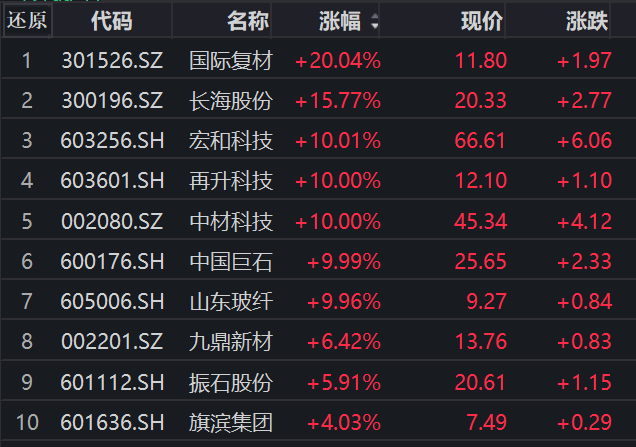
Group 1: National Power Market Development - The State Council has issued an implementation opinion aiming to establish a unified national electricity market system by 2035, with a market transaction volume steadily increasing [1] - By 2030, the goal is to have about 70% of the total electricity consumption in the country come from market-based transactions, with all types of power sources and non-essential users participating directly in the market [1] - The implementation will include joint transactions across provinces and regions, with a fully operational spot market and a well-established market pricing mechanism by 2030 [1] Group 2: Stock Market Projections - The People's Bank of China projects that the average daily trading volume of the two stock exchanges will reach 17,045.4 billion yuan in 2025, an increase of 61.9% compared to 2024 [2] - By the end of 2025, the Shanghai Composite Index is expected to close at 3,968.8 points, reflecting an 18.4% increase from the end of 2024, while the Shenzhen Component Index is projected to rise by 29.9% to 13,525.0 points [2] Group 3: Solid-State Battery Standards - The first part of the national standard for solid-state batteries for electric vehicles is expected to be released in July 2026, with the draft completed by December 2025 [3] - The standard will include terminology and classification, with testing and validation scheduled for early 2026 [3] Group 4: Lithium Carbonate Futures and Market Activity - Lithium carbonate futures saw a significant increase, with the main contract rising over 9% on February 11 [4] Group 5: Glass Fiber Price Increases - Leading glass fiber companies have raised prices for electronic cloth, resulting in multiple stocks in the sector hitting their daily price limits [5] - Notable companies include International Composites, Changhai Co., and Honghe Technology, with price increases ranging from 10% to over 20% [5][6] Group 6: Tungsten and Rare Earth Market Movements - Zhangyuan Tungsten Industry announced significant price increases for long-term procurement contracts, with black tungsten and white tungsten prices rising by 28.1% and 28.2% respectively [7] - Rare earth product prices have accelerated, with neodymium oxide and metal prices increasing by 7.59% and 6.27% respectively, and a cumulative increase of 34% since the beginning of the year [8] Group 7: Solid-State Battery Technology Collaboration - Guoxuan High-Tech and BASF have signed a strategic cooperation memorandum to jointly develop next-generation solid-state battery technology, focusing on high-performance materials [9] - The collaboration aims to accelerate the commercialization of innovative results in various applications, including electric vehicles and energy storage [9] Group 8: Nickel Price Trends - Nickel prices have continued to rise, with LME nickel reaching $17,780 per ton, and domestic futures increasing over 4% [11] - Indonesia has reaffirmed plans to significantly reduce nickel ore production, with a production quota set between 260 million and 270 million tons for the year [11]


2025年度能源行业十大科技创新成果
国家能源局· 2026-01-29 11:21
Core Viewpoint - The article highlights ten significant technological innovations in the energy sector for 2025, showcasing advancements in various energy generation and storage technologies that enhance efficiency, safety, and sustainability. Group 1: Solar and Thermal Energy Innovations - The 100 MW multi-tower solar thermal power generation system introduces a new architecture for concentrated solar power, improving system integration and resource utilization, applied in a 700,000 kW project in Gansu [3] Group 2: Hydropower Innovations - The 500 MW large impact water turbine generator set represents a breakthrough in high-head, large-capacity hydropower technology, featuring the world's largest 6.23-meter turbine and supporting the construction of hydropower bases in Tibet [5] Group 3: Nuclear Energy Innovations - The 2 MW liquid fuel thorium molten salt experimental reactor technology demonstrates the feasibility of using thorium resources, achieving thorium-uranium fuel conversion for the first time [7] Group 4: Coal and Clean Energy Innovations - The 700 MW high-efficiency ultra-supercritical circulating fluidized bed boiler technology significantly reduces coal consumption by approximately 20 grams per kilowatt-hour compared to traditional systems, supporting new coal power projects [9] Group 5: Power Transmission Innovations - The ultra-high voltage direct current transformer with on-load tap changer technology enhances voltage regulation without power interruption, achieving the highest global parameters and supporting large-scale clean energy transmission [11] Group 6: Smart Mining Innovations - The large open-pit coal mine unmanned transportation system addresses key challenges in autonomous operation, filling a technological gap in 300-ton mining trucks for large-scale applications [15] Group 7: Oil and Gas Pipeline Innovations - The large-diameter oil and gas pipeline welding robot technology advances the intelligent transformation of pipeline construction, enhancing efficiency and adaptability in complex field conditions [17] Group 8: Energy Storage Innovations - The large-capacity solid-liquid hybrid lithium-ion battery storage system, with a capacity of 314 amp-hours, enhances performance and safety, applied in a 200 MW/400 MWh energy storage project in Guangdong [19] Group 9: Green Hydrogen and Ammonia Innovations - The large-scale green hydrogen and ammonia integrated flexible synthesis technology supports the non-electric consumption of renewable energy, with demonstration projects in Jilin set to operate in 2025 [21]
多维数据勾勒2025年高质量发展“成绩单” 中国经济顶压前行向“新”向优
Yang Shi Wang· 2026-01-24 02:22
Group 1: Wholesale and Retail Industry - The added value of China's wholesale and retail industry is projected to reach 14.6 trillion yuan in 2025, with a year-on-year growth of 5.0%, marking a historical high [1] - Warehouse membership stores and unmanned stores are experiencing double-digit growth in retail sales, indicating a strong development momentum in the wholesale and retail sector [1] Group 2: Electricity Market - The national electricity market transaction volume is expected to reach 6.6 trillion kilowatt-hours in 2025, with a year-on-year increase of 7.4%, accounting for 64.0% of the total electricity consumption, an increase of 1.3 percentage points [2] - The rapid growth of green electricity transactions reached 328.5 billion kilowatt-hours, up 38.3% year-on-year, significantly supporting the green energy needs of enterprises [4] Group 3: Foreign Investment - Actual foreign investment in China is projected to exceed 700 billion yuan in 2025, with 70,392 new foreign-invested enterprises established, reflecting a year-on-year growth of 19.1% [5] - The manufacturing sector attracted 185.5 billion yuan, while the service sector attracted 545.1 billion yuan in foreign investment, with high-tech industries seeing significant increases [7] - Investment from Switzerland, UAE, and the UK grew by 66.8%, 27.3%, and 15.9% respectively, indicating a diversification in investment sources [9] Group 4: Intellectual Property - By the end of 2025, the number of valid domestic invention patents in China is expected to reach 5.32 million, with a significant increase in high-value patents [12][15] - The number of registered trademarks is projected to reach 49.88 million, with an average examination cycle of 4 months and a pass rate exceeding 97% [19][21] Group 5: National Standards - In 2025, China is expected to establish 1,139 new national standard substances, a year-on-year increase of 61.8%, primarily in the food safety sector [22] - A total of 19,441 national standard substances have been established to support high-quality economic and social development [25]
《电力中长期市场基本规则》政策解读:以菜市场视角看《规则》
Zhong Guo Dian Li Bao· 2026-01-09 03:07
Core Viewpoint - The National Development and Reform Commission and the National Energy Administration have issued the "Basic Rules for the Medium and Long-term Electricity Market," providing essential institutional support for the construction of a unified national electricity market [1] Group 1: Pricing Mechanism Changes - The new rules eliminate the rigidly defined time-based electricity pricing, allowing market participants to negotiate prices based on supply and demand dynamics [2][3] - This shift enables electricity users and producers to express their preferences for different time-based pricing, leading to more efficient and flexible market allocation of electricity resources [3] Group 2: Trading Flexibility - The rules introduce a more flexible trading mechanism, transitioning from a "scheduled bulk purchase" model to an "on-demand fresh supply" model, enhancing trading flexibility and accommodating high proportions of renewable energy [4][5] - Long-term contracts can still be negotiated at fixed times, while short-term transactions can occur daily, allowing for adjustments based on real-time supply and demand [4] Group 3: Price Alignment - The new regulations aim to gradually align the price limits of medium and long-term trading with those of spot trading, reducing arbitrage opportunities that distort price signals [6][8] - This alignment will create a coherent pricing system across different trading periods, enabling better price transmission and stability for electricity investments and consumption decisions [8]
《电力中长期市场基本规则》解读之五︱积极推动新型主体入市机制建设
Sou Hu Cai Jing· 2026-01-02 09:57
Core Viewpoint - The recent release of the "Basic Rules for the Electric Power Mid- to Long-Term Market" establishes a framework for the entry of new types of entities into the market, aiming to optimize the coordination of various regulatory resources and promote energy transition and electric power market development [3]. Group 1: Practice and Effectiveness of New Entities in the Market - A diversified system of new entities has been established in China's electric power market, including new energy storage, virtual power plants, distributed energy, and integrated source-grid-load-storage projects, allowing for legal and orderly market entry [4]. - Different provinces have developed unique market participation mechanisms based on their resource endowments, with various models for new energy storage and virtual power plants being implemented [5]. - The scale of participation by new entities is steadily increasing, with Zhejiang Province registering 145 new entities by 2024, and significant operational capabilities being demonstrated, such as a maximum load adjustment of 92.4 thousand kilowatts in Zhejiang [6]. Group 2: Role of the Basic Rules in Guiding Market Entry - The Basic Rules define the market position and responsibilities of new entities, providing a basis for their standardized entry into the market [7]. - The rules specify the rights and obligations of new entities, ensuring fair competition and outlining requirements for contract fulfillment and information disclosure [7]. - The rules also optimize trading mechanisms for resource aggregation entities, enhancing their participation in market transactions [8][9]. Group 3: Recommendations for Further Development of Market Entry Mechanisms - It is recommended to establish technical requirements and standardized entry mechanisms for new entities to participate in flexible adjustment markets, enhancing their capabilities [11]. - Creating reasonable market price signals is essential to guide the integration of new entities into both mid- to long-term and spot markets, ensuring they can cover adjustment costs [12]. - Expanding revenue channels for new entities by promoting their participation in various market segments and establishing a performance-based compensation mechanism is crucial for sustainable operations [13]. - Classifying aggregation entities based on operational characteristics and adjustment capabilities will help refine management and entry mechanisms [14].
市场监管总局:平台强推“全网最低价”或构成垄断|营商环境周报
2 1 Shi Ji Jing Ji Bao Dao· 2025-12-22 06:45
Group 1: National Power Market Evaluation System - The National Development and Reform Commission and the National Energy Administration have issued a notification to establish a nationwide unified power market evaluation system focusing on four key areas: market operation effectiveness, market role performance, sustainable development of operating entities, and market competition adequacy [2][3] - The evaluation aims to create a scientific, systematic, and dynamic power market evaluation framework that balances multiple objectives such as security of supply, green transition, and economic efficiency [2][3] - The evaluation work will be organized by the National Development and Reform Commission and the National Energy Administration, with participation from market operators, universities, and research institutions [3] Group 2: High-Quality Development of Service Outsourcing - The Ministry of Commerce and six other departments have released an action plan to promote high-quality development in the service outsourcing sector, aiming to cultivate a number of internationally competitive leading enterprises by 2030 [4][5] - The action plan includes six specific measures focusing on enhancing platform capabilities, fostering innovation, nurturing key players, expanding market access, developing industry standards, and training talent [4][5] - The plan emphasizes the integration of digital economy with the real economy, promoting the development of international data service businesses and establishing a data service industry chain [5] Group 3: Antitrust Compliance Guidance - The State Administration for Market Regulation has introduced compliance guidelines addressing eight new types of monopoly risks for platform enterprises, including algorithm collusion and unfair pricing practices [6][8] - The guidelines aim to help platform operators identify, assess, and prevent antitrust compliance risks, promoting a shift from reactive enforcement to proactive compliance management [7][8] - The guidelines encourage platforms to develop internal management systems for antitrust compliance, ensuring sustainable development and healthy market competition [8] Group 4: Element Market Reform in Henan Province - The Henan Provincial Government has released a comprehensive reform pilot plan for market-oriented allocation of factors, proposing 70 specific measures to enhance the flow and efficient allocation of resources [10][11] - The plan includes initiatives to promote technological innovation, improve land allocation efficiency, facilitate human resource mobility, and establish data circulation rules [10][11][12] - The plan aims to support the development of high-end equipment, new materials, and biomedicine sectors through the establishment of verification centers and pilot bases [10][11] Group 5: Support for Biomedicine and Medical Devices in Sichuan Province - The Sichuan Provincial Government has issued policies to support the high-quality development of the biomedicine and medical device industries, including financial incentives for innovative drugs and devices [13][14] - The policies focus on enhancing research capabilities, improving clinical trial quality, and optimizing approval processes for innovative products [13][14] - The initiative aims to create a favorable ecosystem for industry development, including support for intellectual property protection and financial leasing for medical equipment [14] Group 6: Innovative "Rent-Equity Linkage" Mechanism in Zhejiang - The Taizhou Bay New Area in Zhejiang has introduced a "rent-equity linkage" mechanism to alleviate financial pressures on startups while enhancing the park's service capabilities [16][17] - This model allows selected high-potential tech companies to defer rent payments, enabling them to focus on research and market expansion [16][17] - The mechanism aims to foster a long-term partnership between the park and enterprises, facilitating investment and shared growth opportunities [17]
四川绿电直连实施细则征求意见:配套储能不得独立参与电力市场和对外租赁盈利
中关村储能产业技术联盟· 2025-12-09 10:43
Core Viewpoint - The article discusses the draft implementation details for promoting green electricity direct connection projects in Sichuan Province, aiming to leverage the region's clean energy advantages and accelerate the development of related support measures [9][12]. Group 1: General Principles - The implementation details apply to green electricity direct connection projects within the administrative region of Sichuan Province, focusing on new energy sources such as wind, solar, and biomass, excluding existing hydropower and other renewable sources [13]. - The development goal is to meet the green energy needs of various enterprises while ensuring the stability of the public power grid and fair market operations [13]. Group 2: Basic Requirements for Green Electricity Direct Connection Projects - Projects must scientifically determine the types and scales of new energy sources based on load characteristics, with at least 60% of the annual self-generated electricity from new energy sources and at least 30% of total electricity consumption being self-generated [16]. - Projects are not allowed to feed electricity back to the public grid before the continuous operation of the electricity spot market, and after that, they can adopt a model primarily focused on self-consumption [16]. Group 3: Pricing and Trading Mechanisms - The pricing mechanism for green electricity direct connection projects must comply with national regulations, and projects in specific regions are exempt from peak pricing policies [21]. - Projects must participate in the electricity market as a unified whole and cannot have their supporting storage facilities operate independently in the market [21]. Group 4: Management and Implementation - Project owners must submit applications for approval or record-keeping according to regulations, and if projects are not commenced within two years of approval, the allocated new energy resources will be revoked [25][26]. - The overall implementation plan must be evaluated and approved by local energy authorities, ensuring that all components of the project are constructed and put into operation simultaneously [24]. Group 5: Safety and Monitoring - Projects must establish clear safety responsibility interfaces with the public grid and adhere to safety management measures to ensure stable operation [19]. - The provincial energy bureau is responsible for guiding the evaluation of project demand and monitoring project management and operation [26].

新能源高比例消纳靠什么
Jing Ji Ri Bao· 2025-11-02 21:55
Core Insights - The "Energy Transformation Index Blue Book 2025" indicates rapid growth in global wind and solar power capacity, with solar power installation rates significantly outpacing wind power [1] - China has set ambitious new targets for renewable energy, aiming for non-fossil energy consumption to exceed 30% of total energy consumption by 2035, with total installed wind and solar capacity reaching six times that of 2020 [1] Group 1: Renewable Energy Growth - Global wind and solar power capacity is experiencing rapid growth, particularly in solar energy, although some high-penetration countries are seeing a slowdown in solar installation rates due to structural challenges in grid management and market mechanisms [1] - China's renewable energy targets include achieving a total installed capacity of 3.6 billion kilowatts for wind and solar by 2035, which is six times the capacity in 2020 [1] Group 2: Integrated Development of Water, Wind, and Solar Energy - Integrated development of water, wind, and solar energy is a key trend in the energy sector, enhancing resource complementarity, efficiency, and cost optimization [2] - Hydropower plays a crucial role in stabilizing the power system and supporting the large-scale development of wind and solar energy, with hydropower generation accounting for 14% of total electricity and 41% of renewable energy in China in 2024 [1][2] Group 3: Market Efficiency and Green Certificates - The electricity market is essential for optimizing resource allocation and facilitating the high-level utilization of renewable energy [4] - Suzhou has established a comprehensive green electricity and green certificate service network, achieving significant growth in green electricity trading, with over 53 billion kilowatt-hours traded in 2024 [4][5] - The national green certificate trading system has been fully implemented, with 464 million certificates traded from January to August 2025, reflecting a 120% year-on-year increase [7]