
汽车产业韧性

Search documents
解码大国工业的“韧性密码”:吉利如何在变局中重构全球价值链?
Huan Qiu Wang· 2025-12-31 01:57
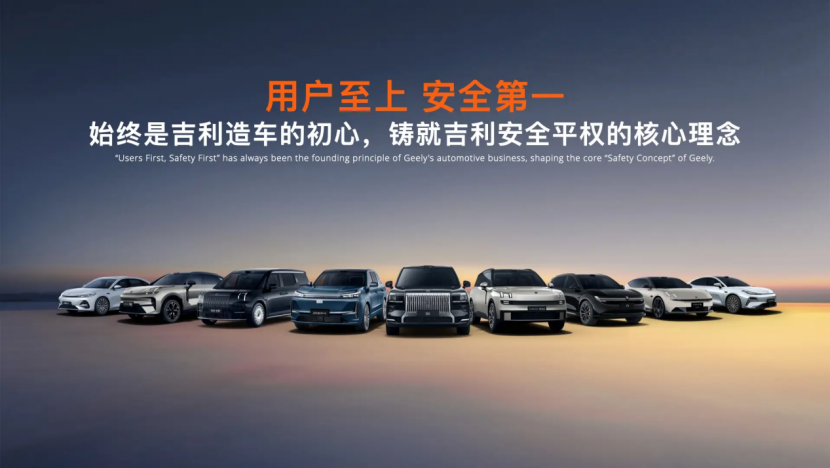
Core Viewpoint - The year 2025 marks a significant journey for China, characterized by resilience and determination in various sectors, particularly in the automotive industry, which is undergoing a profound transformation amidst global geopolitical changes [1][2]. Group 1: Globalization and Resilience - The Chinese automotive industry is transitioning from a traditional export model to a more integrated approach, focusing on embedding within global markets rather than merely exporting products [3][4]. - The launch of over a thousand Geely Galaxy Starship 7 EM-i vehicles to Europe symbolizes a pivotal moment in showcasing the resilience and global expansion of Chinese automotive brands [3][4]. Group 2: Technological Advancement and Safety Standards - Geely's establishment of a world-class safety testing center represents a significant milestone in enhancing China's automotive safety verification capabilities, aligning with global standards [10][12]. - The development of the "All-Domain Safety 2.0" system by Geely reflects a proactive approach to setting new safety standards in the intelligent and electric vehicle era, moving from a follower to a leader in global automotive safety [12][13]. Group 3: Performance and Competitive Edge - The success of the Lynk & Co Cyan Racing team in international racing events highlights China's growing capabilities in high-performance automotive engineering, marking a shift from being a passive participant to a competitive leader [16][19]. - The integration of racing technology into consumer vehicles demonstrates a strategic approach to enhance performance and innovation within the Chinese automotive sector [19][20]. Group 4: Industry Collaboration and Shared Growth - Geely's commitment to sharing core patents and safety testing resources with the industry exemplifies a collaborative spirit aimed at elevating the entire automotive sector, fostering a culture of shared growth and responsibility [14][22]. - The narrative of resilience in the Chinese automotive industry is not just about individual success but also about contributing to the sustainable development of the global automotive landscape through innovative solutions [22].


南非提升汽车产业韧性
Ren Min Ri Bao· 2025-09-11 21:46
Group 1 - The South African government has established an "Export Enterprise Support Platform" to assist automotive manufacturers in accessing diverse international markets, particularly in response to high tariffs from the US and increasing trade uncertainties [1] - The automotive manufacturing sector is a significant part of South Africa's economy, with two-thirds of its production capacity dedicated to exports. In 2024, the total export value of South African automotive and parts is projected to reach 268.8 billion Rand, accounting for 14.7% of the country's total exports [1] - South Africa is focusing on expanding its market reach within the Southern African Development Community and the broader African continent, leveraging frameworks like the African Continental Free Trade Area to create a more balanced export structure [1] Group 2 - South Africa is advancing the green transformation of its automotive industry, aiming to establish itself as a core manufacturing hub for electric vehicles and components globally. The Department of Trade, Industry and Competition has outlined plans to enhance local production capabilities for electric vehicles over the next decade [2] - The South African government has announced a 1 billion Rand investment to support local electric vehicle and battery manufacturing projects, and is considering expanding the "Automotive Production and Development Programme" to facilitate supply chain upgrades and the application of new energy [2] - Chinese automotive companies are collaborating with local dealers and charging infrastructure firms to enhance the development of charging networks and after-sales service systems in South Africa, with brands like BYD, Great Wall, and Chery launching various electric and hybrid models [2]