汽车行业反腐

Search documents
任职近40年,原纪委书记退休后被查!东风系反腐持续加码
Nan Fang Du Shi Bao· 2025-11-24 06:43
Core Insights - A senior executive from Dongfeng Motor Group, Zheng Jiakun, is under investigation for serious violations of discipline and law, marking the 25th Dongfeng executive to be scrutinized by the Central Commission for Discipline Inspection in 2025 [2][5]. Company Overview - Zheng Jiakun, born in 1962 and an EMBA graduate from the University of the East, has held various significant positions within Dongfeng, including Deputy Secretary of the Party Committee and General Manager of Zhengzhou Nissan [4]. - Zheng has worked at Dongfeng for approximately 39 years, starting in 1983 and retiring in 2022 [4]. Industry Context - The automotive industry is prone to corruption due to its extensive supply chain and large-scale operations, with Dongfeng being a state-owned enterprise that frequently engages in substantial transactions with suppliers [5]. - Dongfeng has intensified its anti-corruption efforts, reporting nearly 50 internal violations in 2024 and taking decisive action against major misconduct involving senior management [5]. Financial Performance - In the first ten months of the year, Dongfeng Group's total sales reached 1.501 million units, reflecting a year-on-year decline of approximately 1.6%, with significant drops in joint venture sales, particularly a 24.7% decrease in Dongfeng Honda sales [6]. - Conversely, the company's self-owned brands, including Yipai Technology, Lantu Motors, and Mengshi Technology, showed impressive growth, with sales increasing by 35.1%, 90.7%, and 196.5% respectively, contributing to a 6.6% year-on-year revenue increase to 54.533 billion yuan [6]. Strategic Direction - Dongfeng is shifting its focus towards developing its own new energy brands, with plans to delist Dongfeng Motor Group and promote Lantu Motors' listing [6]. - A new brand, Yijing, developed in collaboration with Huawei, is set to launch its first model in April next year, aiming to inject new momentum into the brand transformation [6].

“双开”!从汽车“少帅”到反腐典型,刘卫东的双面人生
Guo Ji Jin Rong Bao· 2025-08-05 13:36
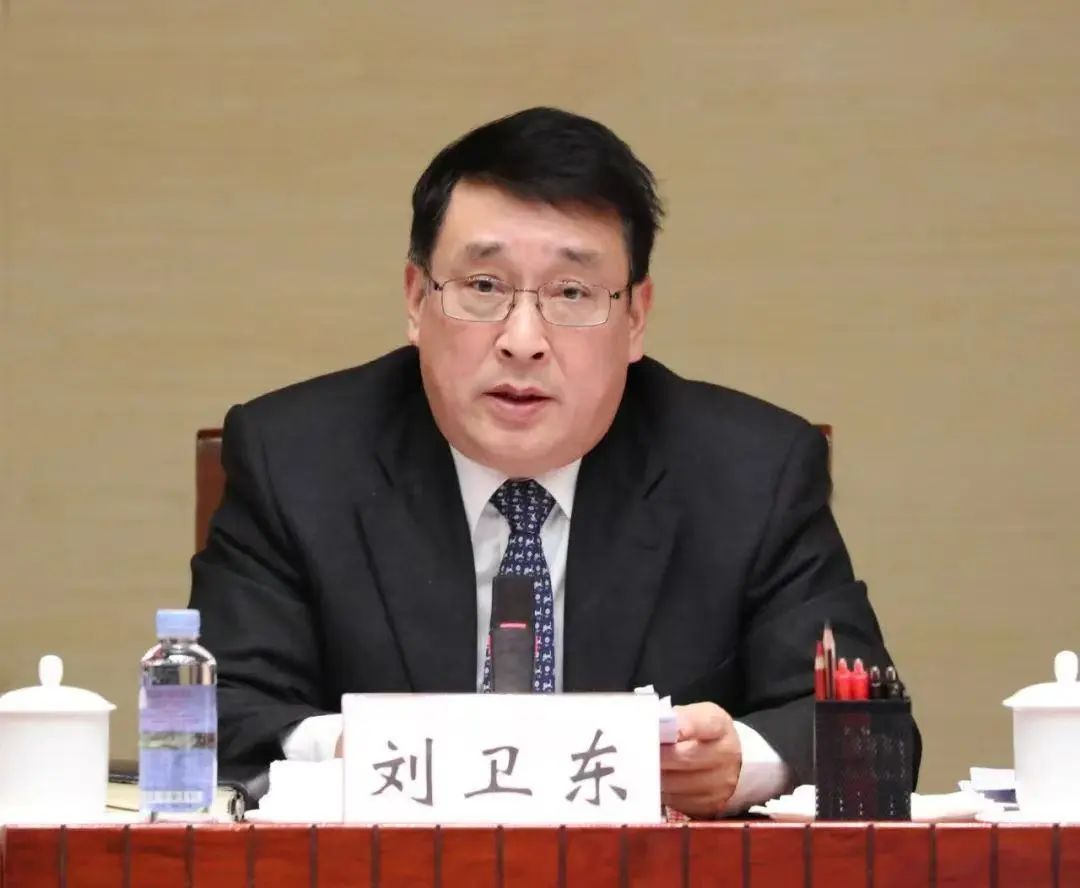
Core Viewpoint - The recent expulsion of Liu Weidong, former deputy general manager of China Ordnance Equipment Group, marks the end of a 37-year career in the automotive industry, highlighting issues of corruption within the sector [1][4]. Group 1: Career Overview - Liu Weidong began his career in 1988 after graduating from Wuhan University of Technology, gradually rising through the ranks at Dongfeng Motor Corporation [3]. - In 2001, he became the general manager of Shenlong Automobile Co., leading the company for a decade and overseeing the introduction of models like Peugeot 307 and Citroën C5 [3]. - Despite initial successes, Shenlong's sales plummeted after 2016, with only 68,300 units sold in 2024 [3]. Group 2: Corruption Issues - Liu's expulsion was due to three main issues: engaging in power-for-money transactions, accepting gifts and benefits, and interfering in procurement processes [4]. - His actions led to a "nest of corruption" involving several former colleagues, indicating widespread issues in the automotive industry's production, procurement, and marketing sectors [4]. - Liu had previously emphasized integrity and compliance within the organization, yet ultimately fell victim to the very issues he sought to address [4]. Group 3: Industry Challenges - Shenlong Automobile has struggled to launch competitive electric vehicle models despite obtaining production qualifications for new energy vehicles in 2019 [5][7]. - The company's plan to introduce eight new energy models over five years has seen slow progress, raising concerns about its ability to establish a foothold in the market [5].

车圈反腐!东风62岁元老被查,上汽大众有采购员工被警方带走
21世纪经济报道· 2025-06-25 14:59
Core Viewpoint - The automotive industry is currently facing a wave of anti-corruption efforts, which are crucial for maintaining the integrity of supply chains and ensuring product quality in a highly competitive market [2][3][4]. Group 1: Anti-Corruption Efforts - Dongfeng Motor has seen six executives under investigation for serious violations since May, including a senior manager [2]. - SAIC Volkswagen is also involved in investigations, with a procurement department employee detained, indicating a broader trend of scrutiny within the industry [2][3]. - The internal email leak alleging corruption in SAIC Volkswagen's procurement department highlights ongoing issues, although the company claims no substantial evidence was found [3]. Group 2: Supply Chain Management - The automotive supply chain is extensive, involving thousands of parts, and any corruption can lead to significant financial losses for companies [3][4]. - BYD's chairman emphasized that corruption is a major obstacle to healthy company growth, and the company has implemented reporting incentives to combat it [4]. - NIO is adopting a "transparent supply chain" approach to reduce waste and improve cost visibility, which is critical for maintaining product quality [5]. Group 3: Financial Performance and Challenges - SAIC Volkswagen's profit margins have been severely compressed in the new energy era, with past models achieving margins of 20-30% now facing significant challenges [6]. - The company aims to achieve a profit margin of around 10% for its new range-extended products, which is a considerable challenge given current market conditions [6]. - Recent reforms under new management include cost-cutting measures and a focus on enhancing operational efficiency, such as reducing development licensing fees and internalizing outsourced R&D work [6][7]. Group 4: Future Strategies - SAIC Volkswagen plans to launch seven new models by 2026, including electric and hybrid vehicles, as part of its strategy to improve market competitiveness [7]. - The company is reforming its dealer assessment system to enhance customer service, indicating a shift towards a more customer-centric approach [7]. - Despite cost-cutting measures, SAIC Volkswagen is committed to maintaining quality and safety standards, as evidenced by investments in safety features for new models [7].