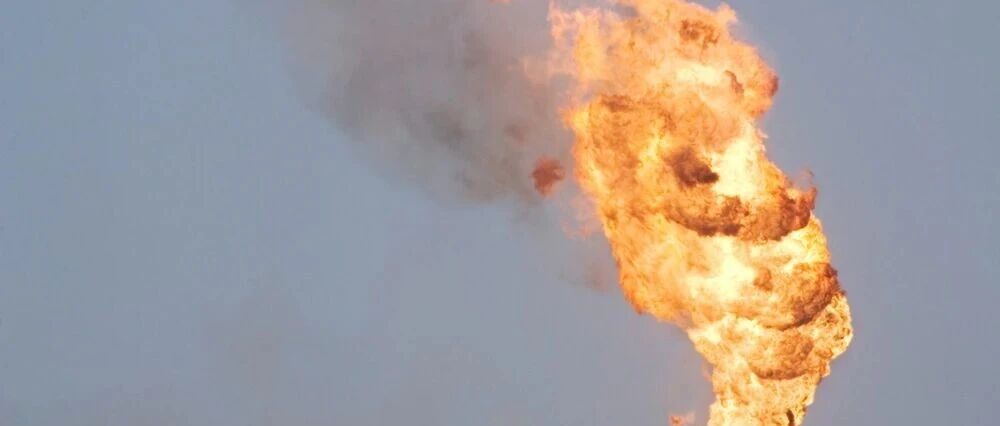
油价失控

Search documents
全线跳水!刚刚,超10万人爆仓!伊朗,最新警告
券商中国· 2026-03-14 04:00
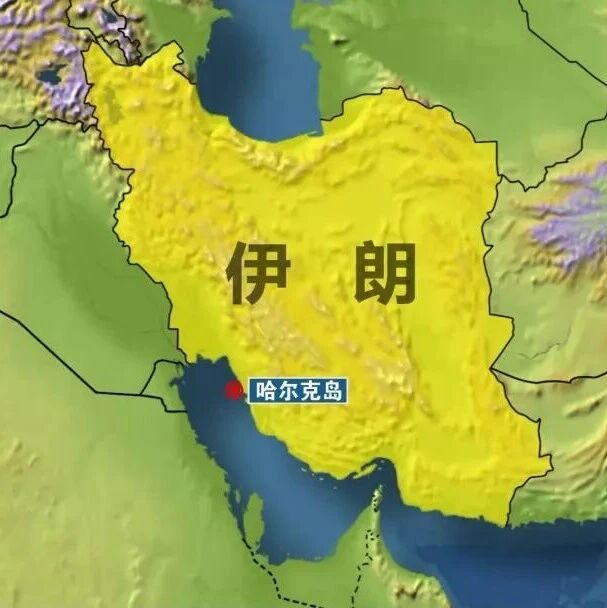
Core Viewpoint - The situation in Iran has escalated, with warnings from Iranian military officials about potential retaliation against U.S. interests if Iranian oil and economic infrastructure are attacked. This has raised concerns about the risk of war and the potential for oil prices to spike uncontrollably [1][2]. Group 1: Iranian Military Actions and Warnings - Iranian military spokesperson warned that any attack on Iran's oil, economic, and energy infrastructure would lead to the destruction of all U.S.-affiliated oil companies in the region [2]. - A retired U.S. military officer indicated that the U.S. attack on the oil export hub of Khark Island has increased the risk of war, suggesting that the conflict could escalate beyond military targets to economic ones [2]. - The Iranian Revolutionary Guard Corps launched a military operation named "Real Commitment-4," targeting Israeli and U.S. military bases in the region, indicating a significant escalation in military actions [5]. Group 2: Impact on Oil Prices - Following the U.S. airstrikes on Khark Island, Brent crude oil prices rose above $100 per barrel, marking the highest level in over three years, while WTI approached $99 per barrel, the highest since July 2022 [3][4]. - Analysts suggest that if Brent crude remains above the psychological threshold of $100 per barrel, it could increase pressure on the U.S. to end military actions against Iran [4]. Group 3: Cryptocurrency Market Reaction - The cryptocurrency market reacted negatively to the escalating tensions, with Bitcoin dropping from $73,800 to around $70,000, and Ethereum falling from $2,200 to below $2,100 [1]. - In the last 24 hours, over 102,000 traders were liquidated, with a total liquidation amount of $373 million, indicating significant volatility in the crypto market [1].


美退役军官:美国对伊朗哈尔克岛发动袭击,可能导致油价“失控”
中国能源报· 2026-03-14 02:25
Core Viewpoint - The article discusses the potential escalation of conflict between the U.S. and Iran, particularly focusing on the implications of a U.S. attack on Iran's Hark Island, which could lead to uncontrollable oil price surges [1]. Group 1: Military and Economic Implications - A retired U.S. Army general, Mark Kimmitt, indicates that the U.S. attack on Hark Island has significantly increased the stakes of the conflict, evolving from merely destroying military capabilities to potentially crippling Iran's economic lifeline [1]. - Kimmitt emphasizes that the U.S. is using Hark Island as leverage to ensure Iran allows shipping through the Strait of Hormuz, which is crucial for global oil supply [1]. - The closure of the Strait of Hormuz could lead to a dramatic spike in oil prices, as it is a vital passage for oil exports [1]. Group 2: Iranian Response and Regional Stability - Kimmitt warns that if Iranian oil infrastructure is targeted, Iran may retaliate against other regional infrastructures, further destabilizing the Middle East [1]. - The article highlights that Hark Island is a key hub for Iranian oil exports, and any military action against it could provoke a strong response from Iran, as indicated by Iranian parliamentary speaker Ghalibaf's statement about abandoning restraint if attacked [1].
油价要失控?战争溢价还能持续多久
凤凰网财经· 2026-03-08 10:09
Core Viewpoint - The recent surge in oil prices, driven by geopolitical tensions in the Middle East, particularly the closure of the Strait of Hormuz, poses significant implications for global inflation expectations and monetary policy, especially for the Federal Reserve [2][5]. Group 1: Oil Price Dynamics - Oil prices are influenced by geopolitical events; without such disruptions, sustained price increases are challenging [6]. - The global economic cycle significantly impacts oil demand, which is currently weakening due to slowing economic growth and inflationary pressures in the U.S. [6][7]. - The oil supply is relatively elastic, allowing producers to quickly adjust output in response to price changes, which can suppress price increases [7][8]. Group 2: OPEC and Global Supply - OPEC and OPEC+ play crucial roles in regulating global oil supply, controlling approximately 45%-50% of the world's oil production [11]. - OPEC members rely heavily on oil revenues, with specific countries having breakeven oil prices ranging from $73.5 to $137.7 per barrel [13][14]. - Russia's oil revenue is critical for its budget, contributing 30%-40% of its income, and it collaborates with OPEC to stabilize oil prices [17][18]. Group 3: Market Reactions and Predictions - The current rise in oil prices is largely due to supply disruption expectations, but this may not lead to a long-term trend without actual supply shortages [21][23]. - The situation in the Strait of Hormuz is pivotal; if it remains blocked, significant production cuts could occur, with estimates suggesting a potential reduction of up to 470,000 barrels per day [25][26]. - If the conflict persists, oil prices could exceed $100 per barrel, leading to broader impacts on capital markets [26][27].
油价要失控?
虎嗅APP· 2026-03-07 13:30
Core Viewpoint - The article discusses the recent surge in oil prices due to geopolitical tensions in the Middle East, particularly the closure of the Strait of Hormuz, and explores the implications of potential oil price instability on global markets [2][4]. Group 1: Oil Price Dynamics - As of March 6, 2026, Brent crude oil prices reached $94.35 per barrel, nearing previous highs due to renewed conflict in the Middle East [2]. - Oil prices are not just a commodity price; they influence global inflation expectations, the Federal Reserve's policy path, and the re-pricing of global interest rates [4]. - A sustained rise in oil prices above $100 per barrel could lead to significant long-term impacts on global capital markets, transforming oil prices into a macroeconomic variable rather than just a short-term fluctuation [4][23]. Group 2: Supply and Demand Factors - Without geopolitical disruptions, oil prices struggle to maintain a sustained upward trend, as global economic slowdowns weaken oil demand growth [5][6]. - The current global oil supply is approximately 100 million barrels per day, with major producers including the U.S., Russia, and Saudi Arabia, which can quickly adjust supply in response to price changes [9][12]. - OPEC and OPEC+ play a crucial role in regulating oil supply, controlling about 45%-50% of global oil production, and have significant idle capacity to buffer against supply disruptions [12][16]. Group 3: Geopolitical Risks and Market Reactions - The ongoing conflict in the Middle East has led to supply disruptions, particularly affecting the Strait of Hormuz, through which nearly 20% of global oil consumption is transported [27]. - If the Strait remains closed, supply cuts could escalate, with predictions of forced production cuts reaching 330,000 barrels per day within a week, potentially rising to 470,000 barrels per day by the 18th day [28]. - The U.S. is considering military protection for oil tankers in the Strait, which may alleviate some market concerns regarding supply interruptions [28]. Group 4: Future Oil Price Projections - If the conflict is short-lived and the Strait reopens within two weeks, Brent crude prices are expected to fluctuate between $80 and $90 per barrel [29]. - However, if the conflict extends for 3-4 weeks, prices could exceed $100 per barrel, leading to significant market impacts across various sectors [29][30]. - The article suggests a diversified investment strategy to mitigate risks associated with potential oil price instability, focusing on sectors that may benefit from rising oil prices [30].