
油电混动技术

Search documents
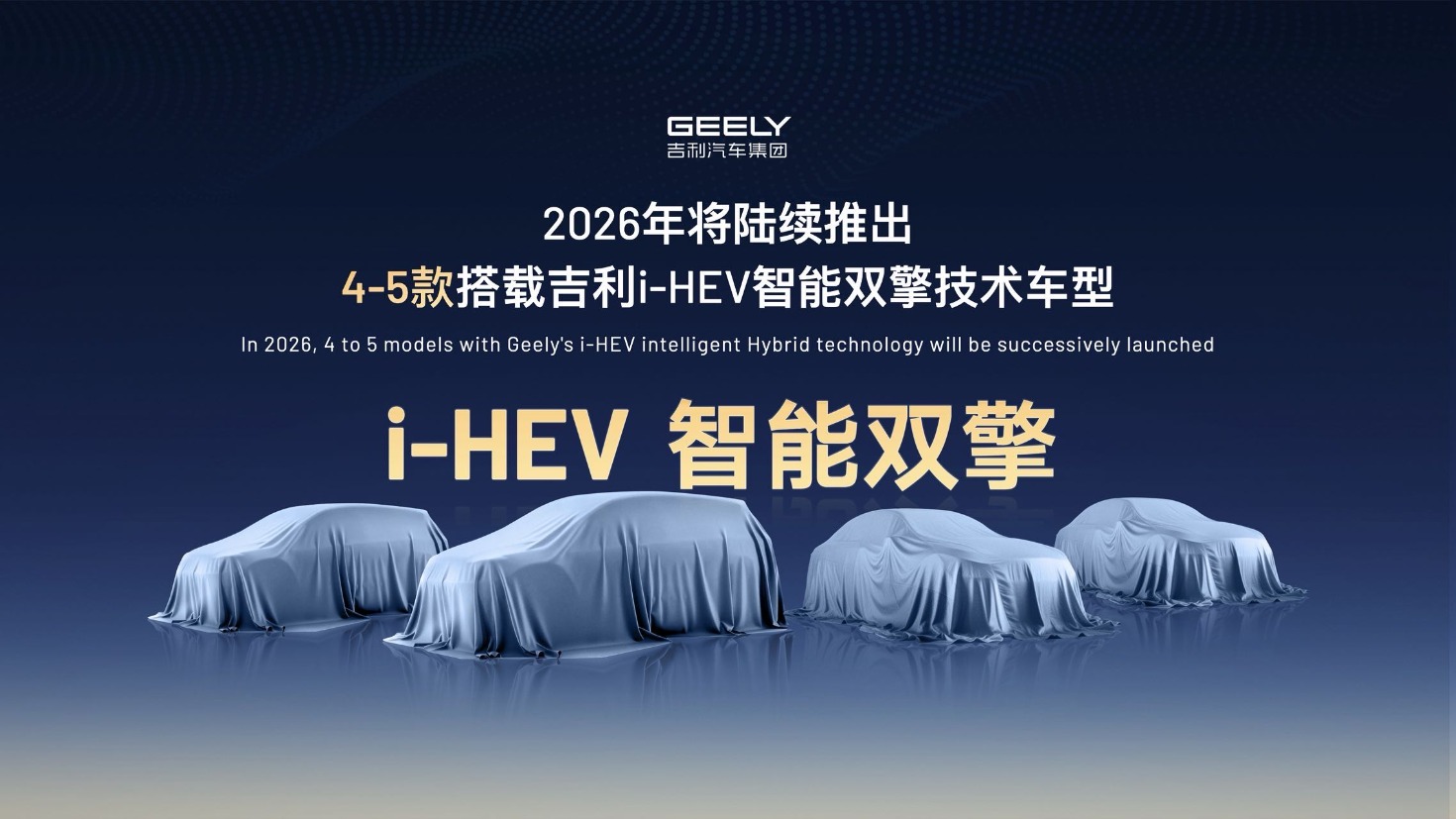
吉利上半年将发布i-HEV智能双擎 并推4—5款新车
Zhong Guo Jing Ying Bao· 2026-01-22 16:23
Group 1 - The core viewpoint is that Geely Auto Group plans to launch a new generation of hybrid technology, i-HEV intelligent dual-engine, in the first half of 2026, which aims to surpass Japanese hybrid technology [1] - The i-HEV intelligent dual-engine integrates the best global power systems and leading three-electric technologies, and is the first hybrid system to apply "AI cloud power," reducing fuel consumption to 3L per 100 kilometers for HEV models [3] - Geely aims to release 4 to 5 new models, with 1 to 2 new products launched each quarter in 2026, targeting a total annual sales goal of 3.45 million vehicles across various market segments from mainstream to luxury and from fuel to new energy [3]


国补退场叠加外交波动 丰田(TM.US)在华销量锐减12%拖累全球表现
Zhi Tong Cai Jing· 2025-12-25 07:12
Core Viewpoint - Toyota's global sales and production have declined due to the suspension of government subsidies in China, with a significant drop in sales in the Chinese market impacting overall performance [1]. Group 1: Sales and Production Performance - In November, Toyota's global sales decreased by 1.9% year-on-year, totaling 965,919 vehicles, while production fell by 3.4% to 934,001 vehicles [1]. - Sales of Toyota and Lexus brands in China dropped by 12% year-on-year due to the suspension of vehicle replacement subsidies in key Chinese cities [1]. Group 2: Regional Production Trends - In contrast to the decline in China, Toyota's production in Thailand increased by 15% year-on-year, and in the U.S., it rose by 9% [2]. - The production in China saw a year-on-year decline of 14%, while Japan and the UK recorded decreases of 9.7% and 7.9%, respectively [2]. Group 3: Industry Context and Policy Impact - The automotive industry is facing uncertainties such as escalating trade tensions, frequent regulatory changes, and an unclear macroeconomic outlook, with Toyota's performance reflecting these challenges [1]. - The recent adjustment of the EU's fuel vehicle ban may provide traditional automakers like Toyota with greater flexibility in electric vehicle production, potentially opening new market opportunities for Chinese electric vehicle manufacturers [2]. Group 4: Trade Relations and Strategic Moves - Toyota is involved in the U.S. trade policy landscape, having been a target of high tariffs on imported vehicles and parts during Trump's administration [2]. - Recently, Toyota announced plans to return three U.S.-produced models to Japan, interpreted as a gesture of goodwill towards Trump [3].
