流感预防与治疗

Search documents
美国流感活动水平持续上升,感染病例超750万
Xin Lang Cai Jing· 2026-01-01 07:30
Group 1 - The core viewpoint of the articles highlights the rising flu activity levels across the United States, with approximately 7.5 million cases reported this flu season, including around 81,000 hospitalizations and about 3,100 deaths [1][2] - The dominant flu virus this season is the H3N2 strain, with 89.5% of analyzed samples belonging to the K lineage of the H3N2 virus [1] - The CDC has distributed approximately 130 million doses of the flu vaccine this season and recommends annual vaccination for individuals aged 6 months and older to reduce the risk of infection and severe outcomes [1][2] Group 2 - The flu season in the U.S. typically peaks from December to February, and annual vaccination helps prevent flu infections, reduces severe cases, hospitalizations, and deaths, and minimizes community transmission [2] - Early use of antiviral medications is crucial for high-risk groups, such as the elderly and those with chronic conditions, after flu infection [2]
冬季流感“大考” 这份锦囊请收好
Hang Zhou Ri Bao· 2025-12-05 02:33
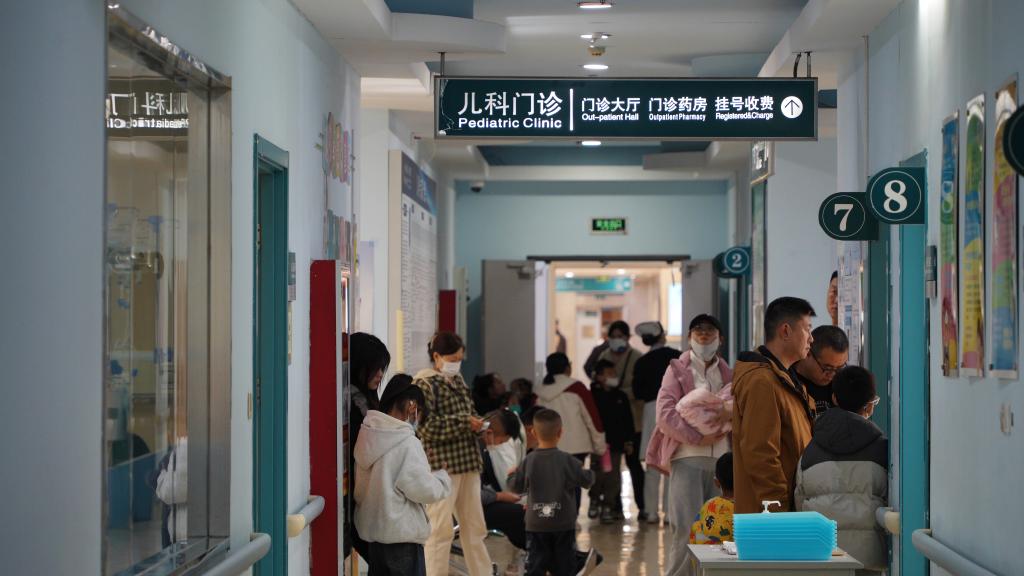
Core Viewpoint - The recent increase in pediatric patients with flu-like symptoms in Zhejiang indicates a significant rise in respiratory infections, prompting health authorities to recommend early flu vaccinations as a preventive measure [3][4]. Group 1: Current Situation - Hospitals in Zhejiang, including Zhejiang University of Traditional Chinese Medicine Second Hospital and Zhejiang Provincial Hospital of Traditional Chinese and Western Medicine, have reported a noticeable increase in pediatric outpatient visits due to fever, cough, and sore throat [3]. - The city’s disease control center anticipates that influenza will be a major acute respiratory infectious disease this winter and spring, urging citizens to get vaccinated early [3]. Group 2: Flu Characteristics and Risks - Influenza, caused by the influenza virus, is more contagious and has more severe symptoms compared to the common cold, with current cases showing high fever above 39 degrees Celsius, chills, cough, sore throat, and nasal congestion [4]. - The predominant strain this season is the H3N2 subtype, contrasting with last year's H1N1 subtype, and immunity from previous infections may wane over time, making reinfection possible [4]. - High-risk groups, including children, the elderly, pregnant women, and those with chronic illnesses, are more susceptible to severe complications like pneumonia and respiratory failure [4]. Group 3: Medical Recommendations - Health experts recommend that parents seek medical attention promptly if children exhibit flu symptoms, especially if they show signs of severe illness such as lethargy or difficulty breathing [4][5]. - Vaccination is emphasized as the most effective means of preventing influenza and reducing the risk of severe complications, with effective immunity typically developing 2-4 weeks post-vaccination [4]. Group 4: Misconceptions and Treatment Guidelines - Parents are advised against the blind use of antibiotics for viral infections, as they are ineffective unless a secondary bacterial infection occurs [5]. - It is recommended that children with flu-like symptoms wear masks and avoid public transport to prevent virus transmission, and those diagnosed with influenza should isolate at home until symptoms resolve [7]. - Common misconceptions include the inappropriate use of cough suppressants, reliance on sweating to reduce fever, and the ineffectiveness of home remedies like ginger water for treating influenza [8][9][10].

北京流感流行季较去年提前约4周,或已达峰
Xin Jing Bao· 2025-12-03 06:16
Core Insights - The primary respiratory infectious disease in Beijing is influenza, with no co-circulation of other respiratory pathogens reported. The number of patients visiting fever clinics is below the peak levels of the past two years [1] - Influenza activity in Beijing has been increasing since late October, entering an epidemic phase by mid-November, approximately four weeks earlier than the 2024-2025 flu season [1] - The positivity rate for influenza-like cases is currently higher than the peak of the 2024-2025 season but lower than the peak in March 2023. The upward trend in influenza cases has begun to slow, indicating that the intensity of influenza activity may have peaked [1] - The dominant strain of the current influenza outbreak is the H3N2 subtype, accounting for 99.8% of cases. The expected vaccine efficacy is similar to previous years [1] - A total of 224.4 million doses of the influenza vaccine have been administered in Beijing since September, representing a 9.7% increase compared to the same period last year [2] Group 1 - The Beijing CDC has implemented free influenza vaccination for schoolchildren, seniors aged 60 and above, and key industry workers, with 471 clinics providing vaccination services [1] - Preventive measures recommended include frequent handwashing, wearing masks, and avoiding crowded places, especially in childcare institutions [3] - Health monitoring and reporting systems are emphasized in elderly care facilities to ensure early detection and treatment of flu symptoms [3]
高峰期已到,流感“预防药”谁能吃、怎么吃?专家释疑
Xin Jing Bao· 2025-12-01 04:34
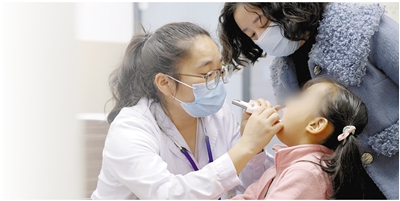
Core Insights - The flu activity in China is rapidly increasing, with the overall flu epidemic at a moderate level, and Beijing has entered the peak period of flu [1][3] Group 1: Flu Situation and Monitoring - The Beijing Municipal Health Commission reported that the flu has reached its peak, with the circulating strain being H3N2, which is still below historical peaks compared to previous seasons [3] - A "three-medical linkage" monitoring and scheduling mechanism has been established by the Beijing Municipal Health Commission, Medical Insurance Bureau, and Drug Administration to ensure a balanced supply and demand of flu medications [3] Group 2: Vaccination and Preventive Measures - The flu vaccine in Beijing will continue to be available for self-paid vaccination until the end of February 2026, with various methods for citizens to make appointments [3] - Preventive medication is recommended primarily for high-risk individuals who have not been vaccinated or are in close contact with confirmed cases, with a recommended usage window of within 48 hours post-exposure [5] Group 3: Pediatric Care and Hospital Response - The Beijing Children's Hospital has seen a significant increase in respiratory disease consultations since November, with a 20% rise in patient visits noted in the third week of November [7] - The hospital has increased its medical staff by approximately 15% and is providing online consultations to reduce the risk of cross-infection during peak times [7][8] Group 4: Future Actions - The Beijing Municipal Health Commission will continue to closely monitor the disease's spread and ensure medical service support for children's respiratory diseases [9]
流感来了,怎么看?怎么防?怎么治?
Xin Hua Wang· 2025-11-16 03:56
Core Insights - The article highlights the rising trend of respiratory infectious diseases in China, particularly influenza, as the country enters the high season for such illnesses. Experts emphasize the need for early prevention and treatment due to the high transmissibility and severity of influenza compared to the common cold [1][2]. Group 1: Influenza Overview - Influenza is characterized by high fever (over 39°C) and body aches, with strong transmissibility during the incubation period. It poses a higher risk to vulnerable populations, such as the elderly with pre-existing conditions like hypertension, heart disease, and diabetes [2]. Group 2: Prevention Strategies - Annual vaccination is the most effective and economical method for preventing influenza, as the virus strains mutate each year. Special assessments are recommended for certain groups before vaccination, including those with recent heart procedures or a history of vaccine allergies [3]. - Daily preventive measures include hand washing, ventilation, wearing masks, and avoiding crowded places. Maintaining a strong immune system through a balanced diet, regular exercise, and adequate sleep (7-8 hours for adults) is also crucial [5]. Group 3: Medical Advice - Individuals experiencing high fever and body aches should seek medical attention promptly. Self-diagnosis can lead to misjudgment, and antiviral medications may not be effective without proper diagnosis. The use of certain herbal remedies, like Banlangen granules, is not recommended for influenza treatment [6].