
法维拉韦

Search documents
征祥医药冲击IPO,剑指流感市场,竞争格局正在变差
Ge Long Hui A P P· 2026-02-05 09:20
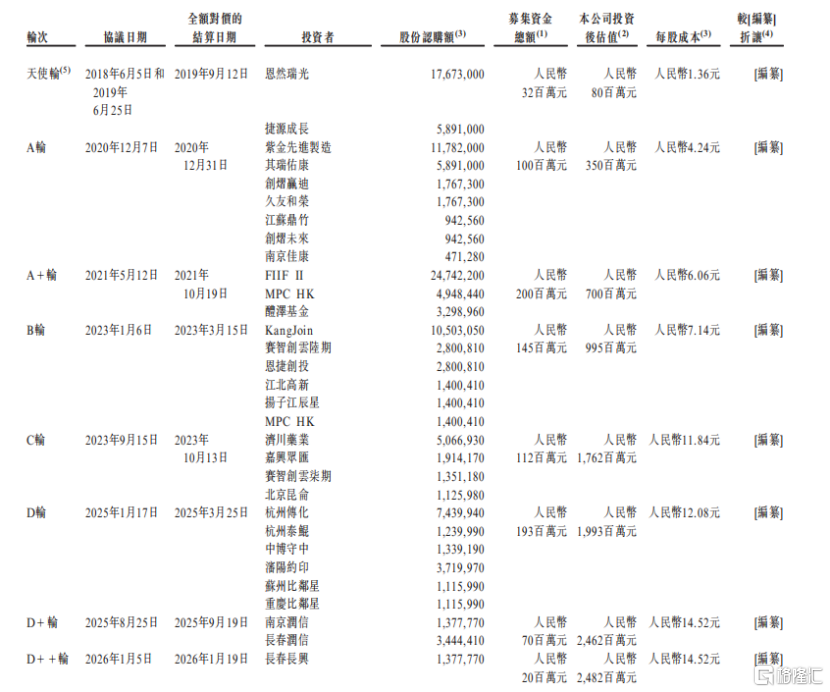
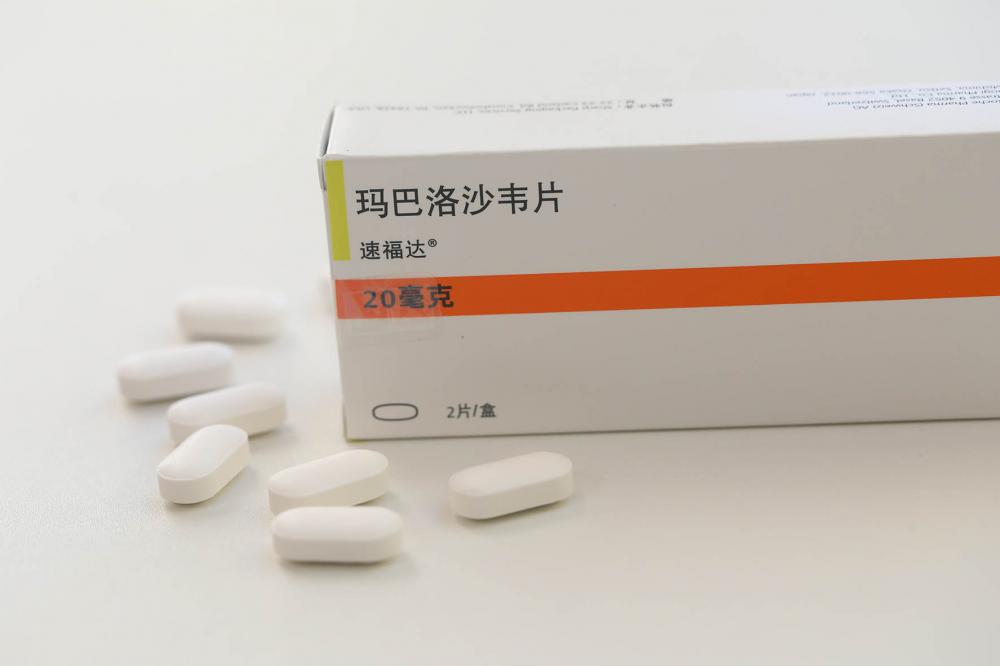
Group 1 - Seasonal influenza impacts approximately 1 billion people globally each year, with 3 to 5 million cases developing into severe illness and 290,000 to 650,000 deaths due to influenza-related respiratory diseases [1] - The domestic influenza treatment drug market is currently dominated by Dongyangguang Pharmaceutical with Oseltamivir, but new players are rapidly emerging since 2025 [1] - Zhengxiang Pharmaceutical is seeking to list on the Hong Kong Stock Exchange, having submitted its application on January 30, with CICC as its sole sponsor [2][4] Group 2 - Zhengxiang Pharmaceutical's antiviral drug, Marcilosavir, has already been approved for market release, distinguishing it from most other 18A companies [3] - The company was founded in 2018 and has undergone multiple rounds of financing, raising a total of 872 million RMB, with a post-investment valuation of 2.48 billion RMB as of January 2026 [4][5] - The company has a drug portfolio that includes six assets, with Marcilosavir being the core product, which is a new generation antiviral targeting influenza [10][12] Group 3 - The global market for influenza treatment and prevention drugs is projected to reach $4.8 billion by 2024, with China contributing $1.7 billion [16] - The Chinese market for antiviral drugs is expected to grow to 13.6 billion RMB by 2035, with PA inhibitors and other antiviral drugs accounting for 13 billion RMB [17] - Marcilosavir faces competition from several established products, including Roche's Baloxavir and others, with pricing set at 222 RMB per box, which is higher than some competitors [20] Group 4 - Zhengxiang Pharmaceutical reported zero revenue for 2024 and 400,000 RMB for the first nine months of 2025, primarily from regulatory support services for Marcilosavir [23] - The company incurred losses of approximately 145 million RMB for both 2024 and the first nine months of 2025, totaling around 290 million RMB in cumulative losses [23] - The company collaborates with a national CSO, Jichuan Pharmaceutical, to enhance market share through its established distribution network [24] Group 5 - The company has a total of 52 R&D personnel, with significant expenditures on drug development, amounting to 100 million RMB and 81.6 million RMB in R&D costs for the respective reporting periods [23] - As of November 2025, the company had cash and cash equivalents of 523 million RMB and term deposits of 141 million RMB [27] - The overall cash flow from operating activities showed a net outflow of 1.06 billion RMB for 2024, indicating financial challenges [28]

印度尼帕病毒疫情带飞个股,专家称传播性相对有限
Xin Lang Cai Jing· 2026-01-27 12:59
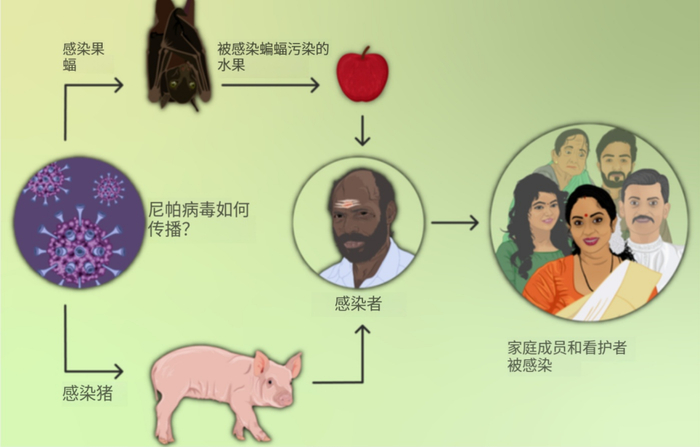
Group 1 - The recent outbreak of Nipah virus disease in West Bengal, India, has raised significant concern, with 5 confirmed cases reported, including healthcare workers, and nearly 100 individuals under home quarantine [1] - The impact of the Nipah virus outbreak on China is relatively minor, with no cases reported in the country, although there is a risk of imported cases that necessitates enhanced preventive measures [1][2] - Nipah virus has been known for over 20 years, with its first outbreak occurring in Malaysia in 1998, and it primarily affects South Asia and Southeast Asia [1][2] Group 2 - The Nipah virus primarily damages the central nervous system (90%) and respiratory system (62%), with a high fatality rate ranging from 40% to 75% [2] - Experts indicate that the Nipah virus has a low basic reproduction number (R₀) compared to influenza or COVID-19, and there have been no reports of large-scale airborne transmission [4] - Current antiviral treatments for Nipah virus are limited, with no approved drugs or vaccines available, although Ribavirin may be effective for treating Nipah virus encephalitis [4][5] Group 3 - Recent research has shown that VV116 has antiviral activity against Nipah virus in vitro and can improve survival rates in mouse models, indicating potential for treatment [4][5] - Several companies have reported possessing Nipah virus testing technology or products, but they have not yet achieved significant revenue from these offerings [6] - The most common testing method for Nipah virus is nucleic acid testing, and public health departments are equipped to handle such testing, which is deemed sufficient for current needs [6]




“奥司他韦出现耐药”冲上热搜!专家:可能出现敏感性下降,但耐药率很低,不必恐慌
Yang Zi Wan Bao Wang· 2025-12-04 11:58
Core Viewpoint - The flu season has intensified, leading to increased consultations and concerns about the effectiveness of the antiviral drug Oseltamivir, particularly regarding its resistance rates [1]. Group 1: Efficacy of Oseltamivir - Current data suggests that while there may be a slight decrease in sensitivity of Oseltamivir against H1N1 and H3N2 strains, the resistance rate is not significantly high, with WHO reporting it at under 2% [1]. - In China, the latest monitoring indicates that 3.99% of A(H1N1)pdm09 strains show reduced sensitivity to neuraminidase inhibitors, but this should not cause excessive alarm [1]. - Oseltamivir remains a crucial first-line treatment for influenza despite some cases of reduced sensitivity due to improper use of the medication [1]. Group 2: Treatment Recommendations - If a patient does not show improvement after 48 hours of taking Oseltamivir, it may be necessary to consider potential resistance and conduct sensitivity testing [1]. - Alternatives to Oseltamivir include RNA polymerase inhibitors such as Baloxavir, Laninamivir (for H1N1), and Favipiravir (for cases where other antivirals are ineffective) [2]. - For severe cases or patients unable to take oral medication, inhaled drugs like Zanamivir or intravenous options like Peramivir can be utilized [2]. Group 3: Guidelines for Use - It is advised that patients with symptoms should use antiviral medications under the guidance of healthcare professionals to ensure proper usage [2]. - The standard treatment course for Oseltamivir is 5 days, with a recommended dosage of 75mg twice daily for adults and adolescents over 13 [2]. - Vaccination against influenza is emphasized as an effective preventive measure, ideally completed before October each year to reduce the risk of complications and resistance [2].
高峰期已到,流感“预防药”谁能吃、怎么吃?专家释疑
Xin Jing Bao· 2025-12-01 04:34
Core Insights - The flu activity in China is rapidly increasing, with the overall flu epidemic at a moderate level, and Beijing has entered the peak period of flu [1][3] Group 1: Flu Situation and Monitoring - The Beijing Municipal Health Commission reported that the flu has reached its peak, with the circulating strain being H3N2, which is still below historical peaks compared to previous seasons [3] - A "three-medical linkage" monitoring and scheduling mechanism has been established by the Beijing Municipal Health Commission, Medical Insurance Bureau, and Drug Administration to ensure a balanced supply and demand of flu medications [3] Group 2: Vaccination and Preventive Measures - The flu vaccine in Beijing will continue to be available for self-paid vaccination until the end of February 2026, with various methods for citizens to make appointments [3] - Preventive medication is recommended primarily for high-risk individuals who have not been vaccinated or are in close contact with confirmed cases, with a recommended usage window of within 48 hours post-exposure [5] Group 3: Pediatric Care and Hospital Response - The Beijing Children's Hospital has seen a significant increase in respiratory disease consultations since November, with a 20% rise in patient visits noted in the third week of November [7] - The hospital has increased its medical staff by approximately 15% and is providing online consultations to reduce the risk of cross-infection during peak times [7][8] Group 4: Future Actions - The Beijing Municipal Health Commission will continue to closely monitor the disease's spread and ensure medical service support for children's respiratory diseases [9]
抗流感药需求激增:市场“厮杀”升级 谁能抢占C位?
2 1 Shi Ji Jing Ji Bao Dao· 2025-11-04 23:04
Core Viewpoint - The flu poses significant public health risks, especially during the peak travel season coinciding with the flu season, necessitating effective antiviral treatments and preventive measures [1][5][7]. Market Demand - The optimization of China's exit and entry policies has led to a surge in outbound travel, with projections indicating over 155 million outbound trips by 2025, contributing to the global spread of flu [5]. - The World Health Organization estimates around 1 billion seasonal flu cases annually, resulting in 290,000 to 650,000 deaths, highlighting the severity of flu outbreaks [5]. - The overlap of the winter-spring travel peak and flu season raises concerns for public health systems, particularly for vulnerable populations [5][6]. Treatment Options - Antiviral treatment is crucial for flu management, with the most effective results achieved within 48 hours of symptom onset [1][7]. - The primary antiviral medications available in China include Oseltamivir and Baloxavir Marboxil, both effective against influenza A and B [1][8]. - The expert consensus emphasizes vaccination as the primary preventive measure against flu, particularly for high-risk groups [7][8]. Competitive Landscape - The flu medication market in China has become increasingly competitive, especially after the expiration of Oseltamivir's patent in 2016, leading to a surge in generic versions [2][9]. - As of November 2025, there are nearly 140 approved products related to Oseltamivir in China, indicating a highly saturated market [9]. - Baloxavir Marboxil, a second-generation flu treatment, has gained market traction since its approval in 2021, with sales expected to exceed 1.5 billion yuan by 2024 [10][11]. Market Growth Potential - The Chinese flu medication market was valued at 10.74 billion yuan in 2023, reflecting a year-on-year growth of 197.51% [11]. - Projections indicate a compound annual growth rate of 20.2% from 2024 to 2028, with the market potentially reaching 26.9 billion yuan by 2028 [11].


医药生物行业周报:流感提前进入活跃期、流行毒株变化,关注呼吸道疾病用药市场-20251028
Shanghai Securities· 2025-10-28 08:57
Investment Rating - The industry investment rating is "Overweight (Maintain)" [1] Core Viewpoints - The report highlights that the flu season in China may arrive earlier this year, with different circulating strains compared to last year, indicating a potential increase in demand for antiviral medications and vaccines related to respiratory diseases [4][6] - The report emphasizes the importance of monitoring the market for respiratory disease medications, particularly antiviral drugs and flu vaccines, due to the anticipated rise in flu cases [5][6] Summary by Relevant Sections Industry Overview - The report focuses on the pharmaceutical and biotechnology industry, particularly in the context of respiratory diseases and flu medications [1] Market Trends - The flu season is expected to start earlier this year, with the predominant strain being H3N2, which may lead to lower immunity in the population compared to last year [4] - The report notes that acute respiratory infections pose a significant health risk, especially with the changing virus strains [4] Investment Recommendations - The report suggests focusing on companies involved in respiratory disease medications such as Teva Pharmaceutical, Zhongsheng Pharmaceutical, Yiling Pharmaceutical, and others [6] - It also recommends paying attention to flu vaccine manufacturers like Hualan Biological Engineering and Baike Biological [6]
蜱虫叮咬或致急性传染病 专家:夏季出行谨防病毒
Zhong Guo Xin Wen Wang· 2025-07-06 08:21
Core Viewpoint - The article highlights the rising health risks associated with tick-borne diseases, particularly the new Bunyavirus, during the summer months when outdoor activities increase the likelihood of exposure to ticks [1][2][3] Group 1: Disease Overview - The new Bunyavirus, responsible for the febrile illness with thrombocytopenia syndrome, has a mortality rate of 15% to 30% and is prevalent in mountainous and hilly areas, with cases occurring year-round but peaking in spring and summer [2] - Tick bites are the primary transmission route for this disease, and the incubation period can range from 1 to 2 weeks, with human-to-human transmission cases typically showing a shorter incubation period of 6 to 9 days [2] Group 2: Symptoms and Diagnosis - Initial symptoms of the disease include high fever, fatigue, loss of appetite, nausea, and vomiting, with severe cases potentially leading to skin bruising, gastrointestinal bleeding, and even coma due to circulatory or respiratory failure [2] - A case study of a 73-year-old woman revealed a rapid decline in white blood cell and platelet counts, prompting immediate testing for the new Bunyavirus, which returned positive [3] Group 3: Treatment and Prevention - Following diagnosis, the patient received antiviral treatment and supportive care, leading to gradual improvement in her condition over a week [3] - Experts recommend that individuals in endemic areas take preventive measures such as wearing long sleeves and pants, using insect repellent, and seeking medical attention promptly if symptoms arise [3]