
海外市场竞争

Search documents
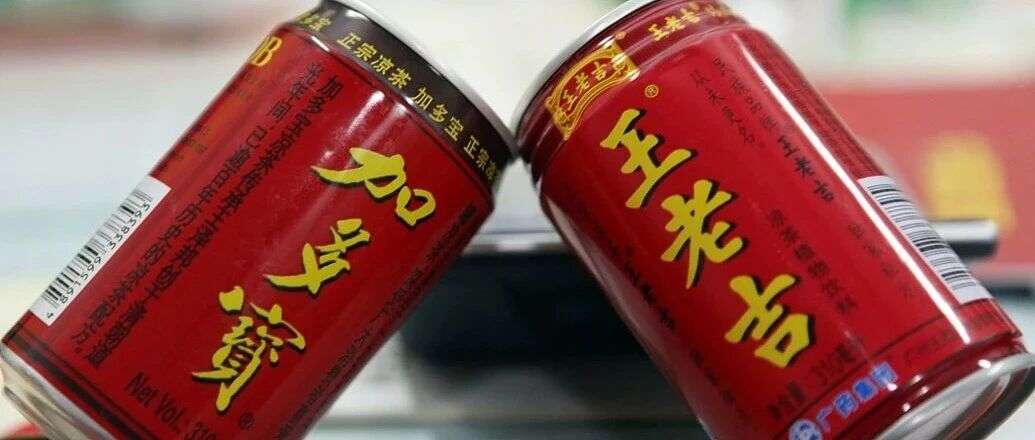
加多宝和王老吉,又“打起来了”
新浪财经· 2025-10-11 08:36
Core Viewpoint - The ongoing trademark dispute between Jia Duo Bao and Wang Lao Ji has escalated to include overseas trademark rights, highlighting the intensifying competition in international markets [2][11][15]. Trademark Dispute Overview - Wang Lao Ji accused Jia Duo Bao of maliciously registering the "Wang Lao Ji" trademark overseas through offshore companies [2][11]. - Jia Duo Bao claims to have legally acquired the overseas trademark rights in the 2000s and has registered the trademark in over 60 countries [6][11]. - Both companies cite different legal rulings to support their claims, with Jia Duo Bao referencing victories in Canadian and EU courts, while Wang Lao Ji has initiated challenges in 21 countries against Jia Duo Bao's registrations [12][11]. Historical Context - The trademark conflict began after a partnership between Hongdao Group (Jia Duo Bao's controlling entity) and Guangzhou Pharmaceutical Group ended in 2011, leading to numerous lawsuits over trademarks and branding [14]. - Significant legal battles have occurred, including a 2018 ruling that ordered Jia Duo Bao to pay 1.44 billion yuan in damages, which was later overturned by the Supreme People's Court [14]. Market Expansion and Growth - The competition has shifted from domestic to international markets, with both companies vying for dominance in the growing global plant-based beverage sector [15][17]. - The global plant beverage market is projected to grow at a compound annual growth rate of nearly 10% from 2019 to 2024, with Southeast Asia and the Middle East identified as key growth areas [17]. - Wang Lao Ji's international market has reportedly grown 6.5 times over the past decade, with a compound annual growth rate exceeding 25% [17]. - Wang Lao Ji's parent company reported a revenue of 6.499 billion yuan in the first half of 2025, reflecting an 8.38% year-on-year increase, while net profit rose by 15.87% [17].

加多宝和王老吉,又“打起来了”
中国基金报· 2025-10-10 15:14
Core Viewpoint - The ongoing trademark dispute between Jia Duo Bao and Wang Lao Ji has escalated, focusing on the overseas trademark ownership of "Wang Lao Ji" as both companies compete in international markets [2][10]. Group 1: Trademark Dispute - On September 30, Wang Lao Ji accused Jia Duo Bao of maliciously registering the "Wang Lao Ji" trademark overseas through offshore companies [3]. - Jia Duo Bao responded on October 10, asserting that it legally acquired the overseas trademark ownership in the 2000s and has registered it in over 60 countries [7][12]. - Both companies cite different legal rulings to support their claims, indicating a complex legal landscape surrounding the trademark ownership [13]. Group 2: Legal Background - The trademark conflict has been ongoing for years, with significant legal battles since their partnership ended in 2011, involving numerous lawsuits and substantial financial stakes [16]. - In 2018, a court ruled that Jia Duo Bao owed 1.44 billion yuan to Wang Lao Ji, but this was later overturned by the Supreme People's Court due to evidence issues [16]. - A recent ruling in July 2023 found Jia Duo Bao liable for infringement, ordering compensation of 317 million yuan, which Jia Duo Bao plans to appeal [16]. Group 3: Market Dynamics - The competition has now extended to international markets, with both companies vying for dominance in the growing global plant-based beverage sector, which is projected to grow at a compound annual growth rate of nearly 10% from 2019 to 2024 [19]. - Wang Lao Ji's international brand "WALOVI" was launched on August 18, 2025, and has seen a 6.5-fold increase in overseas market size over the past decade, with a compound annual growth rate exceeding 25% [20]. - Wang Lao Ji reported a revenue of 6.499 billion yuan in the first half of 2025, reflecting an 8.38% year-on-year increase, while net profit rose by 15.87% to 1.295 billion yuan [20].
美团和滴滴,在巴西打起“外卖大战”!双方一个月已有3场官司
Xin Lang Ke Ji· 2025-08-22 10:32
Core Viewpoint - The legal battle between Chinese food delivery giants Didi's 99Food and Meituan's Keeta in Brazil centers around trademark infringement and unfair competition claims, highlighting the intense competition in the Brazilian food delivery market [1][3][9]. Group 1: Legal Disputes - 99Food has filed a lawsuit against Keeta, alleging trademark infringement due to similarities in branding, including color, graphics, and font [1][3]. - Keeta has previously filed two lawsuits against 99Food, claiming unfair competition and consumer confusion due to 99Food's high-cost keyword purchases on Google [6][9]. - The Brazilian court has already issued an injunction against 99Food in one of Keeta's lawsuits, while the second case is still pending [6][9]. Group 2: Market Competition - The competition between Didi's 99Food and Meituan's Keeta has escalated, with both companies launching operations in Brazil within a short timeframe [9][10]. - 99Food has invested 500 million Brazilian Reais (approximately 650 million RMB) in its Brazilian operations, while Keeta plans to invest 5.6 billion Brazilian Reais (approximately 730 million RMB) over five years [9][10]. - iFood, the leading local competitor, holds an 80% market share in Brazil's food delivery sector and is responding to the competition by planning to invest 17 billion Brazilian Reais (approximately 22.1 billion RMB) by March 2026 [10][11].


专打海外“同胞”,外卖巨头丢人丢到巴西了!
Jin Tou Wang· 2025-08-21 09:26
Core Viewpoint - The competition in the food delivery industry has shifted to Brazil, where two Chinese companies, 99food and keeta, are engaging in aggressive tactics against each other, reminiscent of domestic market practices, which may ultimately benefit the local leader, iFood [1][6]. Group 1: Market Context - Brazil has a population of over 200 million and a diverse economy, making it an attractive market for international companies, including those from China [1]. - The food delivery penetration rate in Brazil is only 30%, indicating significant growth potential compared to China's over 50% [2]. Group 2: Competitive Landscape - iFood, a local player, holds an 80% market share and has previously used aggressive tactics to eliminate competition, including a "choose one" strategy that forced 99food out of the market [2][6]. - The entry of both 99food and keeta into the Brazilian market has led to intense competition, with both companies employing aggressive strategies against each other [3]. Group 3: Aggressive Tactics - 99food has implemented several strategies to undermine keeta, including purchasing Google search keywords to redirect users to its platform, signing exclusive agreements with local restaurants, and filing lawsuits against keeta for alleged trademark infringement [4]. - Keeta has responded with its own legal actions, claiming that 99food's tactics constitute unfair competition [4]. Group 4: Implications for Chinese Companies - The ongoing competition between these two Chinese companies in Brazil reflects a troubling trend of replicating domestic cutthroat competition in international markets, which could harm the overall image of Chinese enterprises [6]. - The situation raises concerns about whether these companies are attempting to circumvent domestic regulatory pressures by engaging in aggressive tactics abroad [6][7].