
消费误导

Search documents
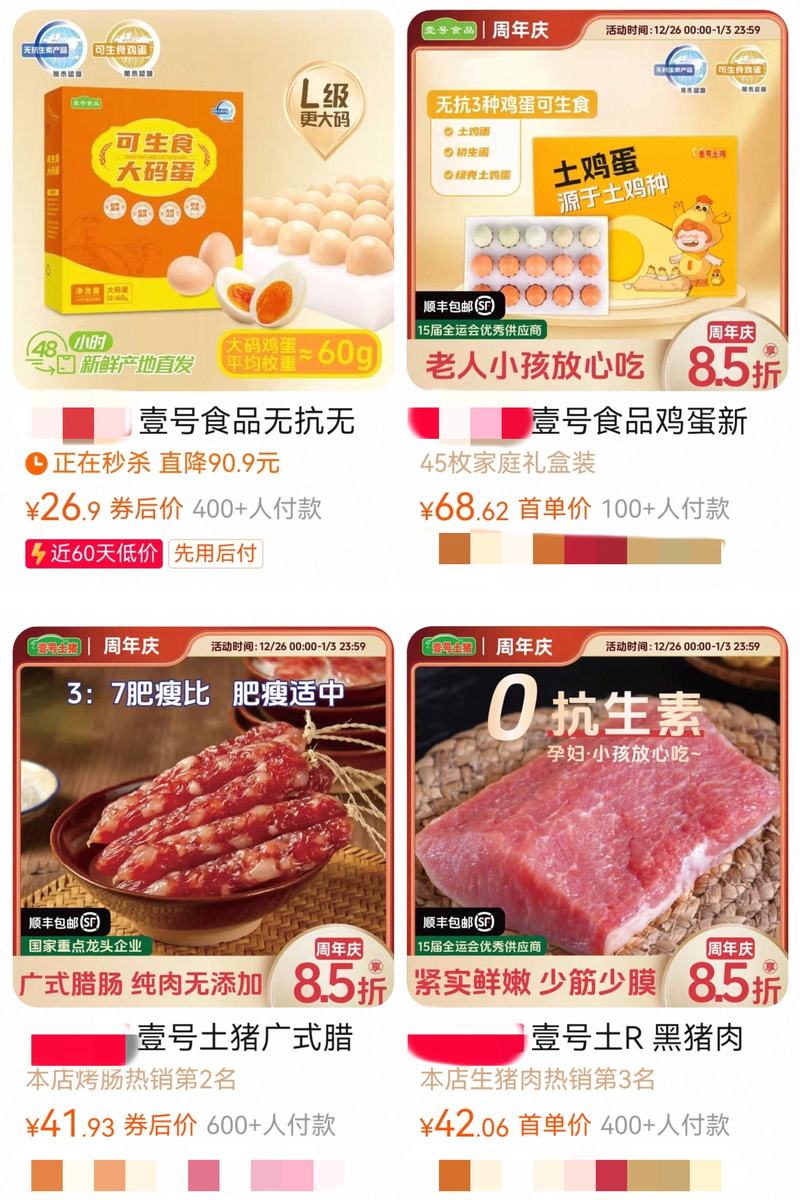
“壹号土”商标引混淆,企业更改标注
Xin Jing Bao· 2025-12-30 07:46
Core Viewpoint - The rise of "local specialty" products, such as "local pigs" and "local chickens," has led to consumer confusion due to the ambiguous boundaries between brand trademarks and product characteristics, prompting regulatory scrutiny and adjustments by companies like Yihua Food [1][2][3] Group 1: Trademark Issues - Yihua Food faced criticism for combining its registered trademark "Yihua Tu" with terms like "pig" and "chicken," leading consumers to mistakenly associate these products with traditional "local" concepts [2][3] - Legal experts indicated that the way Yihua Food used its trademarks deviated from the core function of trademarks, which is to identify the source of goods, potentially misleading consumers about the product's characteristics [2][8] - Yihua Food has made systematic changes to its branding, removing controversial terms from product listings and packaging to avoid further confusion [3][6] Group 2: Regulatory Actions and Consumer Awareness - The company has faced multiple rejections for trademark applications related to "Yihua Tu Chicken" and "Yihua Tu Egg," with reasons citing potential consumer misinterpretation and lack of distinctiveness [7] - Despite challenges, Yihua Food has successfully registered the "Yihua Tu Pig" trademark, which is valid until June 2032, and continues to apply for various related trademarks [7] - Consumer protection organizations have advised consumers to be cautious of misleading trademarks and to verify product details beyond just the prominent branding [9][10]

生鲜灯为何禁而不止
Jing Ji Ri Bao· 2025-12-23 00:03
Core Viewpoint - The use of "fresh lights" in markets creates a deceptive visual effect that misleads consumers about the freshness of meat products, violating their right to know and undermining trust in transactions [1][2]. Group 1: Regulatory Context - The 2023 "Regulations on the Quality and Safety Supervision of Edible Agricultural Products Market Sales" prohibits the use of lighting that significantly alters the sensory characteristics of food products to mislead consumers [1]. - Despite regulations, fresh lights are still commonly found in markets, and some vendors sell advanced versions that can adjust color temperature and be remotely controlled to evade inspections [1]. Group 2: Market Dynamics - The issue of fresh lights reflects management gaps in the circulation of fresh agricultural products, particularly in traditional markets where individual operators dominate, making standardized management and effective regulation challenging [2]. - Market managers often lack the ability to constrain misleading practices, especially those that are subtle and not easily detectable [2]. Group 3: Proposed Solutions - Addressing the fresh light issue could start with regulated agricultural markets, where a unified lighting system could be installed and managed, allowing for bulk purchasing to reduce costs and management difficulties [2]. - By eliminating fresh lights, a more honest and transparent market environment can be created, enhancing consumer confidence and promoting safe shopping experiences [2].