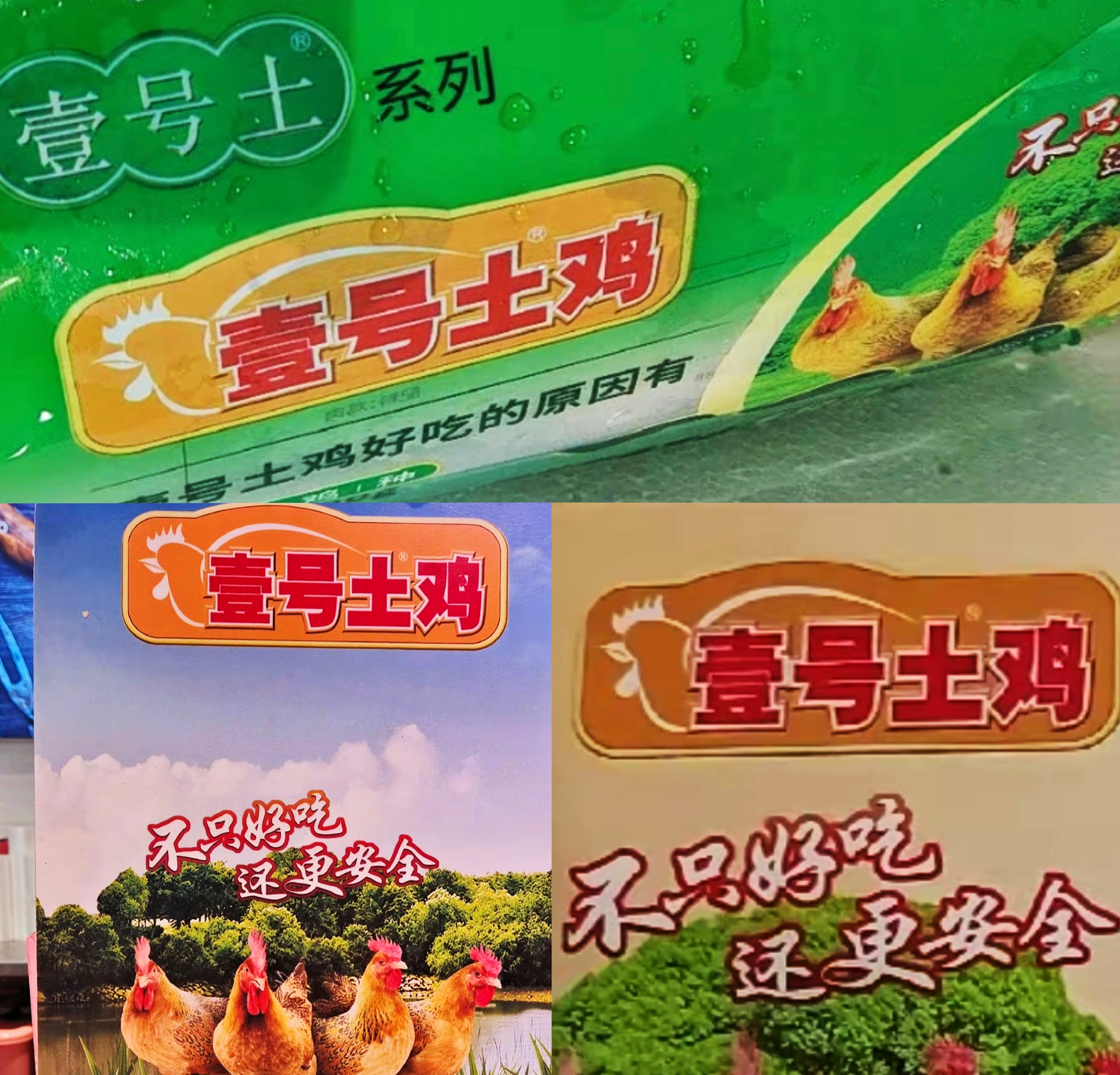
壹号土鸡

Search documents
“壹号土”商标引混淆,企业更改标注
Xin Jing Bao· 2025-12-30 07:46
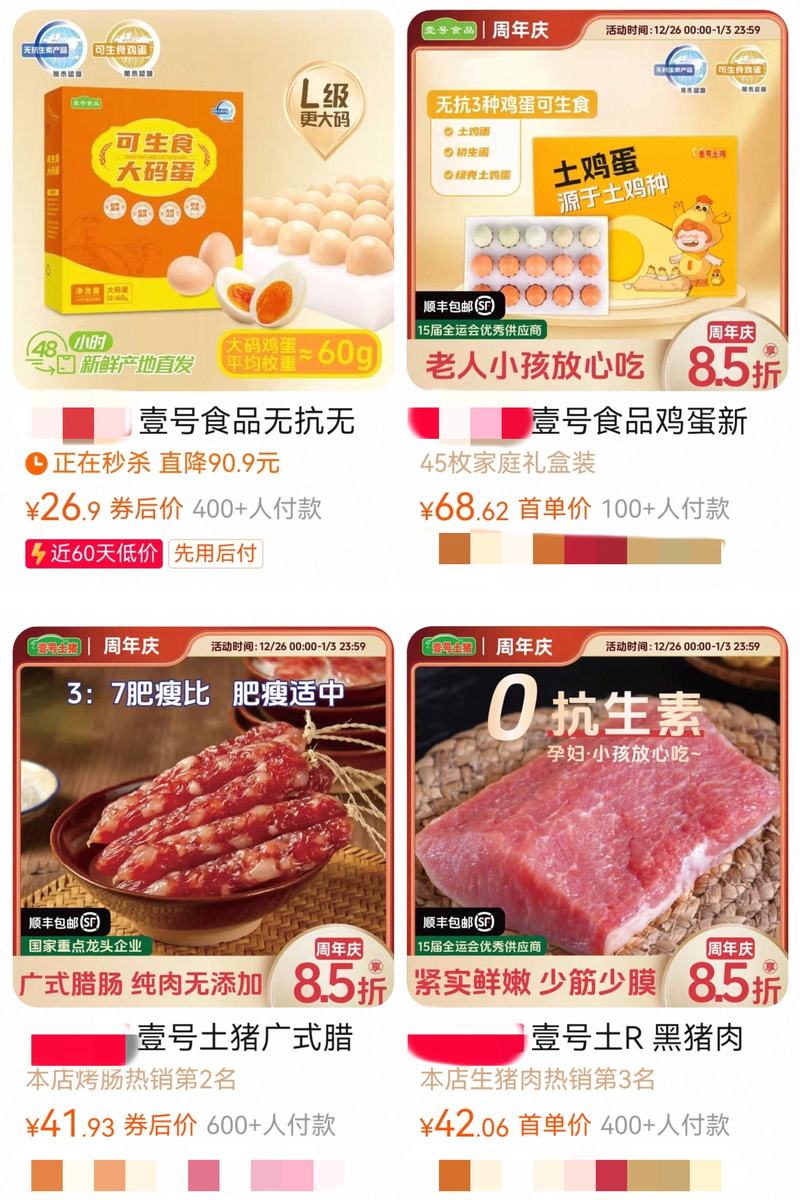
Core Viewpoint - The rise of "local specialty" products, such as "local pigs" and "local chickens," has led to consumer confusion due to the ambiguous boundaries between brand trademarks and product characteristics, prompting regulatory scrutiny and adjustments by companies like Yihua Food [1][2][3] Group 1: Trademark Issues - Yihua Food faced criticism for combining its registered trademark "Yihua Tu" with terms like "pig" and "chicken," leading consumers to mistakenly associate these products with traditional "local" concepts [2][3] - Legal experts indicated that the way Yihua Food used its trademarks deviated from the core function of trademarks, which is to identify the source of goods, potentially misleading consumers about the product's characteristics [2][8] - Yihua Food has made systematic changes to its branding, removing controversial terms from product listings and packaging to avoid further confusion [3][6] Group 2: Regulatory Actions and Consumer Awareness - The company has faced multiple rejections for trademark applications related to "Yihua Tu Chicken" and "Yihua Tu Egg," with reasons citing potential consumer misinterpretation and lack of distinctiveness [7] - Despite challenges, Yihua Food has successfully registered the "Yihua Tu Pig" trademark, which is valid until June 2032, and continues to apply for various related trademarks [7] - Consumer protection organizations have advised consumers to be cautious of misleading trademarks and to verify product details beyond just the prominent branding [9][10]

超受追捧!广东绿色优质农产品推介会举办
Nan Fang Nong Cun Bao· 2025-09-16 08:05
Core Viewpoint - Guangdong's promotion of green and high-quality agricultural products is gaining significant attention, showcasing the province's commitment to agricultural quality and brand development [9][12][56]. Group 1: Event Overview - The 23rd China International Meat Industry Exhibition was held from September 15 to 17 in Xiamen, featuring a national agricultural product supply and demand matching event organized by the Ministry of Agriculture and Rural Affairs [2][3]. - Five Guangdong enterprises participated in the event, promoting "Yue" branded green and high-quality agricultural products, attracting numerous buyers for discussions [5][6]. Group 2: Agricultural Product Quality - Guangdong has focused on the "three products and one standard" strategy (green food, organic agricultural products, geographical indication products, and compliance certification) to promote high-quality agricultural development [9]. - As of August 31, 2025, the total number of certified green and high-quality agricultural products in Guangdong is expected to reach 1,532, including 799 green foods, 92 organic products, and 578 nationally recognized specialty products, with a product compliance rate consistently above 98% [10][11]. Group 3: Product Highlights - Guangdong's agricultural products are known for their "green, healthy, and authentic" characteristics, supported by a complete quality control system from planting to processing and sales [13][15]. - Notable products include dried longan and lychee from Guangdong Danchun Food Technology Co., which emphasize their 16 years of green certification and superior taste [16][18]. - Yingde City Yipin Tea Co. showcased its "Yingzhou Red Rhythm" series of black tea, highlighting the use of over 60-year-old tea trees and traditional farming methods to ensure high quality [20][22]. Group 4: Economic Impact - The New Year Chenpi, a geographical indication product, is projected to have an industry chain output value exceeding 26 billion yuan in 2024, creating 78,000 jobs and increasing per capita income by 26,000 yuan [40][41]. - Guangdong Yihao Food Co., a key agricultural enterprise, expects sales to exceed 3.5 billion yuan in 2024, with its pork products having double the fat content of ordinary pork, enhancing flavor [45][46]. Group 5: Market Response - Buyers expressed interest in Guangdong's unique agricultural products, emphasizing the importance of brand stories and cultural heritage that align with current consumer demands for "green, healthy, and traceable" products [52][53]. - The event served as a significant platform for agricultural exchange and cooperation between Guangdong and Fujian, reinforcing Guangdong's leading position in the green agricultural sector [54][56].


“壹号土猪”争议标识开始替换,“壹号土”鸡是否合规?
Bei Ke Cai Jing· 2025-04-09 00:11
Core Viewpoint - The controversy surrounding the trademark usage of "壹号土®" by Guangdong Yihua Food Co., Ltd. has raised consumer concerns about the authenticity of the products being sold under this label, particularly regarding whether they are genuine "土猪" (local breed pigs) or just regular pork [1][3]. Group 1: Trademark Issues - The company has two trademarks: "壹号土®" and "壹号土猪®", with the latter being used for its pork products, which are derived from the local breed "两广小花猪" [1][3]. - The "壹号土鸡" label has not been registered as a trademark and was previously rejected due to potential consumer confusion regarding the product's characteristics [2][3]. - The use of "壹号土®" in conjunction with various agricultural products has been criticized for being misleading, as it does not clearly indicate that it is a trademark [2][14]. Group 2: Consumer Reactions and Company Response - Consumers have expressed confusion over the labeling, believing they are purchasing "壹号土猪" when in fact they are buying "壹号土®猪", leading to accusations of false advertising [3][6]. - In response to the backlash, the company has begun to replace product packaging and has removed misleading labels from its website [6][9]. - The company maintains that it has always sold local breed pork and that there is no intention to deceive consumers [3][6]. Group 3: Regulatory and Legal Context - The trademark registration process in China is voluntary, and while the company has successfully registered "壹号土猪®", other attempts to register similar trademarks have faced rejection due to potential consumer misinterpretation [7][8]. - The lack of a national standard defining "土鸡" complicates the regulatory landscape, as various interpretations exist regarding what constitutes a "土鸡" [17][19]. - Legal experts have noted that the current labeling practices may violate the Trademark Law, which prohibits misleading representations that could confuse consumers about product quality [15][16].