消费转移

Search documents
北京穷忙族:我赚的钱只敢在河北花
首席商业评论· 2025-11-28 04:08
Core Viewpoint - The article discusses the shift in consumer behavior among Beijing residents, who are increasingly seeking more affordable options in nearby regions like Hebei, leading to a transformation in the consumption landscape within Beijing itself [5][19]. Group 1: Consumer Behavior Shift - Many Beijing residents, despite earning substantial salaries, are hesitant to spend freely within the city due to high costs, prompting them to explore nearby areas like Hebei for better value [5][6]. - The convenience of travel to Hebei, with high-speed trains making it accessible within an hour, allows consumers to enjoy significantly lower prices for dining and entertainment compared to Beijing [7][10]. - The trend of "consumption overflow" to Hebei reflects a broader change in consumer preferences, where individuals prioritize cost-effectiveness and experiences over traditional luxury [10][19]. Group 2: Impact on Beijing's Commercial Landscape - The decline in foot traffic and sales at high-end retail locations in Beijing, such as SKP, indicates a shift in consumer spending habits, with fewer people willing to pay premium prices for luxury goods [15][18]. - The closure of long-standing retail establishments, like the Beijing Parkson store, highlights the challenges faced by traditional retail in adapting to changing consumer preferences [17][18]. - The rise of affordable dining options and the decline of high-end restaurants suggest a significant transformation in the food and beverage sector, with consumers gravitating towards value-oriented choices [19][24]. Group 3: New Consumption Philosophy - The article emphasizes a new consumption philosophy emerging in Beijing, where individuals are less focused on luxury and more on personal satisfaction and value for money [20][24]. - Young consumers are increasingly prioritizing experiences and affordable pleasures over traditional markers of status, indicating a cultural shift in spending habits [22][24]. - This evolution in consumer behavior is seen as a positive development, reflecting a more rational and self-aware approach to spending, moving away from mere consumption for status [24][25].

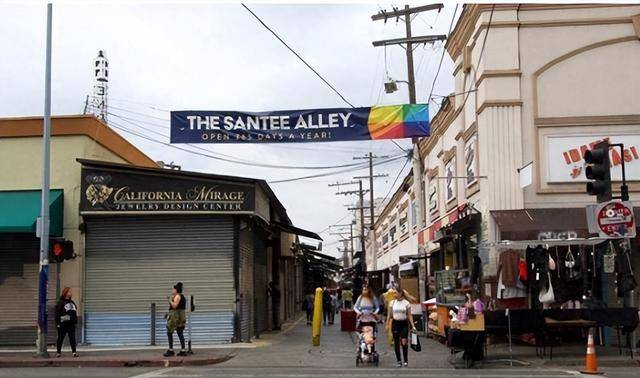
一夜之间变天!美国顾客蒸发、订单跑线上,特朗普政策毁了小商店
Sou Hu Cai Jing· 2025-11-14 19:45
Group 1: Shift in Consumer Behavior - The Latino community in the U.S. is experiencing an unprecedented shift in consumption habits, with a significant decline in offline shopping and a surge in online orders, impacting the $2.8 trillion Hispanic consumer market [1] - Following ICE raids, foot traffic in areas like Los Angeles Fashion District dropped by 45%, leading to a permanent closure of 13% of vendors [3] - Similar declines are observed in Texas and New York, with a notable 14.7% decrease in store visits among legal Hispanic residents due to fear of harassment [4] Group 2: Rise of Online Shopping - Online shopping among Hispanics reached a historic high of 60% from July to September 2025, with their overall purchasing power projected to grow significantly [6] - Social commerce platforms like TikTok Shop are benefiting, with fashion and skincare products being the most popular categories among Hispanic consumers [6] - Major retailers like Walmart reported a 26% year-over-year increase in online sales, capitalizing on the shift towards online shopping [8] Group 3: Economic Impact on Small Businesses - Small businesses lacking online channels face severe challenges, with many unable to adapt to the changing market dynamics [10] - Concerns over declining Hispanic consumer demand have led private equity firms to divest from Hispanic-focused retail chains, indicating a loss of confidence in brick-and-mortar operations [10] Group 4: Macro-Economic Risks - A study indicates that mass deportation of 2.3 million undocumented immigrants in California could result in a $275 billion reduction in the state's GDP, highlighting the broader economic implications of immigration policies [12] - The agricultural and construction sectors are particularly vulnerable, with a significant portion of their workforce being undocumented immigrants, leading to potential disruptions in operations and increased costs [12]