渠道库存高压

Search documents
十年首次降价!五粮液渠道补贴落地,白酒市场起波澜,经销商成本直降
Sou Hu Cai Jing· 2025-12-09 05:17
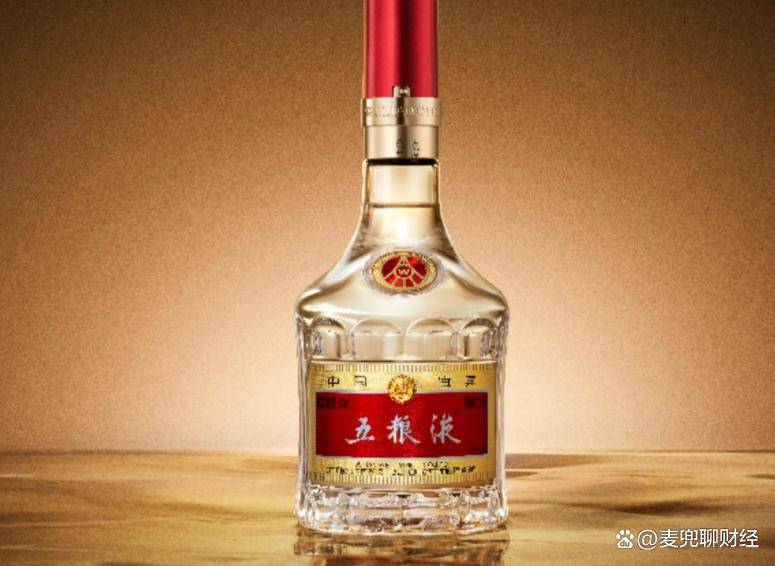
Core Viewpoint - Wuliangye will implement a "de facto price reduction" for its core product, the eighth generation Wuliangye, starting in 2026, marking the first price adjustment since 2014, amidst a challenging market environment [1][3][11] Pricing Strategy - The price adjustment maintains the payment price at 1019 yuan/bottle, while offering a discount of 119 yuan/bottle to distributors, lowering the actual invoicing price to 900 yuan/bottle, with potential costs dropping below 800 yuan with additional subsidies [3][5] - This "structural discount" approach aims to alleviate distributor cost pressures without directly impacting brand image, as the factory price remains unchanged [5][9] Market Conditions - The decision to lower prices stems from a significant price inversion issue, with the wholesale price of the eighth generation Wuliangye dropping from 950 yuan/bottle at the beginning of the year to 855 yuan/bottle by November, leading to increased inventory pressure for distributors [7][9] - The overall performance of Wuliangye has declined, with a 10.26% drop in revenue and a 13.72% decrease in net profit year-on-year for the first three quarters of 2025, marking the first dual decline since 2015 [9][11] Industry Trends - The price inversion problem is widespread across the industry, with 20 A-share listed liquor companies reporting a combined revenue decline of 5.90% and a net profit drop of 6.93% in the first three quarters of 2025 [11][13] - Major brands like Kweichow Moutai are also experiencing significant slowdowns, with Moutai's revenue growth at a near ten-year low of 0.56% in the third quarter [11][13] Strategic Responses - Wuliangye is exploring new market segments, launching a low-alcohol product aimed at younger consumers, which achieved over 100 million yuan in sales within 60 days of its release [15] - The company is also expanding its international presence, with a 23% increase in exports covering 59 countries, although these efforts have yet to significantly alter the overall market dynamics [15]