湖北饮食邪修

Search documents
中国吃饭「邪修」第一大省,为什么是湖北?
36氪· 2025-11-30 02:08
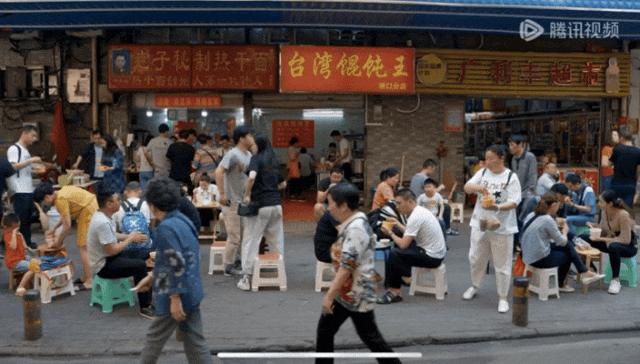
Core Viewpoint - The article explores the unique dining culture of Hubei, emphasizing its unconventional practices and the concept of "邪修" (Xie Xiu), which reflects a free-spirited and practical approach to food and dining [3][4][62]. Summary by Sections Dining Practices - Hubei people have a unified yet unconventional approach to dining, often breaking norms and refreshing perceptions of eating [4]. - The practice of "过早" (Guozao), or breakfast, is characterized by a casual and free-spirited attitude, where people often eat while walking and use simple plastic utensils regardless of the dining setting [11][24][62]. Breakfast Culture - Breakfast in Hubei is a lively affair, with people enjoying dishes like beef soup noodles and hot dry noodles while on the go, showcasing a blend of speed and enjoyment [11][13]. - The tradition of "早酒" (early drinking) complements the breakfast culture, where people gather to enjoy hearty meals and drinks, reflecting a communal and relaxed atmosphere [16][15]. Unique Dishes - Hubei's dining scene features simple yet hearty dishes, such as the famous "榨菜肉丝" (pickled vegetable and shredded pork), which is a staple at local banquets [17][21]. - The use of disposable plastic utensils is common, which may seem unappealing to outsiders but is considered practical and hygienic by locals [24][42]. Seasonal Foods - Hubei's culinary offerings change with the seasons, with dishes like roasted sweet potatoes being enjoyed in winter, highlighting the region's adaptability and respect for ingredients [26][30]. - The article mentions the popularity of "姜丝可乐" (ginger coke), a unique local drink that combines ginger and cola, showcasing Hubei's innovative approach to traditional beverages [36][39]. Cooking Techniques - Hubei cuisine is characterized by its "邪修" cooking methods, which often involve unconventional combinations and techniques, such as using vegetables as main ingredients in dry-frying dishes [55][57]. - The article highlights the versatility of steaming techniques in Hubei, where various ingredients can be combined in a steamer, reflecting a resourceful and creative culinary culture [59][61]. Conclusion - The essence of Hubei's dining culture lies in its practicality and enjoyment, where the focus is on the experience of eating rather than adhering to formal dining rules, embodying a spirit of freedom and creativity [62].

中国吃饭“邪修”第一大省,为什么是湖北?
3 6 Ke· 2025-11-28 03:33
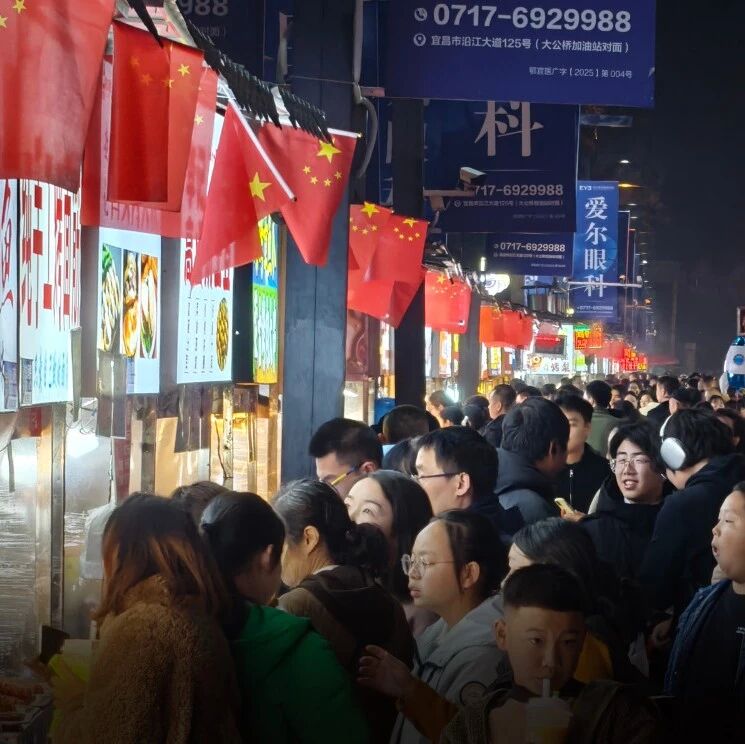
Core Perspective - The article highlights the unique and unconventional eating habits of people in Hubei, showcasing their distinct culinary culture that embraces a casual and free-spirited approach to food [1][13]. Group 1: Eating Habits - Hubei residents often eat on the go, combining various dishes like hot dry noodles and soup noodles, demonstrating a practical and efficient way of dining [2][4]. - The use of soft plastic bowls and utensils is common in Hubei, which contrasts with the expectations of outsiders but is seen as convenient and hygienic by locals [6][12]. - Breakfast in Hubei is characterized by a mix of urgency and leisure, with people enjoying hearty meals and drinks like alcohol and hot food in a relaxed setting [4][7]. Group 2: Unique Dishes - Hubei's culinary offerings include simple yet hearty dishes such as fried peanuts, stir-fried vegetables, and various types of soups, emphasizing practicality and flavor over presentation [5][10]. - The region is known for its distinctive use of ingredients, such as the combination of ginger and cola to create a warming drink during colder months, showcasing a creative twist on traditional beverages [8][10]. - Hubei's local specialties, like the famous Hongshan vegetable, are highly regarded and can fetch high prices due to their unique qualities and historical significance [9]. Group 3: Cultural Significance - The article emphasizes that Hubei's food culture reflects a broader lifestyle that values enjoyment and practicality, with a strong connection to local traditions and communal dining experiences [12][13]. - The casual dining atmosphere in Hubei, where meals are often shared and enjoyed in a communal setting, fosters a sense of community and belonging among residents [4][6].