藕汤

Search documents
武汉消费热力满格!元旦首日线下消费额突破40亿元
Sou Hu Cai Jing· 2026-01-03 07:40
Core Insights - Wuhan's consumer market experienced a strong start in 2026, with offline retail spending reaching 40.92 billion yuan on New Year's Day, marking a year-on-year increase of 19.14% [1] - The number of transactions totaled 7.0482 million, up 21.46% year-on-year, while the number of consumers reached 6.3493 million, reflecting a 21.17% increase [1] Retail Performance - The luxury goods sector, particularly at 武商MALL, saw a significant influx of consumers, with long queues forming outside stores like LV [3] - Various shopping districts in Wuhan showcased vibrant New Year celebrations, attracting large crowds and enhancing the shopping experience [5] Consumer Engagement - Events such as the "Golden Fortune Tree" photo spot and performances featuring traditional and modern elements contributed to a festive atmosphere, drawing in young consumers [5][7] - The integration of cultural performances, such as the giant fire dance and traditional crafts, increased foot traffic and sales, with clothing sales expected to exceed 9 million yuan on New Year's Day [7] Dining Trends - The dining scene was bustling, with long wait times reported at popular restaurants, including the newly opened 海底捞 [9][10] - The first Taiwan Food Festival at 鲁巷广场 attracted significant interest, with early bird tickets selling out quickly, indicating strong consumer demand for diverse culinary experiences [10]


元旦武汉消费额和消费人次“双增长”
Chang Jiang Ri Bao· 2026-01-03 01:02
Group 1 - Wuhan's offline retail consumption reached 4.092 billion yuan during the first day of the New Year holiday, marking a year-on-year increase of 19.14% [1] - The number of transactions was 7.0482 million, up 21.46% year-on-year, while the number of consumers reached 6.3493 million, reflecting a 21.17% increase [1] - Various shopping districts in Wuhan saw vibrant New Year celebrations, with long queues at popular stores and engaging events attracting large crowds [1] Group 2 - The integration of intangible cultural heritage and art enhanced the festive atmosphere, with a 7-meter giant fire dance performance attracting significant attention [2] - Non-heritage activities contributed to increased foot traffic and sales, with clothing sales expected to exceed 9 million yuan on the first day of the New Year holiday [2] - Popular restaurants experienced high demand, with wait times exceeding one hour at new locations, indicating strong consumer interest in dining experiences [3] Group 3 - The Wuhan New Year International Consumption Season will last until February 2026, featuring a variety of activities across shopping, food, entertainment, and cultural sectors [3] - The local government aims to create appealing consumer environments to boost economic activity and enhance the city's vibrancy [3]
中国吃饭“邪修”第一大省,为什么是湖北?
虎嗅APP· 2025-12-07 09:03
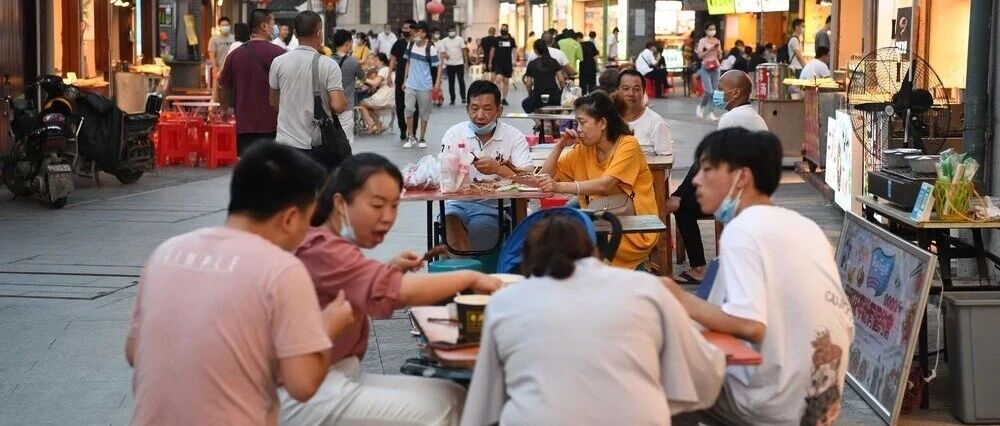
Core Viewpoint - The article explores the unique and unconventional eating habits of people in Hubei, emphasizing their distinct culinary culture and the concept of "邪修" (unorthodox practices) in food consumption [5][6][48]. Group 1: Eating Habits - Hubei people have a unified understanding of food, often breaking conventional norms, such as eating breakfast on the go and combining unexpected ingredients [6][11][16]. - The practice of "边走边吃" (eating while walking) is prevalent, showcasing a blend of convenience and enjoyment in their daily meals [11][16]. - Hubei's breakfast culture includes unique combinations like hot dry noodles with fried dough sticks, and even ginger cola as a warming drink in winter [30][31]. Group 2: Culinary Traditions - Hubei's dining culture is characterized by simplicity and practicality, often using disposable plastic utensils even in formal settings [21][23]. - The article highlights the local delicacies, such as the humble yet beloved "榨菜肉丝" (shredded pickled mustard greens with pork), which reflects the region's down-to-earth approach to food [17][20]. - Hubei's culinary practices include innovative methods like "干煸" (dry frying) applied to vegetables, showcasing a creative twist on traditional cooking techniques [45][47]. Group 3: Local Ingredients and Dishes - The article mentions the significance of local ingredients, such as "洪山菜薹" (Hongshan vegetable shoots), which are highly valued and can fetch high prices during their season [34]. - Hubei's diverse food offerings include "藕汤" (lotus root soup) and "豆丝" (bean vermicelli), which are staples in local households, especially during winter [36][38]. - Unique dishes like "虾鲊" (fermented shrimp) and "合渣" (soybean residue) illustrate the region's rich culinary heritage and innovative use of local resources [40][41].
中国吃饭「邪修」第一大省,为什么是湖北?
36氪· 2025-11-30 02:08
Core Viewpoint - The article explores the unique dining culture of Hubei, emphasizing its unconventional practices and the concept of "邪修" (Xie Xiu), which reflects a free-spirited and practical approach to food and dining [3][4][62]. Summary by Sections Dining Practices - Hubei people have a unified yet unconventional approach to dining, often breaking norms and refreshing perceptions of eating [4]. - The practice of "过早" (Guozao), or breakfast, is characterized by a casual and free-spirited attitude, where people often eat while walking and use simple plastic utensils regardless of the dining setting [11][24][62]. Breakfast Culture - Breakfast in Hubei is a lively affair, with people enjoying dishes like beef soup noodles and hot dry noodles while on the go, showcasing a blend of speed and enjoyment [11][13]. - The tradition of "早酒" (early drinking) complements the breakfast culture, where people gather to enjoy hearty meals and drinks, reflecting a communal and relaxed atmosphere [16][15]. Unique Dishes - Hubei's dining scene features simple yet hearty dishes, such as the famous "榨菜肉丝" (pickled vegetable and shredded pork), which is a staple at local banquets [17][21]. - The use of disposable plastic utensils is common, which may seem unappealing to outsiders but is considered practical and hygienic by locals [24][42]. Seasonal Foods - Hubei's culinary offerings change with the seasons, with dishes like roasted sweet potatoes being enjoyed in winter, highlighting the region's adaptability and respect for ingredients [26][30]. - The article mentions the popularity of "姜丝可乐" (ginger coke), a unique local drink that combines ginger and cola, showcasing Hubei's innovative approach to traditional beverages [36][39]. Cooking Techniques - Hubei cuisine is characterized by its "邪修" cooking methods, which often involve unconventional combinations and techniques, such as using vegetables as main ingredients in dry-frying dishes [55][57]. - The article highlights the versatility of steaming techniques in Hubei, where various ingredients can be combined in a steamer, reflecting a resourceful and creative culinary culture [59][61]. Conclusion - The essence of Hubei's dining culture lies in its practicality and enjoyment, where the focus is on the experience of eating rather than adhering to formal dining rules, embodying a spirit of freedom and creativity [62].
中国吃饭“邪修”第一大省,为什么是湖北?
3 6 Ke· 2025-11-28 03:33
Core Perspective - The article highlights the unique and unconventional eating habits of people in Hubei, showcasing their distinct culinary culture that embraces a casual and free-spirited approach to food [1][13]. Group 1: Eating Habits - Hubei residents often eat on the go, combining various dishes like hot dry noodles and soup noodles, demonstrating a practical and efficient way of dining [2][4]. - The use of soft plastic bowls and utensils is common in Hubei, which contrasts with the expectations of outsiders but is seen as convenient and hygienic by locals [6][12]. - Breakfast in Hubei is characterized by a mix of urgency and leisure, with people enjoying hearty meals and drinks like alcohol and hot food in a relaxed setting [4][7]. Group 2: Unique Dishes - Hubei's culinary offerings include simple yet hearty dishes such as fried peanuts, stir-fried vegetables, and various types of soups, emphasizing practicality and flavor over presentation [5][10]. - The region is known for its distinctive use of ingredients, such as the combination of ginger and cola to create a warming drink during colder months, showcasing a creative twist on traditional beverages [8][10]. - Hubei's local specialties, like the famous Hongshan vegetable, are highly regarded and can fetch high prices due to their unique qualities and historical significance [9]. Group 3: Cultural Significance - The article emphasizes that Hubei's food culture reflects a broader lifestyle that values enjoyment and practicality, with a strong connection to local traditions and communal dining experiences [12][13]. - The casual dining atmosphere in Hubei, where meals are often shared and enjoyed in a communal setting, fosters a sense of community and belonging among residents [4][6].
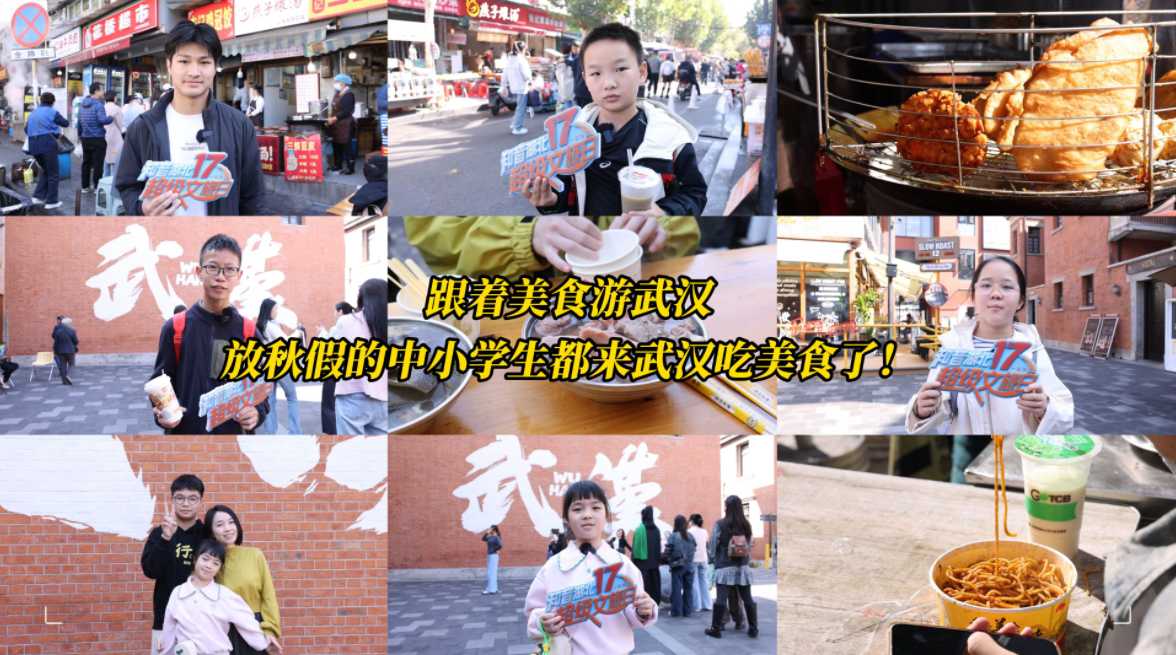
放秋假的中小学生都来武汉吃美食了
Chang Jiang Ri Bao· 2025-11-14 01:02
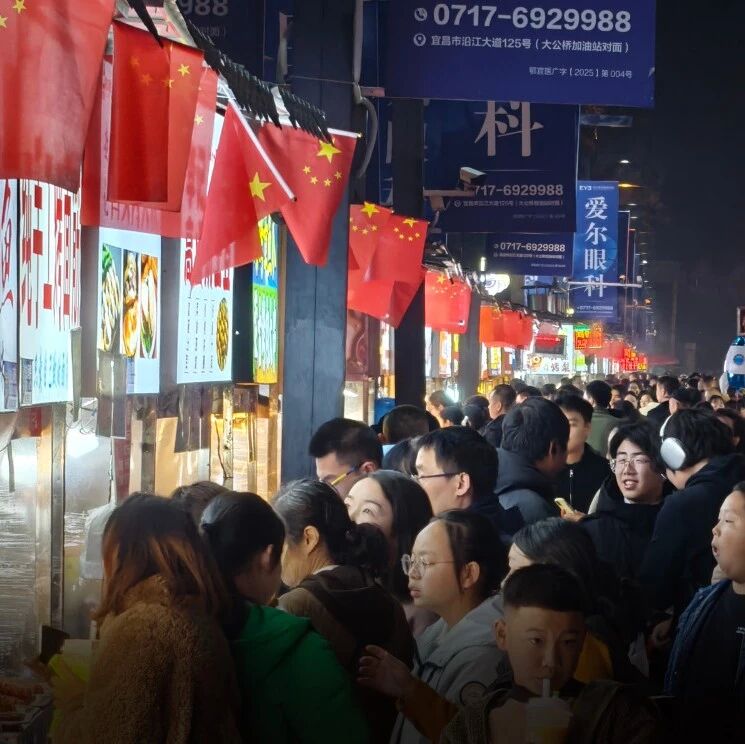
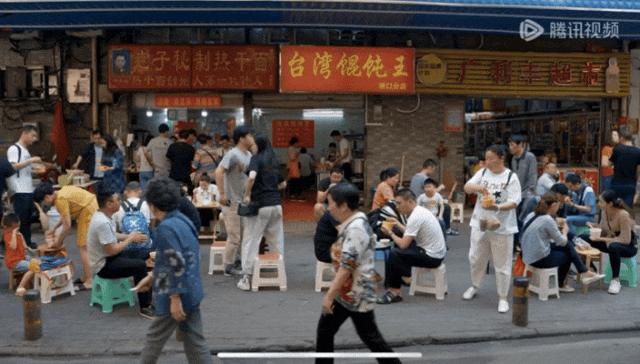
Core Insights - The article highlights a surge in food tourism in Wuhan, driven by families visiting during the autumn break of middle school students, leading to long queues at popular food streets [1][18]. Group 1: Food Tourism Trends - Popular food streets such as Xian'an Fang and Shanhai Pass Road are experiencing high foot traffic, with families queuing for local delicacies like Ji Guan Dumplings and Sun's Bean Curd [1][6]. - The influx of tourists is attributed to the autumn break, with families traveling from various regions to enjoy the local cuisine and attractions [1][18]. Group 2: Visitor Experiences - Visitors, including students from different cities, express excitement about trying local dishes such as hot dry noodles, lotus root soup, and various snacks, indicating a strong interest in Wuhan's culinary offerings [7][13][17]. - Tourists are not only focused on food but also plan to visit iconic sites like the Yellow Crane Tower and East Lake, showcasing a blend of culinary and cultural tourism [7][17]. Group 3: Local Attractions - The article mentions specific food items that are popular among tourists, such as hot dry noodles and lotus root soup, which are highlighted as must-try dishes [13][17]. - The upcoming "Zhiyin Hubei Super Cultural Tourism Day" event is expected to further enhance the food tourism experience in Wuhan, inviting more visitors to explore the city's culinary delights [18].
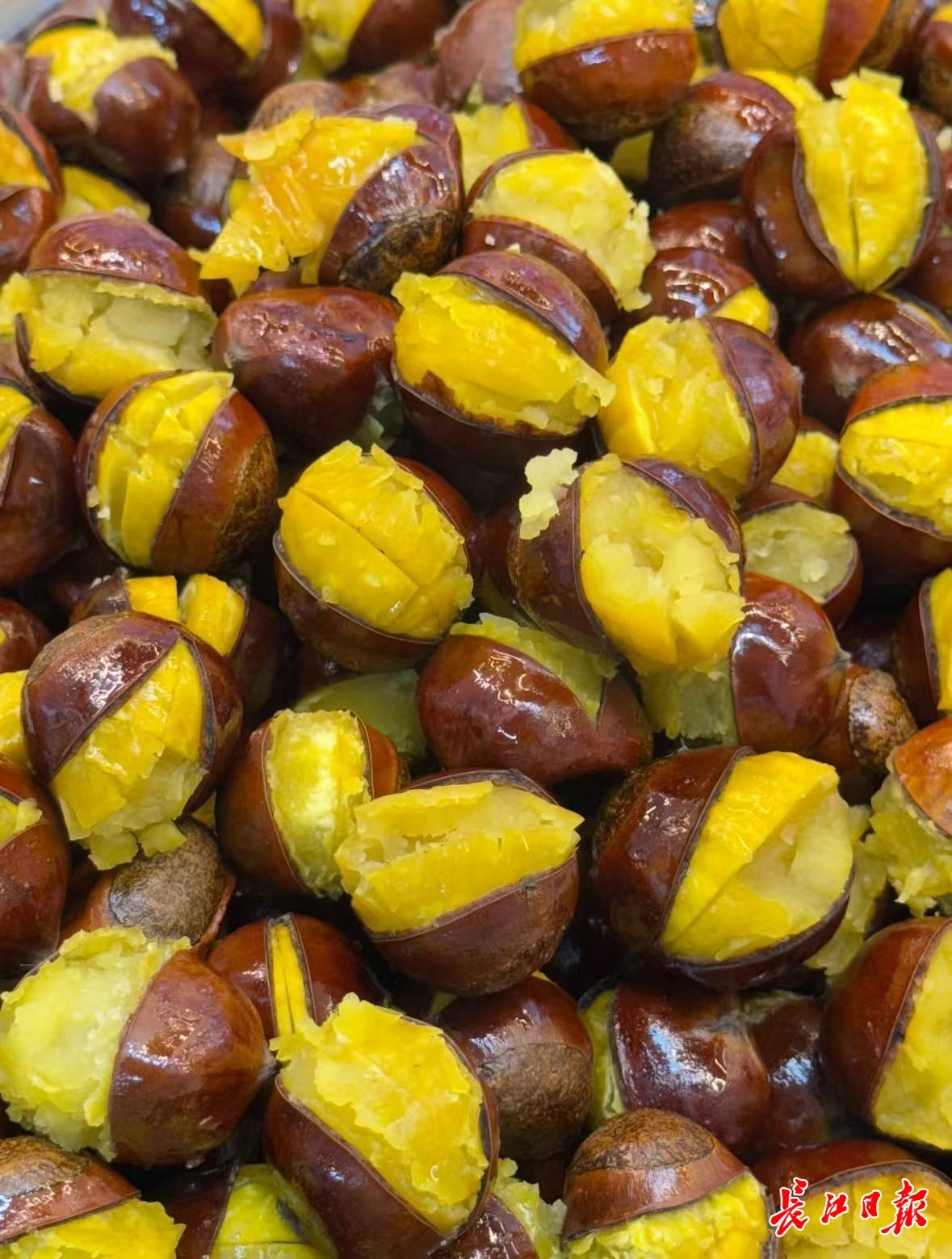
藕汤暖,蟹正肥,糖炒栗子爆开武汉的秋
Chang Jiang Ri Bao· 2025-10-16 00:30
Group 1 - The article highlights the seasonal popularity of roasted chestnuts in Wuhan, with long queues forming at a well-known vendor, indicating strong local demand for this autumn treat [1] - Local residents and tourists express their fondness for the unique taste of the chestnuts, which are larger and sweeter due to being prepared with honey and sugar [1] - The article also mentions the rising popularity of lotus root and crabs in the market, with stable prices and increased sales, showcasing the abundance of seasonal produce available [3] Group 2 - The lotus root market is experiencing a steady increase in daily transaction volume, with local vendors prominently displaying their products [3] - A specific restaurant known for its lotus root soup has become a popular destination for tourists, selling over 160 servings daily during the recent holiday period [3] - The article emphasizes the cultural significance of seasonal foods in Wuhan, with local residents planning family gatherings centered around these autumn delicacies [3]
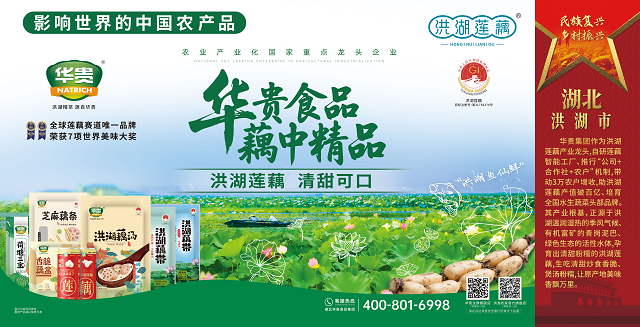
《影响世界的中国农产品》品牌,华贵集团洪湖莲藕亮相北京天安门《辉煌的中国》核心展区
Sou Hu Wang· 2025-09-17 09:20
Core Insights - The Huagui Group's lotus industry image was showcased at the "Glorious China" exhibition, marking a significant milestone for Chinese agricultural brands on the global stage [1][3] Group 1: Company Achievements - Huagui Group is recognized as a leader in China's lotus industry, achieving a breakthrough in industry value exceeding 10 billion yuan [8] - The company has developed a comprehensive industrial chain from breeding research and intelligent processing to brand marketing, promoting over 30,000 farmers to prosperity [8] - Huagui Group has diversified its product offerings, including lotus stems, lotus soup, lotus powder, and lotus juice, and has won 7 "World Delicious Awards" [10] Group 2: Industry Context - The "Glorious China" exhibition aims to tell China's story and showcase achievements in agriculture, technology, and cultural heritage [3] - The region of Honghu is noted for its rich ecological resources and unique climate, contributing to the high quality of Huagui's lotus products [6] - The company is committed to building a trillion-level aquatic vegetable industry cluster, enhancing the modernization of agriculture and rural revitalization [12] Group 3: Strategic Partnerships - Huagui Group has partnered with Hubei Agricultural Development Group to establish Hubei Agricultural Development Honghu Aquatic Technology Co., focusing on creating a premium aquatic product brand [13]