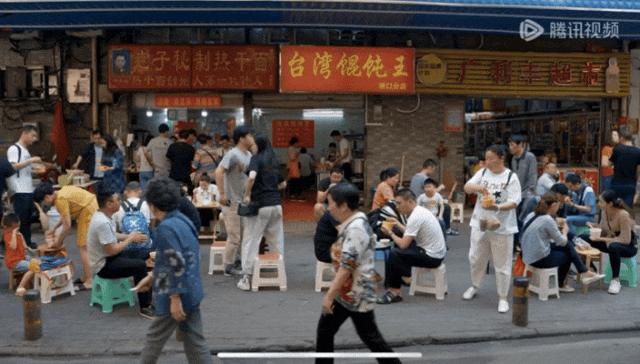
豆丝

Search documents
赶大集、备年货、赏民俗 传统年味别样浓 百姓沉浸式感受年俗魅力
Yang Shi Wang· 2026-02-08 04:04
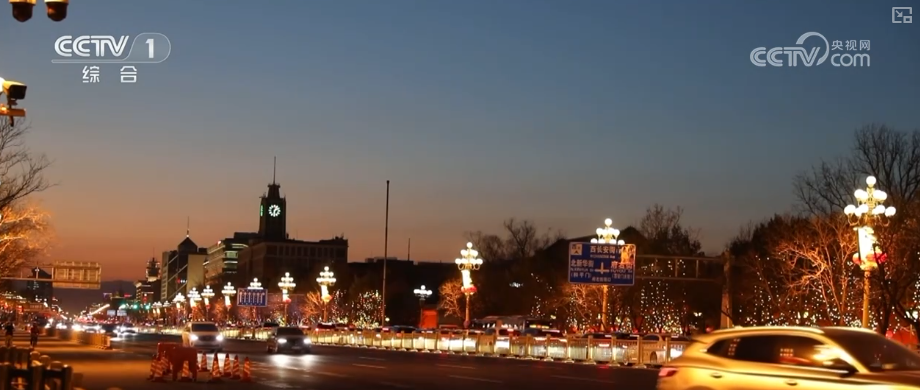
Group 1 - The approach to stimulate consumer enthusiasm through diverse scenes is evident as the Spring Festival approaches, with people engaging in various activities such as shopping for New Year goods and enjoying folk customs [1][4] - The Spring Festival decorations along Chang'an Street in Beijing have been completed, featuring 121 sets of lanterns and 242 large red lanterns, emphasizing energy efficiency and long lifespan [3] - The principle of "reuse" is strictly followed in the decoration process, with a reuse rate of 90% for lanterns and decorations planned for 2026 [3] Group 2 - In Shandong Zibo, a collective project has organized a market for rural agricultural products, featuring over 300 stalls and attracting more than 20,000 citizens [6] - The Jiangnan New Year market in Wuxi, Jiangsu, has drawn visitors from afar, showcasing traditional foods and intangible cultural heritage skills [9] - In Hubei Xiaochang, local New Year festivals are popular, featuring handmade rice cakes and local specialties, evoking nostalgic flavors [10][12] Group 3 - The flower market in Chongqing is experiencing its busiest sales season of the year, with popular varieties including butterfly orchids and azaleas, which are favored for their auspicious meanings and affordability [15]

超300场特色活动贯穿岁末年初!2025武汉国际消费季暨跨年消费季启动
Sou Hu Cai Jing· 2025-12-15 13:10
Core Viewpoint - Wuhan is igniting a winter consumption frenzy with the launch of the "2025 Wuhan International Consumption Season" and New Year consumption season, featuring over 300 unique activities running until the end of February [1][9]. Group 1: Key Events and Activities - The consumption season includes more than 300 events across the city, aiming to stimulate winter and spring consumer spending [9]. - Major enterprises and platforms such as Fenshen Outlets, Hema, JD Mall, and Meituan are launching attractive promotions, including discounts and giveaways [4]. - Wuhan SKP has introduced over 400 first-store brands since its opening and will host a "Shining Wonderland" lighting ceremony with international artists [4]. Group 2: Food and Cultural Initiatives - The second edition of the "Wuhan Top Ten Dishes, Top Ten Snacks, and Top Ten Souvenirs" selection has been launched, focusing on local culinary culture [7][8]. - A winter consumption season for fresh crayfish is being promoted in collaboration with neighboring cities, ensuring supply and offering special discounts [8]. - Various food markets will showcase local delicacies, allowing residents to experience authentic Wuhan flavors [8]. Group 3: Technological and Entertainment Enhancements - The first humanoid robot experience store in the country is being promoted, enhancing consumer engagement with cutting-edge technology [5]. - The "Super Cultural Tourism Day" will feature ice and snow activities across four indoor snow venues, promoting winter sports [5]. - The Wuhan Sports Bureau is distributing a total of 1.5 million yuan in ice and snow consumption vouchers to encourage participation in winter sports [5]. Group 4: Collaborative Efforts and Promotions - The event will see collaboration between various districts and industries, focusing on exquisite food, quality shopping, and engaging tourism experiences [11]. - The city will host themed activities such as the Wuhan Ice and Snow Season and the Wuhan Beautiful Automotive Life Festival to further stimulate consumer activity [11].

中国吃饭“邪修”第一大省,为什么是湖北?
虎嗅APP· 2025-12-07 09:03
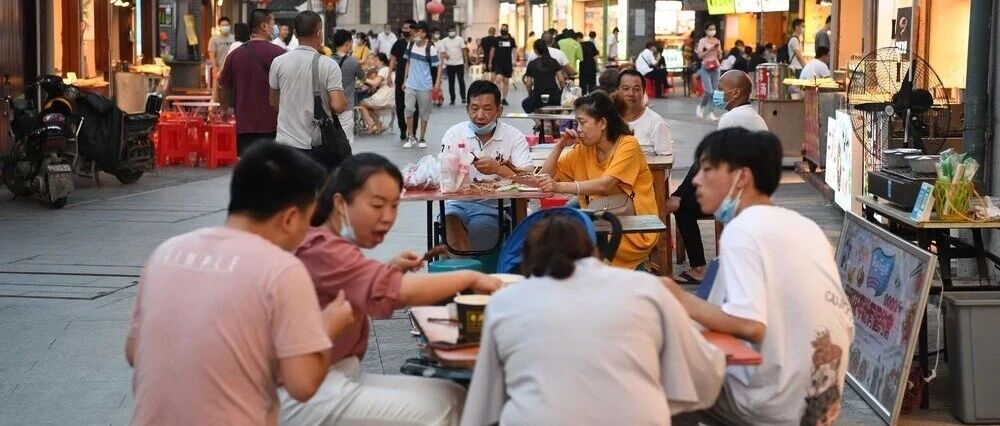
Core Viewpoint - The article explores the unique and unconventional eating habits of people in Hubei, emphasizing their distinct culinary culture and the concept of "邪修" (unorthodox practices) in food consumption [5][6][48]. Group 1: Eating Habits - Hubei people have a unified understanding of food, often breaking conventional norms, such as eating breakfast on the go and combining unexpected ingredients [6][11][16]. - The practice of "边走边吃" (eating while walking) is prevalent, showcasing a blend of convenience and enjoyment in their daily meals [11][16]. - Hubei's breakfast culture includes unique combinations like hot dry noodles with fried dough sticks, and even ginger cola as a warming drink in winter [30][31]. Group 2: Culinary Traditions - Hubei's dining culture is characterized by simplicity and practicality, often using disposable plastic utensils even in formal settings [21][23]. - The article highlights the local delicacies, such as the humble yet beloved "榨菜肉丝" (shredded pickled mustard greens with pork), which reflects the region's down-to-earth approach to food [17][20]. - Hubei's culinary practices include innovative methods like "干煸" (dry frying) applied to vegetables, showcasing a creative twist on traditional cooking techniques [45][47]. Group 3: Local Ingredients and Dishes - The article mentions the significance of local ingredients, such as "洪山菜薹" (Hongshan vegetable shoots), which are highly valued and can fetch high prices during their season [34]. - Hubei's diverse food offerings include "藕汤" (lotus root soup) and "豆丝" (bean vermicelli), which are staples in local households, especially during winter [36][38]. - Unique dishes like "虾鲊" (fermented shrimp) and "合渣" (soybean residue) illustrate the region's rich culinary heritage and innovative use of local resources [40][41].
中国吃饭「邪修」第一大省,为什么是湖北?
36氪· 2025-11-30 02:08
Core Viewpoint - The article explores the unique dining culture of Hubei, emphasizing its unconventional practices and the concept of "邪修" (Xie Xiu), which reflects a free-spirited and practical approach to food and dining [3][4][62]. Summary by Sections Dining Practices - Hubei people have a unified yet unconventional approach to dining, often breaking norms and refreshing perceptions of eating [4]. - The practice of "过早" (Guozao), or breakfast, is characterized by a casual and free-spirited attitude, where people often eat while walking and use simple plastic utensils regardless of the dining setting [11][24][62]. Breakfast Culture - Breakfast in Hubei is a lively affair, with people enjoying dishes like beef soup noodles and hot dry noodles while on the go, showcasing a blend of speed and enjoyment [11][13]. - The tradition of "早酒" (early drinking) complements the breakfast culture, where people gather to enjoy hearty meals and drinks, reflecting a communal and relaxed atmosphere [16][15]. Unique Dishes - Hubei's dining scene features simple yet hearty dishes, such as the famous "榨菜肉丝" (pickled vegetable and shredded pork), which is a staple at local banquets [17][21]. - The use of disposable plastic utensils is common, which may seem unappealing to outsiders but is considered practical and hygienic by locals [24][42]. Seasonal Foods - Hubei's culinary offerings change with the seasons, with dishes like roasted sweet potatoes being enjoyed in winter, highlighting the region's adaptability and respect for ingredients [26][30]. - The article mentions the popularity of "姜丝可乐" (ginger coke), a unique local drink that combines ginger and cola, showcasing Hubei's innovative approach to traditional beverages [36][39]. Cooking Techniques - Hubei cuisine is characterized by its "邪修" cooking methods, which often involve unconventional combinations and techniques, such as using vegetables as main ingredients in dry-frying dishes [55][57]. - The article highlights the versatility of steaming techniques in Hubei, where various ingredients can be combined in a steamer, reflecting a resourceful and creative culinary culture [59][61]. Conclusion - The essence of Hubei's dining culture lies in its practicality and enjoyment, where the focus is on the experience of eating rather than adhering to formal dining rules, embodying a spirit of freedom and creativity [62].
中国吃饭“邪修”第一大省,为什么是湖北?
3 6 Ke· 2025-11-28 03:33
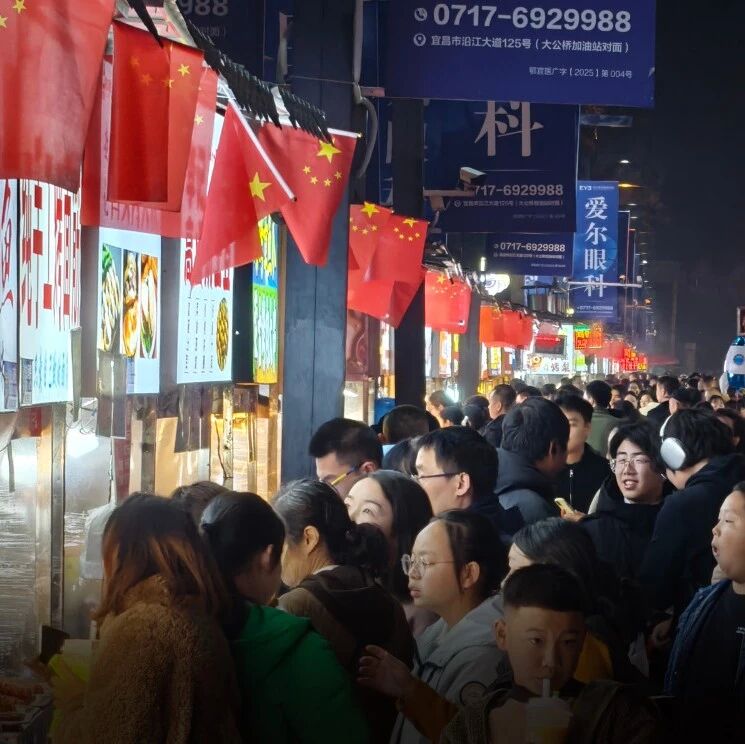
Core Perspective - The article highlights the unique and unconventional eating habits of people in Hubei, showcasing their distinct culinary culture that embraces a casual and free-spirited approach to food [1][13]. Group 1: Eating Habits - Hubei residents often eat on the go, combining various dishes like hot dry noodles and soup noodles, demonstrating a practical and efficient way of dining [2][4]. - The use of soft plastic bowls and utensils is common in Hubei, which contrasts with the expectations of outsiders but is seen as convenient and hygienic by locals [6][12]. - Breakfast in Hubei is characterized by a mix of urgency and leisure, with people enjoying hearty meals and drinks like alcohol and hot food in a relaxed setting [4][7]. Group 2: Unique Dishes - Hubei's culinary offerings include simple yet hearty dishes such as fried peanuts, stir-fried vegetables, and various types of soups, emphasizing practicality and flavor over presentation [5][10]. - The region is known for its distinctive use of ingredients, such as the combination of ginger and cola to create a warming drink during colder months, showcasing a creative twist on traditional beverages [8][10]. - Hubei's local specialties, like the famous Hongshan vegetable, are highly regarded and can fetch high prices due to their unique qualities and historical significance [9]. Group 3: Cultural Significance - The article emphasizes that Hubei's food culture reflects a broader lifestyle that values enjoyment and practicality, with a strong connection to local traditions and communal dining experiences [12][13]. - The casual dining atmosphere in Hubei, where meals are often shared and enjoyed in a communal setting, fosters a sense of community and belonging among residents [4][6].