爆品驱动

Search documents
三年增长超50%!京东生鲜发布“烘焙商家招募令”,携手优质商家打造“甜蜜经济”
Zhong Jin Zai Xian· 2026-01-14 11:25
Core Insights - JD Fresh has launched a "Core Merchant Recruitment Plan" for the baking industry, inviting high-quality source merchants, brands, distributors, and factories to collaborate, aiming to promote high-quality development in the baking sector [1][12] Group 1: Market Growth and Performance - Over the past three years, JD Fresh's baking category has achieved a compound annual growth rate (CAGR) of over 50%, driven by a full-chain quality control and explosive product strategy [3][7] - Notable baking products include the Fresh JD Milk Skin Mousse Cake and the Zootopia 2-themed Cheese Cake, which have gained significant market traction due to their rich flavors and quality [3][11] Group 2: Quality Control and Consumer Trust - JD Fresh emphasizes strict quality control measures, including rigorous merchant qualification standards, direct connections with upstream factories, and a comprehensive quality assurance system to ensure product safety and health [6][7] - The company utilizes a nationwide self-operated cold chain network for logistics, ensuring the freshness of baked goods [7] Group 3: Industry Challenges - The rapid growth of the baking industry has led to issues such as substandard raw materials, product homogeneity, and inadequate traceability systems, which pose risks to the industry's healthy development [4][12] Group 4: Merchant Support and Collaboration - The recruitment plan offers comprehensive support to partner merchants, including streamlined onboarding processes, quality control guidance, supply chain support, and marketing resources to enhance their growth [12][13] - JD Fresh aims to create a stable operating environment for merchants and provide consumers with trustworthy product options, inviting quality-focused partners to join in expanding the market [13]



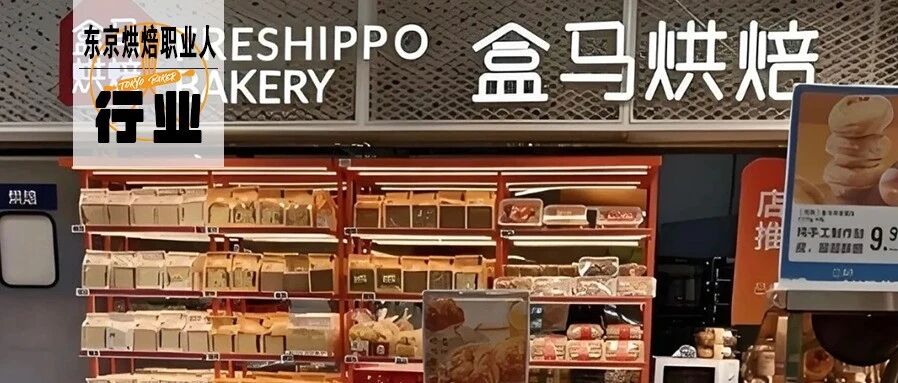
盒马烘焙的成长与战略转型——工业化转型下的零售烘焙新答卷
东京烘焙职业人· 2025-09-30 08:33
Core Viewpoint - The article discusses the transformation and innovation in the Chinese baking industry, highlighting the importance of health and daily consumption in product development, as well as the role of retail channels in driving this change [1][41]. Group 1: Event Overview - The German Industrial Baking Localization Practice and Nutritional Innovation Summit was held in Suzhou, Kunshan, featuring key figures from the German Consulate, Ston Group, and Wang Sen Education Group [1]. - The summit gathered experts and representatives from the baking industry to discuss the industrial transformation of the Chinese baking sector [1]. Group 2: Insights from Key Speakers - Li Qun, from Hema Baking, emphasized the evolution of Hema's baking strategy from creating "explosive products" to becoming a daily necessity for consumers [14][15]. - The focus has shifted to integrating baked goods into daily meals, addressing the need for higher repurchase rates amid market homogenization [20][21]. Group 3: Consumer Trends and Product Development - The younger demographic is increasingly interested in health-conscious options, seeking baked goods that are both tasty and nutritious [27]. - Hema defines "delicious" through three dimensions: good craftsmanship, quality ingredients, and health orientation [23]. - The company aims to eliminate additives and promote clean labels, ensuring transparency in product ingredients [25][40]. Group 4: Market Positioning and Supply Chain Strategy - Hema is extending its reach into the upstream supply chain, establishing partnerships for local ingredients like matcha to enhance brand recognition [33]. - The company is focusing on creating products that cater to various consumption scenarios, such as single-serving items and small celebration cakes, to enhance brand presence in daily life [32][41]. Group 5: Industry Challenges and Opportunities - The baking industry faces challenges of homogenization and price wars, prompting Hema to differentiate itself through health, scenario-based offerings, and deep supply chain engagement [41]. - Hema's approach illustrates that retail channels can actively drive industrialization and localization transformations rather than passively accepting changes [41].