物价涨幅

Search documents
调查:美国企业CFO平均预期明年物价涨幅4.2%
Ge Long Hui A P P· 2025-12-18 04:01
Core Insights - The confidence of CFOs regarding their companies and the overall U.S. economy has declined, with the optimism index dropping from 62.9 in Q3 to 60.2, lower than the high of 66 following the election of Donald Trump [1] Group 1: Economic Outlook - The median expectations for employment and economic growth for the next year are 1.7% and 1.9%, respectively [1] - Only 40% of respondents indicated that their companies are hiring for new positions, while nearly 20% stated they are not hiring at all [1] - Approximately 9% of CFOs expect layoffs within their companies [1] Group 2: Concerns and Predictions - The primary concern among CFOs remains the issue of tariffs [1] - The average expected inflation rate for the coming year is 4.2%, with half of the respondents predicting inflation rates of 3.5% or higher [1] - The average forecast for company revenue growth is nearly 8% [1]
美联储连续3次降息0.25%,未来降息预期存分歧
日经中文网· 2025-12-11 02:47
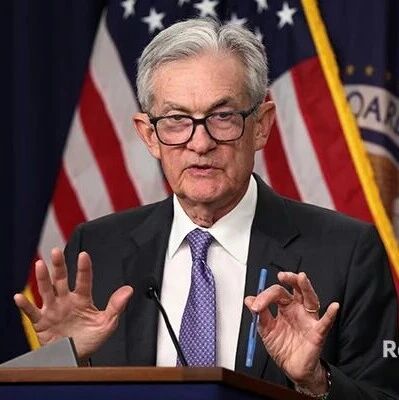
Core Viewpoint - The Federal Open Market Committee (FOMC) has decided to lower the federal funds rate to a range of 3.5% to 3.75%, marking the third consecutive 0.25% cut, amidst significant internal disagreement regarding future rate adjustments [1][5]. Group 1: FOMC Decisions and Predictions - The FOMC's internal opinions are divided, with 7 out of 19 participants predicting no further rate cuts in 2026, while others forecast varying numbers of cuts [1][5]. - The median forecast indicates one additional rate cut in 2026, with some members suggesting as many as five cuts [5][6]. - The neutral interest rate level, which is seen as the endpoint for rate cuts, remains a contentious point among FOMC members, with estimates varying significantly [5][6]. Group 2: Economic Indicators - The unemployment rate is projected to remain at 4.4% for 2026, consistent with previous forecasts, while economic growth is expected to rise from 1.8% to 2.3% [6][9]. - The Personal Consumption Expenditures (PCE) price index is anticipated to increase by 2.4%, exceeding the 2% target, indicating persistent inflationary pressures [8][10]. Group 3: Leadership and Policy Implications - Federal Reserve Chairman Jerome Powell emphasized the importance of data in determining future policy adjustments, stating that the current rate is neutral for the economy [5][10]. - The potential nomination of a new Fed chair by President Trump could influence future monetary policy, with the possibility of increased pressure for rate cuts [11][12].