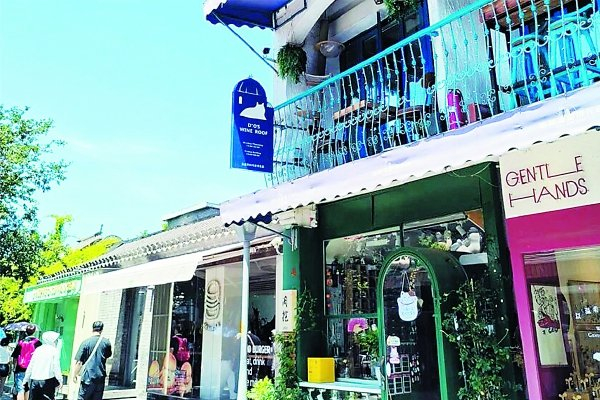
特色消费街区

Search documents
潮尚重构消费|从点状打卡到全域联通 特色小店激活文商旅新生态
Bei Jing Shang Bao· 2026-01-18 11:33
Core Insights - The article discusses the transformation of traditional commercial spaces in Beijing into immersive consumption scenarios through the "characteristic small shop cluster" model, driven by the Citywalk trend [1] - It highlights the challenges faced by merchants due to homogenization, rising rental costs, and fluctuating consumer demand, while emphasizing the need for innovation and policy support to create a new international consumption landmark [1] Group 1: Citywalk and Characteristic Small Shops - The Citywalk trend is driving urban consumption upgrades, with areas like Dongsi North Street and Nanluoguxiang undergoing business model reconstruction to enhance consumer experiences [1] - The Red Star Qianjin Bakery Milk Company has achieved a 43% repurchase rate, significantly higher than the industry average, by focusing on product quality and transparency in operations [3] - The East Si North Street has become a must-visit spot for Citywalk, attracting both tourists and local residents, showcasing a blend of traditional and innovative food offerings [4] Group 2: Challenges and Market Dynamics - Merchants are experiencing significant fluctuations in customer traffic, particularly in tourist-heavy areas, with weekend and weekday footfall varying greatly [11] - Consumer preferences are evolving, with a greater emphasis on cost-effectiveness and quality, leading to increased competition from standardized chain brands [12] - The rise of similar products in the market has intensified competition, making it crucial for merchants to differentiate themselves through quality and brand reputation [12] Group 3: Policy Support and Future Directions - The Beijing government is promoting the development of characteristic consumption streets through the "Beijing Fashion Consumption Expansion Action Plan," which aims to integrate cultural heritage with modern consumer experiences [13] - The growth of international tourist traffic since 2025 has positively impacted street consumption, with foreign visitors increasingly seeking immersive cultural experiences [14] - Merchants are encouraged to focus on high-quality offerings and unique cultural experiences to meet the evolving demands of both local and international consumers [14]

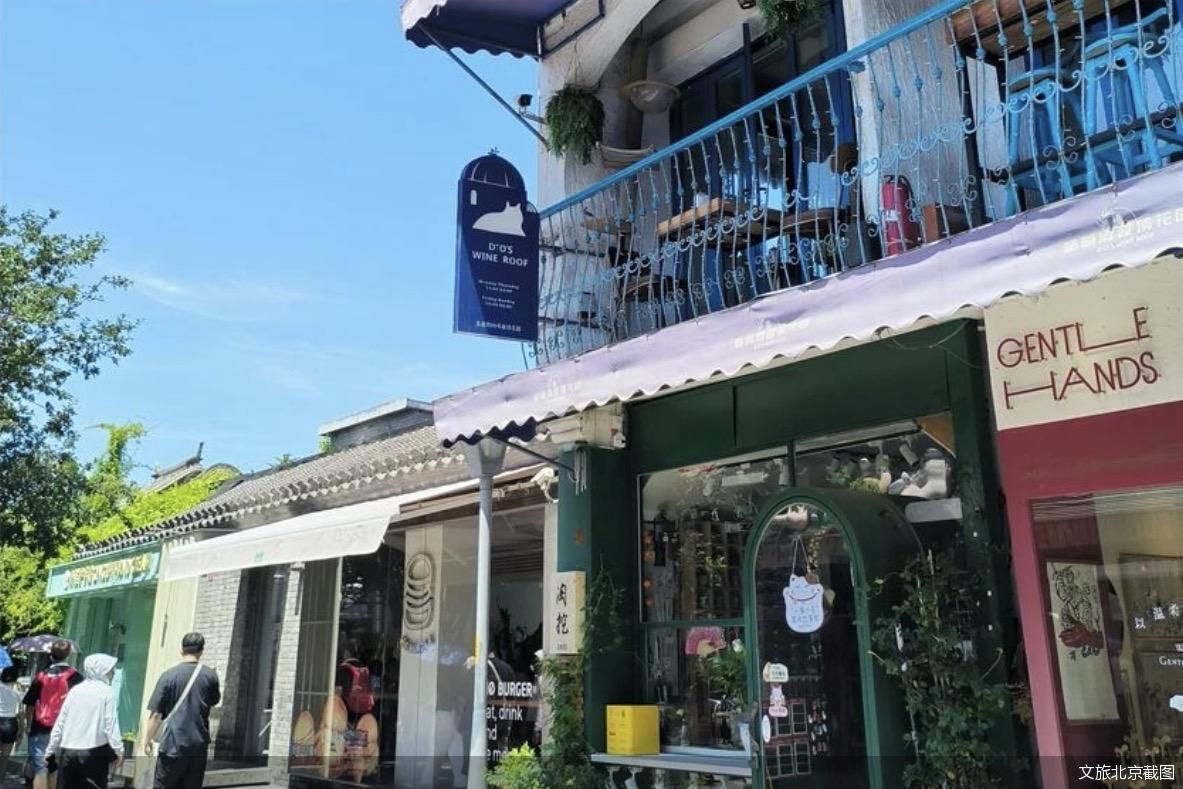
从点状打卡到全域联通,特色小店激活文商旅新生态
Bei Jing Shang Bao· 2026-01-16 05:02
Group 1 - The core idea of the articles revolves around the transformation of traditional commercial spaces in Beijing into immersive consumption scenarios through the "characteristic small shop cluster" model, driven by the Citywalk trend [1][7] - The "characteristic small shop cluster" model aims to integrate culture, commerce, and tourism, with a focus on innovation, quality upgrades, and policy support to create new international consumption landmarks while preserving historical elements [1][13] - The East Si North Street has evolved from a traditional commercial area to a vibrant Citywalk route, showcasing a mix of old and new businesses, including local brands and innovative shops that attract both tourists and local residents [3][5] Group 2 - Red Star Qianjin Bakery and Milk Company has achieved a high repurchase rate of over 43%, significantly above the industry average, by focusing on product quality and transparency in its operations [2][3] - The growth of the small shop ecosystem in East Si North Street reflects a broader trend in Beijing, where various districts are being revitalized with a mix of traditional and modern cultural experiences, leading to increased consumer engagement [5][7] - The rise of Citywalk routes has led to a notable increase in consumer interest, with social media platforms like Douyin generating significant traffic for these areas, indicating a shift in consumer behavior towards experiential shopping [8][9] Group 3 - Despite the success of characteristic small shops, challenges such as fluctuating foot traffic, seasonal variations, and intense competition from similar offerings are prevalent, prompting merchants to adapt their strategies [10][11] - The government has initiated policies to support the development of characteristic consumption streets, emphasizing the integration of cultural heritage with modern consumer experiences [13][14] - Merchants are encouraged to focus on high-quality offerings rather than merely competing on price, with an emphasis on unique and original products that cater to both local and international consumers [14]