生育友好型社区

Search documents
朝阳区劲松街道科学育儿指导中心揭牌
Xin Lang Cai Jing· 2025-12-22 17:14
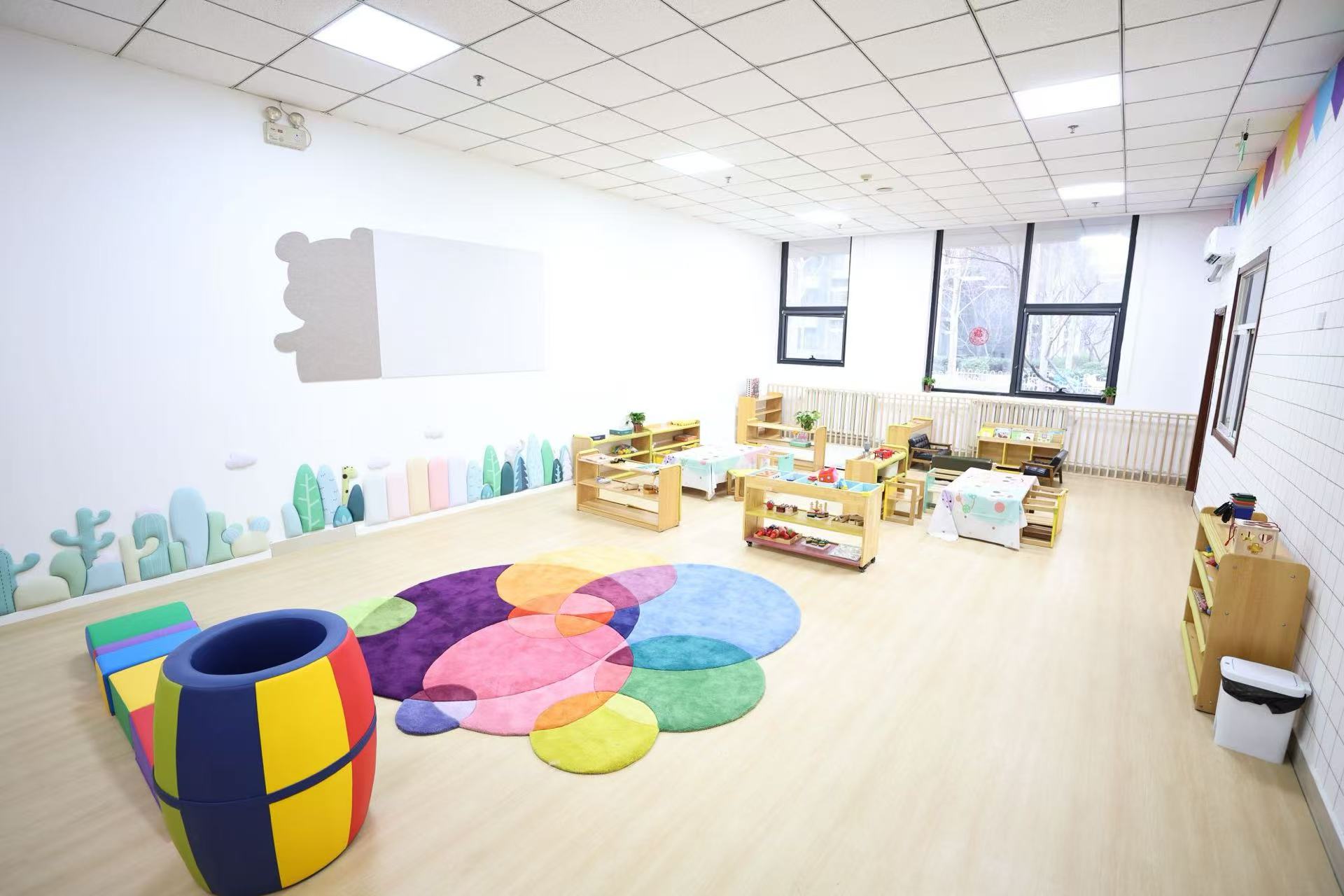
Core Viewpoint - The article highlights the transformation of child-rearing from a family-centric approach to a community-supported model in the Jinsong area, emphasizing the establishment of a scientific parenting guidance center and the launch of the first community-level standards for family-friendly community construction in the city [1][6]. Group 1: Community Support Initiatives - The Jinsong Street has launched the "Little Pinecone" daycare center, which aims to alleviate parenting challenges for 50 families by providing various childcare services [2][3]. - A comprehensive survey conducted by Jinsong Street revealed that the concerns of new parents have evolved from basic childcare to deeper issues related to child development and health support [2][4]. - The community is creating a supportive environment by establishing a network that includes parenting courses, family salons, and developmental consultations, all accessible within a 15-minute walk [1][6]. Group 2: Medical and Educational Collaboration - The scientific parenting guidance center collaborates with several medical institutions to form a "Medical-Education Alliance," which provides regular health education and free medical consultations in the community [4]. - A closed-loop medical mechanism has been established to ensure early detection and intervention for children's health issues, enhancing the overall quality of care [4]. Group 3: Training and Empowerment - The initiative includes a "Mom Empowerment Program" aimed at training experienced mothers and retirees to become certified community parenting instructors, thereby fostering a culture of shared knowledge and support [4]. - This program not only helps in childcare but also allows trained individuals to contribute to the community by sharing parenting knowledge online, creating a cycle of service and mutual assistance [4]. Group 4: Action Guidelines and Standards - The newly introduced "Family-Friendly Community Construction Standards" breaks down the concept of family-friendliness into eight actionable dimensions, including accessible childcare, maternal and child health, and community service networks [6]. - To ensure the effective implementation of these standards, a multi-dimensional support system has been established, involving cross-departmental collaboration and resource allocation [6].
破解“育儿焦虑”,鼓励政府补贴!托育服务法草案首次审议
2 1 Shi Ji Jing Ji Bao Dao· 2025-12-22 11:44
Core Viewpoint - The draft of the Childcare Services Law is a significant step by the government to address the needs of families with children under three years old and alleviate "parenting anxiety" [1] Group 1: Legislative Context - The Childcare Services Law has been included in the national economic and social development plan during the 14th Five-Year Plan period, indicating a fast-tracked legislative process [2] - The draft law aims to clarify the nature and responsibilities of childcare services, as well as government roles and financial structures [2][3] - The draft was presented for the first time at the 19th meeting of the 14th National People's Congress Standing Committee on December 22, 2023 [3] Group 2: Current Challenges - Over 30% of families with children under three have a need for childcare services, but the actual enrollment rate is only 7.86% [2] - Approximately 70% of childcare institutions are operating at a loss, and the average monthly fee in first-tier cities exceeds 5,500 yuan per person [2] - Only 6.15% of communities have established childcare service facilities [2] Group 3: International Experience - Countries like Denmark and South Korea have successfully promoted childcare development through legislation, with Denmark's government covering at least 75% of childcare costs [4][5] - Denmark's enrollment rates for children aged 0-3 were 74.7% in 2022 and 69.9% in 2023 [5] Group 4: Distinction from Early Education - Current laws in China contain only general provisions regarding childcare services, highlighting the need for specialized legislation to define its nature and positioning [6] - The draft law emphasizes that childcare focuses on care rather than education, necessitating separate legislation from early education laws [6][8] Group 5: Financial Support and Accessibility - The draft law proposes that childcare should be included in basic public services, requiring enhanced financial support from the government [11] - The central government has allocated 4.91 billion yuan to support the construction of childcare service centers and public childcare institutions from 2021 to 2024 [12] - Local governments are encouraged to explore family childcare service subsidy systems and to provide financial support for inclusive childcare services [12]
北京市朝阳区劲松街道成立科学育儿指导中心 将提供全链条社区支持
Xin Lang Cai Jing· 2025-12-19 17:25
Group 1 - The Chaoyang District of Beijing has established a comprehensive community support service for new parents, including a scientific parenting guidance center and the "Little Pine Cone" nursery, which offers various childcare services for children aged 0-3 years [1][3] - The nursery provides full-day, half-day, and temporary care services, with classes designed for different age groups, including infant classes (6-12 months), toddler classes (12-24 months), and older toddler classes (24-36 months) [3] - The initiative is based on a survey that identified the evolving concerns of new parents, shifting from "who will take care of the child" to "how to care for the child well" and "what to do when the child is sick" [3][4] Group 2 - The scientific parenting guidance center has formed a "medical-education alliance" with local hospitals to facilitate medical consultations for young children, ensuring early detection and intervention for developmental issues [4] - A set of standards for building "family-friendly communities" has been released, outlining eight dimensions including accessible childcare, maternal and child health, and community engagement, with specific indicators for evaluation [4] - Future plans include embedding "infant growth stations" in communities to provide accessible childcare, temporary care, and various parent-child activities within a 15-minute walking distance [4]