用户中心主义

Search documents
9年,2万家店:鸣鸣很忙靠“高质价比”切入大众市场成量贩零食“第一股”
第一财经· 2026-01-29 01:14
Core Viewpoint - The article highlights the rapid growth and innovative retail model of the snack brand "Ming Ming Hen Mang," which has transformed from a small street shop to a leading player in China's snack retail market with over 20,000 stores across 28 provinces in less than nine years, becoming the first stock of its kind listed on the Hong Kong Stock Exchange [1][12]. Group 1: Market Position and Strategy - The snack retail model has gained popularity in second and third-tier cities, becoming a common retail format alongside tea shops, putting pressure on traditional retail models [3]. - Ming Ming Hen Mang has shifted from a traditional "shelf thinking" approach to a user-centered model, focusing on what consumers need rather than merely what is available [3][4]. - Approximately 59% of Ming Ming Hen Mang's stores are located in county towns and rural areas, strategically tapping into a vast and underserved market [4]. Group 2: Cost Efficiency and Consumer Experience - The brand achieves competitive pricing not by sacrificing quality but through enhanced efficiency in its value chain, including direct connections with manufacturers and large-scale centralized purchasing [5]. - Ming Ming Hen Mang's products are, on average, about 25% cheaper than similar products in offline supermarkets, providing significant savings to consumers [5]. - The company creates an engaging shopping environment that enhances the emotional value of snack consumption, transforming the shopping experience into a joyful activity [5]. Group 3: Digital Infrastructure and Innovation - The success of Ming Ming Hen Mang is supported by improved infrastructure and logistics efficiency in China's unified market, enabling the management of over 20,000 stores [6]. - The company utilizes a digital system for inventory management and store operations, which enhances control and efficiency as it scales [8]. - Continuous product innovation is a key focus, with hundreds of new products launched monthly, keeping the consumer experience fresh and exciting [8]. Group 4: Market Trends and Future Outlook - The rise of domestic brands in the snack sector is supported by changing consumer preferences, particularly among younger generations who prioritize taste and experience over brand names [12]. - The snack retail market is expected to see significant growth, particularly in lower-tier markets, with a projected compound annual growth rate of 6.8% from 2024 to 2029 [12]. - Ming Ming Hen Mang aims to expand its presence across all areas in China, aligning its growth narrative with national industrial upgrades and the transition from "Made in China" to "Brand from China" [14].


海尔双11:第14次蝉联冠军背后是全域ToC转型
雷峰网· 2025-11-13 00:26
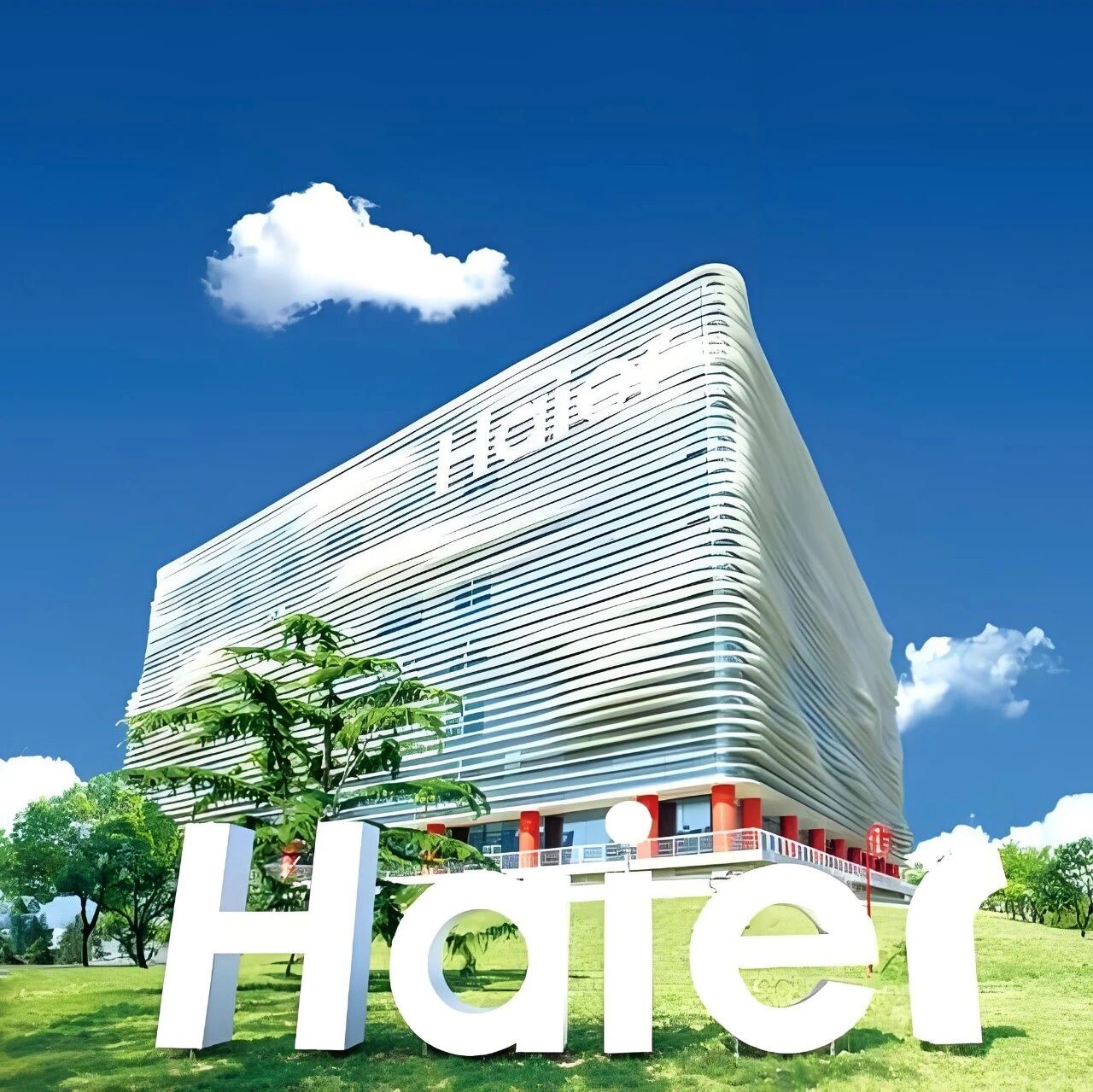
Core Viewpoint - The article emphasizes the transformation of Haier into a user-centric enterprise, highlighting the importance of deep user relationships as a new currency in the context of changing consumer behavior and market dynamics [2][18]. Group 1: Market Dynamics - The Double 11 shopping festival has evolved from a price competition to a comprehensive contest of product quality, service capability, and brand trustworthiness [2]. - Haier has achieved impressive results during Double 11, maintaining the top position in the market for 14 consecutive years across multiple categories and channels [2]. Group 2: User-Centric Innovation - Haier has shifted its focus from "operating products" to "operating users," allowing consumers to become partners in product innovation [4]. - The introduction of the "lazy three-tub washing machine" was driven by insights into user needs, leading to a broader product suite that addresses various aspects of smart living [4][6]. Group 3: Enhanced User Experience - Haier has improved user experience by advancing its supply chain and service chain, achieving a 74% direct delivery rate for products in the first three quarters [9]. - The company aims to transform one-time customers into lifelong users through a comprehensive service platform that supports the entire user lifecycle [9]. Group 4: Innovative Interaction - Haier engages consumers by demonstrating technology in real-life scenarios, enhancing understanding through direct interaction and community testing [10][11]. - The involvement of engineers in user communication fosters transparency and builds trust through professional and honest exchanges [14]. Group 5: Multi-Brand Strategy - Haier's multi-brand strategy effectively addresses diverse consumer needs, with brands like Casarte targeting high-end markets, Haier serving mainstream families, and Leader appealing to younger consumers [16]. - This strategy reflects a deep respect for user differences and ensures that various consumer segments find suitable solutions within Haier's ecosystem [16]. Conclusion - Haier's success in the Double 11 festival exemplifies its transformation into a user-centric company, demonstrating that deep trust and user relationships are essential for building a sustainable brand in today's transparent and promotional market [18].