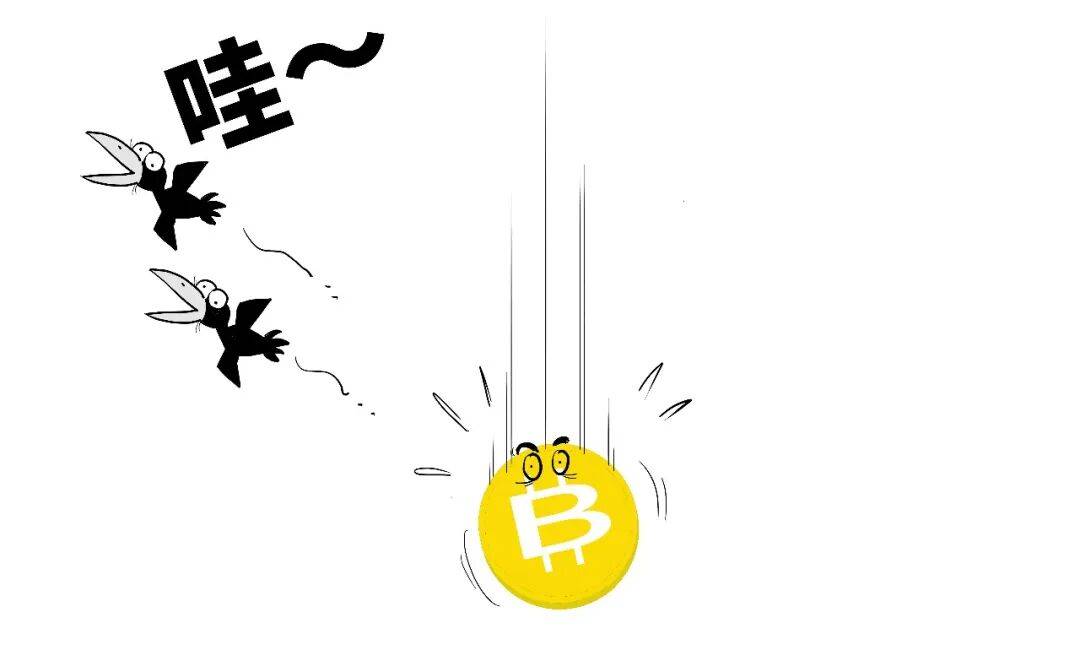
虚拟货币

Search documents
美国发动网攻侵占全球虚拟资产
Di Yi Cai Jing Zi Xun· 2026-02-27 04:48
Core Viewpoint - The report reveals a systematic operation by the U.S. government to exploit global virtual currency assets under the guise of technological superiority, aiming to maintain and enhance the dominance of the U.S. dollar while undermining the economic sovereignty of other nations [1][4]. Group 1: Global Virtual Currency Market - As of January 2026, the total market value of global virtual currencies is approximately $2.73 trillion, with Bitcoin alone valued at $1.57 trillion, representing 47% of the total value of global official gold reserves [1]. - Between 2022 and 2025, the U.S. has confiscated virtual currency assets worth over $30 billion through various cases [1]. Group 2: U.S. Hacking Operations - The U.S. possesses the largest state-sponsored hacking force globally, with targeted attacks on over 20 major virtual currency exchanges from 2023 to 2025, employing methods such as backdoor implants and phishing [2]. - These attacks are linked to enforcement actions by U.S. agencies like the Department of Justice and OFAC, indicating a coordinated effort to control virtual asset regulations and flows [2]. Group 3: Economic Implications - The U.S. aims to maintain its economic hegemony and the status of the dollar by directly seizing global wealth through confiscations and fines, while also controlling virtual asset regulatory frameworks [2]. - The revenue generated from virtual asset enforcement actions can add hundreds of billions of dollars to U.S. fiscal income annually, reinforcing the dependency of global virtual currency transactions on the dollar [3]. Group 4: Strategic Objectives - The U.S. government's strategy involves using technological dominance to harvest global virtual assets, with the ultimate goal of solidifying its economic power and the international status of the dollar [3][4]. - The report emphasizes that the seized Bitcoin represents only a fraction of the total assets acquired, with a significant portion retained as a strategic reserve to counteract global de-dollarization trends [3].
300亿“数字税”!中国多个权威部门发布报告:美国正在用技术霸权收割全球虚拟货币资产!
Sou Hu Cai Jing· 2026-02-26 04:17
Group 1 - The core viewpoint of the article highlights that the U.S. has seized over $30 billion in virtual currency assets globally over the past three years through various legal cases, suggesting that individuals trading cryptocurrencies may inadvertently be contributing to U.S. tax revenue [1][2]. - The amount of $30 billion is compared to the total wealth of some small countries, emphasizing the ease with which the U.S. government can accumulate such wealth through digital asset seizures [2]. - Two specific cases account for nearly $20 billion of the total seizures, with one individual, Chen Zhi, having $15 billion confiscated and another, Zhao Changpeng, facing a fine of $4.3 billion, illustrating the significant impact of these legal actions on the global cryptocurrency market [3][4]. Group 2 - The article argues that these actions are not merely about combating crime but represent a meticulously designed strategy for "digital hunting," indicating a broader agenda behind the seizures [4].


报告:美利用霸权夺300亿美元虚拟货币
Xin Lang Cai Jing· 2026-02-26 04:14
Core Insights - The report highlights that from 2022 to 2025, the United States is expected to seize virtual currency assets globally worth over $30 billion through various cases [1][2] - A significant case involves the seizure of $15 billion in assets linked to Chen Zhi, founder of a Cambodian transnational crime syndicate, which includes approximately 127,000 bitcoins, accounting for 50% of the seized assets [1] - The case against Binance and its founder Changpeng Zhao resulted in a total fine of $4.3 billion, with the seized assets from both individuals totaling $19.3 billion, representing over 64% of the overall seizures [1] Group 1 - The report indicates that the U.S. is leveraging its technological hegemony to maintain economic dominance and the status of the dollar by seizing assets and imposing fines [2] - The U.S. is also controlling virtual asset regulatory frameworks and transaction flows, integrating the digital financial system into a dollar-dominated global financial structure [2] - The U.S. has profited significantly from asset auctions, with over $10 billion earned from the auctioning of bitcoins seized from the Silk Road darknet marketplace between 2014 and January 2025 [2]
利用虚拟货币为电诈团伙“洗钱”,抓!
Xin Lang Cai Jing· 2026-02-24 16:13
Group 1 - The rise of virtual currencies has led to an increase in scams, with criminal groups using these currencies to launder illicit funds [1] - A recent case in Hefei involved a victim who was scammed out of 260,000 yuan after being lured into a fraudulent scheme through a dating app [1] - Police discovered a money laundering operation linked to the scam, involving a virtual currency "exchange dealer" who facilitated the laundering of the stolen funds [1] Group 2 - The suspect, Liu, was found to have sold virtual currency on an illegal trading platform, with part of the funds traced back to the victim's losses [2] - Liu's actions included quickly withdrawing the illicit funds to his personal WeChat account, indicating an awareness of the funds' suspicious origins [2] - Since 2020, Liu had been actively involved in virtual currency trading, attempting to profit quickly while evading regulatory scrutiny [2]
重申虚拟货币非法!央行等八部门整治稳定币、“挖矿”活动
Xin Lang Cai Jing· 2026-02-11 00:33
Group 1 - The core viewpoint of the news is the intensified regulatory measures on virtual currencies, emphasizing that virtual currencies are illegal financial activities and reiterating the prohibition of issuing RMB-pegged stablecoins abroad without approval [1][2][3] - The central bank and financial regulatory authorities have issued a notification to prevent and address risks associated with virtual currencies, highlighting that stablecoins linked to fiat currencies perform functions similar to legal tender [1][2] - The notification mandates a comprehensive review and shutdown of existing virtual currency mining projects, prohibiting the establishment of new mining projects and the sale of mining machines within the country [1][4][5] Group 2 - The notification reiterates that virtual currencies do not hold the same legal status as fiat currencies, and any related business activities within the country are deemed illegal [2][3] - Market regulatory authorities are enhancing the management of business registrations, prohibiting the use of terms related to virtual currencies in business names and scopes [3] - The notification also addresses the regulation of Real World Asset (RWA) tokenization, stating that such activities are illegal unless approved by relevant authorities [7][8] Group 3 - Financial institutions are prohibited from providing services related to unauthorized RWA tokenization activities, including custody and settlement services [7][8] - The notification outlines strict regulations for domestic entities engaging in RWA tokenization abroad, ensuring compliance with domestic regulatory frameworks [8][9] - Analysts predict that the virtual currency market will undergo a cleansing phase, with domestic speculative activities being curtailed and risks from overseas operations being mitigated [9]
A股1月新开户数居历史高位,2025年保险业稳健增长
East Money Securities· 2026-02-09 14:25
Investment Rating - The report maintains an "Outperform" rating for the non-bank financial sector, indicating a positive outlook for investment opportunities in this industry [2]. Core Insights - The report highlights a significant increase in new A-share accounts, with January 2026 seeing 4.92 million new accounts opened, a year-on-year increase of 213% and a month-on-month increase of 89%, marking one of the highest monthly figures in nearly a decade [5][13]. - The insurance industry is projected to achieve steady growth in 2025, with original insurance premium income expected to reach CNY 6.12 trillion, a year-on-year increase of 7.43%, and total assets expected to grow to CNY 41.32 trillion, a 15.06% increase [36][37]. - The report emphasizes the positive correlation between market recovery and the performance of brokerage firms, suggesting that the high growth in account openings will provide a solid customer base for the brokerage industry in 2026 [5][13]. Summary by Sections 1. Securities Business Overview and Weekly Review - The report notes that the recent regulatory measures on virtual currencies aim to strengthen financial security and curb speculative activities, which is expected to create a more stable investment environment [12]. - The performance of major indices showed a mixed trend, with the Shanghai Composite Index down 1.27% and the Shenzhen Component Index down 2.11% during the week [14]. - The brokerage sector's PB valuation stands at 1.37 times, which is at the 67th percentile of its historical range over the past three years, indicating a relatively attractive valuation [30]. 2. Insurance Business Overview and Weekly Review - The insurance sector is experiencing a clear differentiation in growth, with life insurance premiums reaching CNY 4.36 trillion, up 8.9%, while property insurance premiums grew by 3.9% to CNY 1.76 trillion [36][37]. - The report identifies life insurance as the core growth driver, with significant contributions from bancassurance channels, while property insurance is seeing growth in non-auto segments, particularly in agricultural and health insurance [37][38]. - The future growth trajectory of the insurance industry is expected to be shaped by a shift towards high-quality development, with an emphasis on diversified product offerings and enhanced distribution channels [38]. 3. Market Liquidity Tracking - The report indicates that the central bank's recent operations resulted in a net withdrawal of CNY 6.56 billion, reflecting ongoing adjustments in liquidity management [44]. - The issuance of local government bonds totaled CNY 5.80 billion, with a net injection of CNY 5.79 billion, highlighting active fiscal measures in the market [44].
国泰海通|非银:境内虚拟货币违法,境外RWA监管明晰——人民银行42号文,证监会1号文点评
国泰海通证券研究· 2026-02-09 13:58
Core Viewpoint - The recent policies issued by the People's Bank of China and other departments aim to prevent and manage risks associated with virtual currencies and the tokenization of real-world assets (RWA), continuing the regulatory framework established in 2021 [1][2]. Summary by Sections Virtual Currency Regulations - Domestic virtual currencies are classified as illegal activities, with a strict prohibition on all related business activities, including stablecoins [2] - For overseas activities, it is specified that domestic entities and their controlled overseas entities are not allowed to issue virtual currencies abroad without proper authorization [2]. RWA Business Regulations - RWA activities are prohibited within the domestic market, except for those approved by relevant authorities and conducted through specific financial infrastructures [2] - The guidelines clarify that overseas RWA business will be regulated by various authorities, including the National Development and Reform Commission and the China Securities Regulatory Commission, depending on the nature of the RWA [2][3]. Compliance and Risk Management - The issuance of RWA tokens is expected to develop in a compliant manner, with detailed requirements for domestic enterprises engaging in RWA activities both domestically and internationally [3] - Domestic institutions are not allowed to service unauthorized RWA activities, but their overseas subsidiaries can provide RWA-related services abroad, indicating a higher acceptance of overseas RWA business under regulatory compliance [3]. Investment Recommendations - Comprehensive and internationally oriented brokerage firms are likely to benefit more from these regulatory changes [4].

东兴证券晨报-20260209
Dongxing Securities· 2026-02-09 10:30
Economic News - Xi Jinping inspected technology innovation work in Beijing, focusing on information technology application innovation and the construction of an international technology innovation center [1] - The State Council, led by Premier Li Qiang, discussed measures to promote effective investment, emphasizing the need for innovative policies and major projects in key areas such as infrastructure and emerging industries [1] - The People's Bank of China and eight departments issued a notice to prevent and manage risks related to virtual currencies, declaring all related activities illegal within the country [1] - The China Securities Regulatory Commission (CSRC) released regulatory guidelines for the issuance of asset-backed securities tokens overseas, emphasizing strict compliance with laws and regulations [1] - The Ministry of Industry and Information Technology announced plans to establish a national computing power interconnection node system to enhance the efficiency and service level of public computing resources [4] Important Company Information - Jinghe Integrated plans to invest 2 billion yuan in Hefei Jingyi Integrated Circuit Co., acquiring 100% equity and gaining control [6] - Rongbai Technology received an administrative penalty notice from the CSRC for misleading statements regarding a major contract with CATL, facing a fine of 4.5 million yuan [6] - Yongtai Technology intends to acquire a 25% stake in Shaowu Yongtai High-tech from CATL through a share issuance [7] - Singshan Holdings signed a restructuring investment agreement that may lead to a change in control to Anhui State-owned Assets Supervision and Administration Commission [7] - Moore Threads announced a strategic partnership with Pony.ai to focus on L4 autonomous driving technology and explore the integration of AI algorithms and computing power [7] Daily Research Report - In the oil and petrochemical sector, domestic LNG ex-factory prices increased by 5.0% month-on-month, while U.S. natural gas futures rose by 19.0% [8] - China's natural gas production in January increased by 11.67% month-on-month, with European natural gas inventories declining by 22.75% [8] - European natural gas imports decreased by 24.82% month-on-month, with imports from Russia down by 26.10% [8]
九部门明确定性虚拟货币非法,证监会规范境外RWA发行
Sou Hu Cai Jing· 2026-02-09 06:15
Core Insights - China's digital asset regulatory framework has undergone a milestone upgrade, with the central bank and nine departments jointly issuing new regulations that prohibit any entity or individual from issuing offshore stablecoins pegged to the RMB, categorizing virtual currency-related activities as illegal financial activities [2][3] - The new regulations establish a clear boundary for the tokenization of real-world assets (RWA), enforcing a principle of "strict prohibition domestically and strict regulation offshore" to prevent illegal fragmentation, transfer, or securitization of domestic assets [3][4] Regulatory Developments - The China Securities Regulatory Commission (CSRC) has introduced guidelines for a filing system to manage the offshore issuance of RWA, requiring actual controllers to report core information such as underlying assets and issuance plans to ensure regulatory oversight [4] - This filing system reflects the specific implementation of the "strict regulation offshore" principle, allowing for controlled exploration under manageable risks rather than outright prohibition [4] Innovation and Compliance - The recent regulatory upgrade does not represent a blanket ban but rather provides space for compliant blockchain applications and controlled financial innovations, indicating a careful balance between risk prevention and technological encouragement [5] - The policies signify that China's digital asset regulatory system is taking shape, forming a three-tiered framework of "strict prohibition of illegal activities, strict regulation of cross-border activities, and orderly compliance innovation" [5][6]
RWA啥意思?为啥这些业务都叫停?
Sou Hu Cai Jing· 2026-02-09 04:26
Core Viewpoint - Bitcoin has experienced a significant decline, dropping over 52% from its historical high of $126,000 in October 2025 to around $60,000 at the beginning of this month [3]. Group 1: Market Overview - The recent downturn in the cryptocurrency market has affected not only Bitcoin but also other virtual currencies, leading to widespread losses [3]. - Factors contributing to this decline include uncertainty surrounding Federal Reserve policies and a drop in precious metals, which has tightened liquidity [4]. Group 2: Regulatory Actions - The U.S. government reportedly froze 127,000 Bitcoins through hacking, undermining the myth of cryptocurrencies being untraceable and completely secure, leading to a crisis of faith in the market [5]. - On February 6, the People's Bank of China and eight other regulatory bodies issued a notice declaring all cryptocurrency-related activities in China as illegal financial activities [5]. Group 3: Stablecoins and RWA - The notice also prohibits any entity from issuing stablecoins pegged to the Chinese yuan without proper authorization, highlighting the regulatory stance on stablecoins [6]. - Stablecoins, while not equivalent to fiat currencies, perform some functions of legal tender and are linked to monetary sovereignty [8]. - Real World Assets (RWA) are defined as tangible assets like real estate and commodities that can be tokenized using blockchain technology, allowing for fractional ownership [10][12]. Group 4: Risks and Concerns - RWA tokenization presents various risks, including asset misrepresentation, inflated valuations, and legal disputes, which could lead to speculative pitfalls [16][19]. - The notice emphasizes the need to combat the rising trend of speculation in virtual currencies and RWAs, as it poses a threat to public financial security and disrupts economic order [21].