电影+跨界融合

Search documents
20亿春节档背后的"一家独大":沈腾10亿一骑绝尘,《镖人》成最贵陪跑
创业邦· 2026-02-18 10:12
Core Viewpoint - The 2026 Spring Festival box office has reached 20.55 billion yuan, indicating a potential record-breaking year, but there is a stark contrast between blockbuster successes and the struggles of mid-tier films [2][3][40]. Box Office Performance - The total box office for the Spring Festival reached 20.55 billion yuan, with 41.49 million tickets sold and an average ticket price of 49.5 yuan [2]. - "Flying Life 3" dominated the box office with 1.006 billion yuan, accounting for 48.9% of the total, while "Silent Awakening" followed with 354 million yuan [6][11]. - Other films like "Bears Year After Year" and "Bounty Hunter: Wind Rises in the Desert" earned 269 million and 222 million yuan respectively, showcasing a clear divide in audience preference [7][18]. Audience Preferences - The audience's preference for comedy and family-friendly films remains strong, as evidenced by the success of "Flying Life 3" and "Bears Year After Year" [9][21]. - The serious tone of "Silent Awakening" did not resonate well with audiences during the festive period, leading to mixed reviews and lower box office performance [15][16]. - "Bounty Hunter: Wind Rises in the Desert" underperformed despite a star-studded cast, highlighting a disconnect with younger audiences [18][19]. Industry Dynamics - The Spring Festival has evolved into a platform for risk management and profit-sharing among major film companies, with significant investments from companies like Maoyan Entertainment and Damai Entertainment [22][24]. - The strategic choices of these companies, such as Maoyan's focus on smaller films alongside blockbusters, have proven effective in navigating the competitive landscape [26]. - The film industry is facing challenges related to audience aging, with the average viewer's age increasing from 30.5 to 32.5 years, raising concerns about attracting younger audiences [34][39]. Technological Impact - The industry is on the brink of a technological transformation, with advancements in AI and video technology expected to reshape filmmaking and audience engagement [37][38]. - The integration of brand placements and cross-industry collaborations is becoming more prevalent, enhancing revenue streams beyond traditional box office sales [30][33]. Future Outlook - The 2026 Spring Festival is seen as a critical period for the film industry, with expectations for improved content quality and audience engagement strategies to sustain box office growth [28][40]. - The industry's ability to adapt to changing audience demographics and preferences will be crucial for its long-term success [39].


八大新春观影福利,激活春节档消费新场景
Nan Fang Du Shi Bao· 2026-02-04 16:00
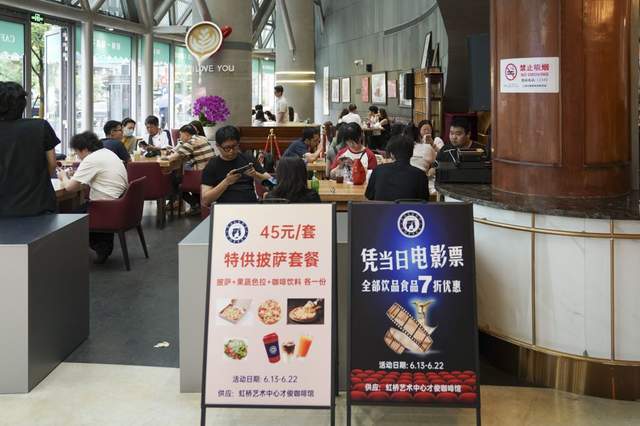
马年春节档即将盛大启幕,广东省电影局联动多部门重磅推出"看电影、享优惠"等八大新春观影福利, 以"电影+"跨界融合的创新模式,激活假日消费潜能,为全省群众与游客打造一场兼具文化深度、科技 亮点与惠民温度的光影盛宴。 值得一提的是,广东今年的八大新春观影福利中还包含超过百场公益观影专场,重点面向外卖骑手、快 递员、环卫工人、退役军人、残障人士、赴粤团聚留守儿童等群体,共计发放15000张电影票,让文化 惠民的温度传至岭南大地的每一个角落。通过"电影+"新春大礼包的发放,电影将成为联结文旅、餐 饮、购物甚至公益的纽带,有效实现刺激消费与文化惠民的双重目标,为广东电影市场注入强劲动力。 说到底,电影品质才是观众买票的根本驱动力。广东之所以能24年蝉联全国"第一票仓",靠的不仅是扎 实的消费力和高回报率的优惠机制,更有对影视生产长年累月的系统性培育。2025年5月,广东就重磅 推出《关于推动广东影视产业高质量发展的若干政策措施》,将影视制作的全链条考虑在内,提供了从 选题孵化到拍摄服务、从资金激励到人才培养的全链路扶持体系。 在此激励下,全年广东电影备案数量高达313部,居全国第二,显示出内容生产者前所未有的热情与底 ...
2025年中国电影全产业链产值超8100亿元 位居全球前列
Yang Guang Wang· 2026-01-22 00:42
Core Insights - The National Film Administration of China reported that by 2025, the total value of the Chinese film industry chain is expected to exceed 810 billion yuan, with a box office multiplier of approximately 1:15.77, ranking among the top globally [1][2] - The estimated total value of the Chinese film industry chain in 2025 is projected to reach 817.26 billion yuan, with core industry segments such as production, distribution, and exhibition contributing 226.62 billion yuan [1] - The indirect value from film equipment procurement and technical services is estimated at 251.55 billion yuan [1] Industry Developments - The first virtual reality cinema in China, 798 Super Dimension Vision, has recently opened in Beijing, currently screening 13 VR films regularly [1] - China is the first country in the world to incorporate virtual reality into film management, which is expected to significantly impact the artistic essence, market operations, and viewing modes in cinemas [1] Economic Impact - In the 2025 film industry chain, the value generated from dining, transportation, and tourism related to movie viewing is projected to be 339.10 billion yuan [2] - The trend of "one movie igniting a city" is becoming more common, indicating a shift in consumer logic through the integration of "film+" initiatives [2] - The launch of "China's Film Consumption Year" aims to transform the allure of cinema into tangible consumer spending through activities like traveling and dining inspired by films [2]

向潮头而立
Xin Lang Cai Jing· 2025-12-30 20:11
Core Insights - The article highlights the evolution of the Chinese film industry over 120 years, showcasing its transformation from a "film minor" to a "film major" and now aiming for "film power" status, driven by reforms, technological advancements, and cultural soft power [1][8] Historical Development - The Chinese film industry has undergone significant changes, starting from the 1950s and 60s with state-run film enterprises dominating production under a planned economy [2] - The 1980s saw the emergence of market-oriented films, leading to unprecedented box office successes, although a market system was not yet established [2] - The 1990s introduced Hollywood blockbusters to Chinese audiences, prompting local filmmakers to adapt and innovate in production and marketing [2] Structural Changes - The establishment of the first 30 cinema chains in June 2002 marked a pivotal shift, breaking the old distribution model and establishing cinemas as market entities [2] - The implementation of the Film Industry Promotion Law in 2017 clarified the path for industrialization, integrating film development into national economic planning [3] Technological Advancements - By 2024, China is projected to have 90,968 cinema screens, the highest globally, with advancements in technology enhancing the viewing experience, such as CINITY giant screens and Dolby Atmos sound [3] - The evolution of film technology in China reflects a journey from reliance on foreign techniques to achieving significant domestic capabilities, particularly in special effects [4][5] Market Dynamics - The Chinese box office has seen remarkable growth, from approximately 950 million yuan in 2002 to a peak of 64.266 billion yuan in 2019, indicating the market's vast potential [5] - The rise of internet platforms has transformed ticket purchasing habits, making the viewing experience more convenient and social [6] Industry Trends - The market is transitioning from an "incremental era" to a "stock era," with filmmakers exploring innovative practices to address challenges such as audience turnout and reliance on peak periods [6] - The film industry is increasingly integrating with other sectors, creating a comprehensive consumption ecosystem that extends beyond traditional box office revenue [7] Future Outlook - By 2025, projections indicate that China's box office will exceed 50 billion yuan, with overseas revenue surpassing 1 billion yuan, reflecting a growing international presence [7] - The article emphasizes the need for the industry to navigate challenges posed by new technologies and market saturation while enhancing its industrial capabilities and storytelling depth [8]
时评:“电影票根”何以撬动市场大消费?
Sou Hu Cai Jing· 2025-07-04 06:20
Core Insights - The Chinese film industry is experiencing significant growth, with box office revenue reaching 29.231 billion yuan and 641 million admissions in the first half of 2025, representing year-on-year increases of 22.91% and 16.89% respectively, while domestic films accounted for 91.2% of the box office [1][3] Group 1: Domestic Film Performance - Domestic films have shown remarkable success, with the film "Ne Zha" achieving a global box office of over 15.44 billion yuan, ranking fifth in global box office history, indicating a leap in both industrial production standards and artistic expression [3] - The diverse genre landscape and high production quality of domestic films are continuously attracting audiences, with upcoming films like "The Son of Time" and "The Lychee of Chang'an" expected to maintain this momentum [3] Group 2: Policy and Market Dynamics - Various consumption promotion policies have effectively lowered barriers and boosted consumer willingness, with initiatives like the "China Film Consumption Year" providing 91.25 million yuan in subsidies, leading to an additional box office increase of over 540 million yuan [4] - The "Film Benefit Consumption Season" initiative, with 780 million yuan in subsidies, generated 6.088 billion yuan in box office revenue, showcasing the effectiveness of these measures in stimulating market activity [4] Group 3: Cross-Industry Integration - The "Film+" initiative has successfully expanded consumption avenues, linking film with tourism, transportation, and dining, thus creating a multi-faceted consumption ecosystem [5] - The integration of the film industry with other sectors is fostering a composite consumption chain that includes various activities beyond just viewing films, enhancing overall market vitality [5] Group 4: Institutional Innovation - The introduction of regulations allowing Hong Kong and Macau service providers to invest in film production in mainland China is expected to bring in advanced experiences and capital, promoting creative diversity and industry upgrades [6] - There is a need for optimized policies to support international cooperation and innovation in film content, including the establishment of special funds for co-productions and improved intellectual property protections [6]