
电梯安全

Search documents
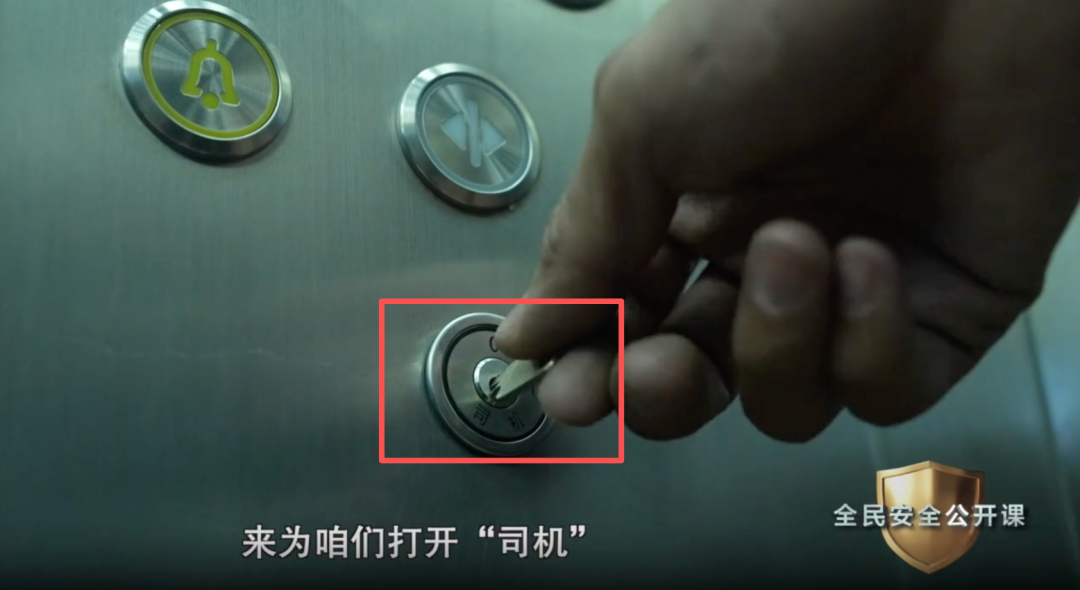
千万别再倚靠电梯门,小心坠落
Xin Lang Cai Jing· 2026-02-07 06:21
Core Viewpoint - The article emphasizes the safety hazards associated with elevator usage, particularly the dangers of leaning against elevator doors and improper behaviors that can lead to accidents. Group 1: Elevator Safety Hazards - Leaning against elevator doors poses a significant risk as they are often made of a single layer of metal, which can unexpectedly open if the elevator is not at the correct floor, leading to potential falls [1] - Blocking elevator doors with hands or objects to keep them open can cause serious injuries, as there are blind spots in the door sensors that may not detect small objects [1] - Attempting to force open elevator doors during a malfunction can result in falls into the elevator shaft, as there may be gaps between the elevator car and the floor [4] Group 2: Proper Elevator Usage - If an elevator door needs to remain open for an extended period, it is advisable to contact property management or maintenance personnel to safely enable a special mode [2] - In case of an elevator malfunction, individuals should use the emergency bell or intercom to contact management and avoid taking dangerous actions like climbing out of the elevator [10] - Modern elevators are designed with ventilation systems to prevent suffocation, ensuring that individuals trapped inside do not face oxygen deprivation [12] Group 3: Emergency Procedures - In the event of a rapid descent, pressing all floor buttons can help stop the elevator if the emergency power activates [14] - Adopting a protective posture by leaning against the elevator wall and bending knees can help mitigate injury during a fall [16] - It is crucial to remain calm and wait for rescue if trapped, avoiding any attempts to force the doors open [18]

急速下坠、人员被困、关门夹人……110万台高龄电梯更新难在哪?
Xin Jing Bao· 2026-02-02 03:40
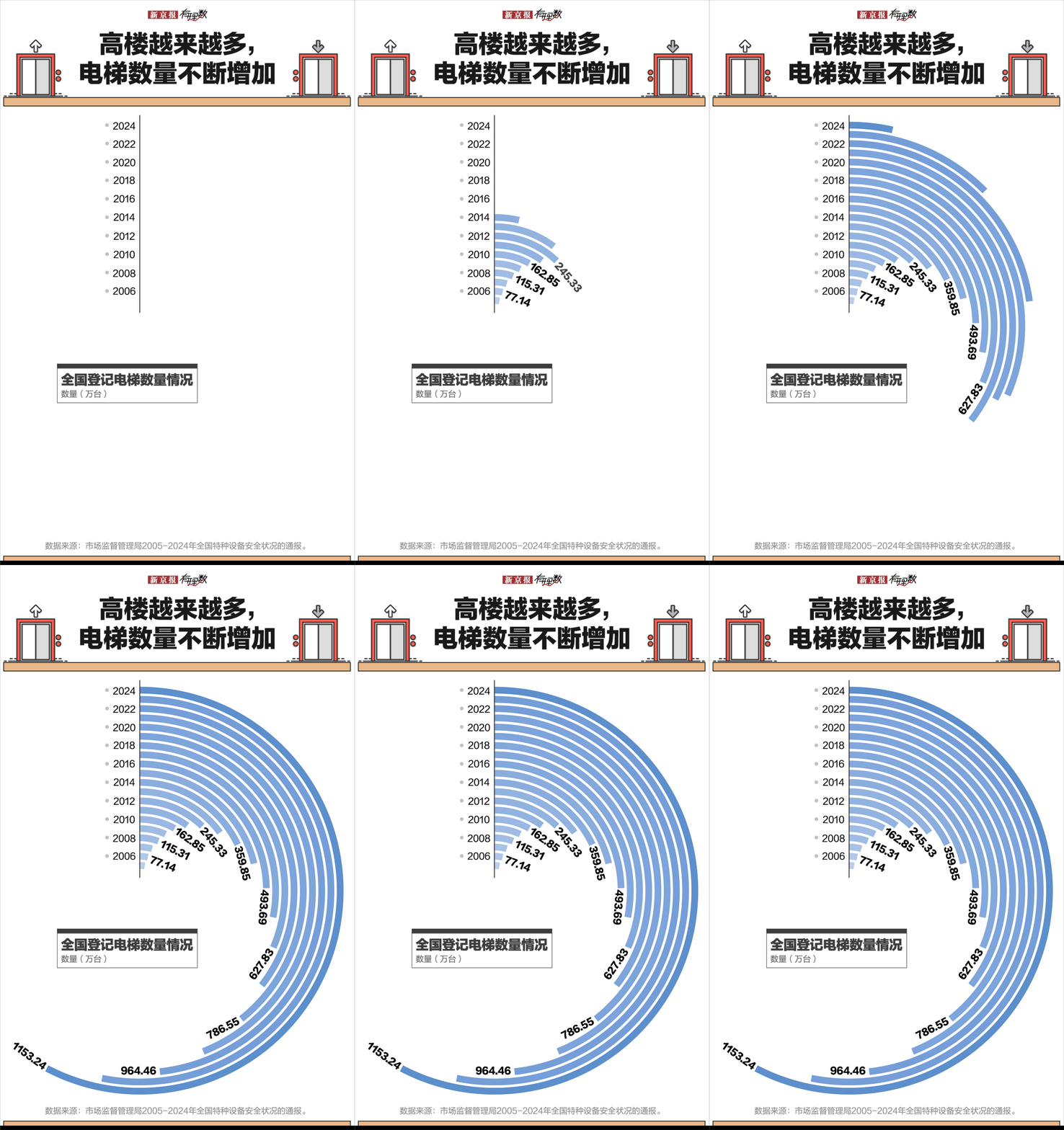
Core Viewpoint - The increasing aging of elevators in China poses significant safety risks, with a notable rise in accidents and fatalities associated with outdated equipment [2][4][5]. Group 1: Elevator Safety Issues - As of the end of 2024, there are approximately 11.53 million registered elevators in China, with about 800,000 of them being over 15 years old [2][4]. - In 2024, there were 41 elevator accidents resulting in 27 fatalities, highlighting the critical safety concerns associated with aging elevators [5]. - Residential elevators account for nearly 60% of all elevator accidents, indicating a high risk in this sector [5][7]. Group 2: Challenges in Maintenance and Upgrades - The lack of modernization in older elevators, which do not meet current safety standards, is a significant factor contributing to accidents [7][10]. - Funding for elevator upgrades is a major challenge, as many residents in older communities struggle to reach a consensus on financial contributions for necessary renovations [11][12]. - There is a significant shortage of qualified elevator maintenance personnel, with a gap of 500,000 to 700,000 workers, exacerbating the maintenance issues [13][15]. Group 3: Government and Community Initiatives - The government has included over 160,000 old residential elevators in a special bond subsidy program, allocating 24 billion yuan for upgrades [16]. - Effective management of elevator maintenance and upgrades requires collaboration among various stakeholders, including residents, property management, and government entities [15][17].
涉及5G移动通信安全等,这些国家标准2月1日起实施
Xin Hua She· 2026-02-01 01:15
Group 1 - The implementation of new national standards starting February 1 aims to guide and regulate emerging industries, protect consumer rights, and ensure public safety [1][2][3][4] - The "5G Mobile Communication Network Security Technical Requirements" standard establishes a security framework for 5G networks, enhancing communication security capabilities during integration with vertical industries [1] - The "Software Process Capability Maturity Model" standard outlines requirements for software process improvement, promoting the overall capability level of the software industry in China [1] Group 2 - The "Energy Metering Equipment Provision and Management Guidelines" standard mandates principles and accuracy requirements for energy metering, aiding energy conservation and economic efficiency for enterprises [2] - The "Guidelines for the Conversion of Scientific and Technological Achievements into Standards" standard facilitates the transformation of cutting-edge technologies into standards, promoting deep integration of standards with technological and industrial innovation [2] - The "General Technical Requirements for Student Rest Desks and Chairs" standard ensures the quality of rest furniture for students, addressing the needs of non-boarding school students [2] Group 3 - The "Design Guidelines for Elderly Furniture" standard provides design recommendations to better meet the needs of elderly users, improving their quality of life and safety [3] - The "Barcode Symbol Placement Requirements" standard standardizes barcode placement on products, enhancing data collection efficiency in the supply chain [3] - The "Consumer Experience Center Construction and Service Guidelines" standard establishes principles for building consumer experience centers, promoting high-quality economic development through improved product evaluation and service levels [3] Group 4 - The "Elevator Safety Requirements Part 2" standard specifies safety parameters for elevators and their components, providing technical support for safety evaluations [4] - The "Basic Requirements for Earthquake Rescue Team Capability" standard outlines overall requirements for rescue teams, enhancing the effectiveness of life-saving operations during earthquake disasters [4]
涉及5G移动通信安全等,这些国家标准2月1日起将实施
Xin Hua Wang· 2026-01-31 12:13
Group 1 - The implementation of new national standards starting February 1 will enhance safety and quality across various sectors, including 5G communication, education, and consumer services [1][2][3] - The "5G Mobile Communication Network Security Technical Requirements" standard establishes a security framework for 5G networks, focusing on access security, network security, user privacy protection, and safety services [1] - The "Software Process Capability Maturity Model" standard aims to improve software process management and overall industry capability, promoting sustainable development in China's software sector [1] Group 2 - The "Energy Metering Equipment Provision and Management Guidelines" standard sets requirements for energy metering tools, which will aid energy conservation and improve economic efficiency for energy-consuming units [2] - The "Guidelines for the Conversion of Scientific and Technological Achievements into Standards" standard facilitates the integration of cutting-edge technologies into industry standards, fostering innovation [2] - The "General Technical Requirements for Student Rest Desks and Chairs" standard ensures the quality and safety of furniture used by students, addressing their health and well-being [2] Group 3 - The "Design Guidelines for Elderly Furniture" standard provides design recommendations to enhance the usability and safety of furniture for elderly users, improving their quality of life [3] - The "Barcode Placement Requirements" standard standardizes barcode placement on products, enhancing data collection efficiency in the supply chain [3] - The "Consumer Experience Center Construction and Service Guidelines" standard aims to improve product evaluation and consumer experience, driving higher product quality and service levels [3] Group 4 - The "Elevator Safety Requirements" standard outlines safety parameters for elevators and their components, providing a technical basis for safety evaluations [4] - The "Basic Requirements for Earthquake Rescue Teams" standard specifies capabilities and equipment requirements for various types of rescue teams, enhancing disaster response effectiveness [5]
哈尔滨市联合开展电梯困人应急救援演练
Xin Lang Cai Jing· 2026-01-26 08:42
Core Viewpoint - The recent emergency rescue drill conducted by Harbin Special Inspection Institute, in collaboration with Harbin Metro Group and Dongyi Construction Group, aims to enhance public awareness of elevator safety and improve emergency response capabilities [1][3]. Group 1: Emergency Drill - The drill simulated a scenario where passengers were trapped in an elevator due to a sudden malfunction, demonstrating the emergency response process from alarm verification to rescue execution [1]. - Safety management personnel quickly arrived at the scene to calm trapped individuals, while professional maintenance staff followed safety protocols to conduct the rescue [1]. Group 2: Public Awareness - At the drill site, safety inspectors engaged with the public by providing educational materials and demonstrations on safe elevator usage, common faults, and appropriate responses to emergencies [1][2]. - Special attention was given to vulnerable groups such as children and the elderly, emphasizing basic safety rules like "do not pry open doors" and "stay calm in emergencies" [2]. Group 3: Community Involvement - The event served as a practical example of building a community-based safety governance framework, encouraging citizens to become advocates and supervisors of elevator safety [3]. - The Harbin Special Inspection Institute plans to continue promoting safety education and technical guidance, aiming to enhance elevator safety management and public confidence in the city [3].
2024年全国41起电梯事故致27死
Xin Lang Cai Jing· 2026-01-09 11:29
Core Viewpoint - The article highlights the significant safety risks associated with aging elevators in China, particularly those over 15 years old, and emphasizes the need for improved maintenance and regulatory oversight to prevent accidents and ensure public safety [1] Group 1: Elevator Safety Concerns - There are over 1.1 million elevators in China that are over 15 years old, contributing to public safety hazards due to mechanical wear and aging electronic components [1] - In 2024, there were 41 elevator accidents resulting in 27 fatalities, with over 30% of special equipment accidents related to elevators [1] Group 2: Maintenance Challenges - The cost of maintaining older elevators increases significantly, leading to challenges in funding repairs, which often require contributions from homeowners [1] - Issues such as inadequate maintenance practices, including "repair instead of maintenance" and falsified records, exacerbate safety risks [1] Group 3: Regulatory and Technological Responses - The government has included over 160,000 aging residential elevators in a special bond subsidy program, with funding amounting to 24 billion yuan, to address maintenance issues [1] - Innovative solutions, such as assigning unique QR codes to each elevator for tracking maintenance history and implementing smart monitoring systems, are being explored to enhance safety [1]
全国共排查隐患电梯11.4万台 现存电梯维修相关企业超6.8万家
Xin Lang Cai Jing· 2025-12-28 08:06
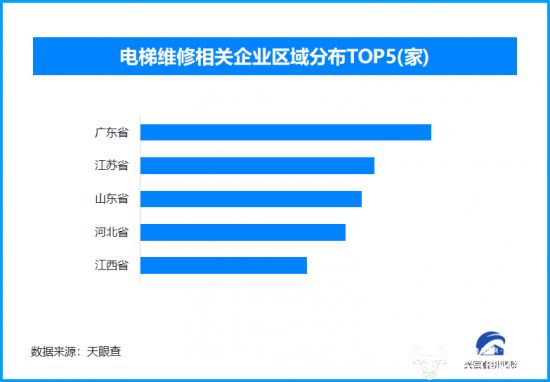
Group 1 - The national inspection has identified 114,000 potentially hazardous elevators, all of which have been rectified. By 2025, over 53,000 defective elevators will be recalled, and more than 160,000 old residential elevators will be included in a special long-term bond subsidy program with a funding amount of 24 billion yuan [1] - The State Administration for Market Regulation is accelerating the revision of the "Elevator Safety Technical Regulations" to enhance safety measures throughout the production and usage phases, establishing a coordinated mechanism for the entire lifecycle of elevators [1] - Comprehensive and reliable corporate information is crucial for ensuring safety and mitigating risks in the elevator industry, especially for property companies selecting maintenance service providers and enterprises seeking component suppliers or making industry investments [1] Group 2 - Elevator maintenance is a highly technical and responsibility-driven profession. Users can conveniently access information about core technical personnel and management teams to assess their professional capabilities and stability [2] - As of now, there are over 68,000 elevator maintenance-related enterprises in China, with Guangdong, Jiangsu, and Shandong provinces having the highest number of such companies, exceeding 7,800, 6,300, and 6,000 respectively [2]
【图说】隐患
Xin Lang Cai Jing· 2025-12-24 19:51
Core Viewpoint - The article highlights the critical importance of elevator maintenance and safety, emphasizing that inadequate maintenance practices pose significant risks to public safety, despite existing regulations and standards [1]. Industry Overview - Elevator maintenance is governed by strict standards, with a saying in the industry that "three parts depend on manufacturing, seven parts depend on maintenance" [1]. - Current issues in elevator maintenance include practices such as substituting repairs for maintenance, superficial inspections, and falsifying records, which compromise safety [1]. Regulatory Framework - China's regulations, including the "Special Equipment Safety Supervision Regulations" and "Elevator Maintenance and Repair Rules," clearly define the responsibilities, content, and frequency of elevator maintenance [1]. - Despite these regulations, many residential areas exhibit poor maintenance practices, indicating a gap between policy and implementation [1]. Challenges in the Industry - The industry faces challenges such as a shortage of professional maintenance personnel, intense price competition, and inadequate supervision by property management [1]. - The complexity of elevator systems, composed of thousands of components, means that even minor wear or aging of parts can lead to significant safety issues [1]. Recommendations for Improvement - To enhance elevator safety, it is essential to eliminate internal competition within the industry, establish price guidance for maintenance services, and innovate the use of residential repair funds [1]. - Maintenance units should be held accountable, utilizing technologies like QR codes and facial recognition to ensure traceability in maintenance processes and prevent fraud [1].
督促召回缺陷电梯5.3万余台:市场监管总局加大力度守护群众乘梯安全
Zhong Guo Jing Ji Wang· 2025-12-16 14:23
Core Viewpoint - The State Administration for Market Regulation (SAMR) has implemented a series of safety measures for elevators, including recalling over 53,000 defective elevators and promoting the upgrade of over 160,000 old residential elevators with a subsidy of 24 billion yuan [1] Group 1: Safety Measures and Actions - In 2025, SAMR has urged the recall of more than 53,000 defective elevators to proactively manage risks [1] - The agency is promoting the upgrade of over 160,000 old residential elevators, which will be included in a special long-term bond subsidy program amounting to 24 billion yuan [1] - The establishment of the "96333" emergency response platform is underway, enhancing smart regulatory applications, currently covering over 10 million vertical elevators nationwide [1] Group 2: Industry Standards and Training - SAMR, in collaboration with the All-China Federation of Trade Unions, organized the "Safety Cup" competition to encourage over 770,000 maintenance personnel to improve their skills [1] - The competition featured 1,000 frontline elites competing to set industry benchmarks, ensuring safety for over 4 billion elevator trips [1] - Future plans include higher standards and stricter requirements, with revisions to the "Elevator Safety Technical Regulations" to optimize measures across all stages from production to usage [1]
市场监管总局:目前全国共排查隐患电梯11.4万台 已全部整改
Yang Shi Xin Wen· 2025-12-16 09:43
Core Viewpoint - The State Administration for Market Regulation has initiated a three-year action plan focused on elevator safety, emphasizing strict inspections and rectifications of unsafe elevators across the country [1]. Group 1: Safety Inspections and Rectifications - A total of 114,000 unsafe elevators have been identified and rectified nationwide [1]. - By 2025, over 53,000 defective elevators are expected to be recalled by manufacturers [1]. Group 2: Support for Old Elevators - More than 160,000 residential elevators have been included in a special long-term bond subsidy program, with a total subsidy amounting to 24 billion yuan [1]. Group 3: Emergency Response and Infrastructure - The "96333" emergency response platform now covers over 10 million vertical elevators, establishing a rapid rescue system [1]. - China's total number of elevators has surpassed 12 million, which is greater than the total number of elevators in all other countries combined [1]. Group 4: Regulatory Developments - The State Administration for Market Regulation is expediting the revision of the "Elevator Safety Technical Regulations" to enhance safety measures throughout the entire lifecycle of elevators, from production to usage [1].