电池技术路线选择

Search documents
只用了3年,中国人就把磷酸铁锂捧上了王座
36氪· 2025-10-11 13:35
Core Viewpoint - The article discusses the significant shift in the electric vehicle (EV) battery market, highlighting the rise of lithium iron phosphate (LFP) batteries over ternary lithium batteries, driven by cost advantages and technological advancements [5][11][60]. Group 1: Market Dynamics - In 2019, ternary lithium batteries held a market share of 65% in new car sales, but by recent years, LFP batteries have surpassed 80% in installation volume, pushing ternary lithium batteries down to less than 20% [9][11]. - The shift in consumer preference towards LFP batteries is attributed to their cost-effectiveness, especially as subsidies for EVs began to decline in 2022, prompting manufacturers to seek cheaper alternatives [27][30]. Group 2: Technical Comparisons - Ternary lithium batteries have higher energy density, allowing for larger battery packs and better performance in cold conditions, but they are also more sensitive to overcharging and can be prone to safety issues [32][40]. - LFP batteries, on the other hand, are more stable, have longer cycle lives, and can handle charging and discharging more robustly, making them more user-friendly in practical scenarios [42][45]. Group 3: Supply Chain and Production - China dominates the LFP battery market, accounting for over 95% of global production, with nearly all key materials sourced from Chinese companies [63][64]. - Major international companies are now investing in LFP battery production, but many still rely on Chinese technology and materials, indicating a significant shift in the global supply chain [65][68]. Group 4: Future Outlook - The article suggests that the future of EV batteries may not solely depend on advanced chemical properties but rather on cost-effectiveness and durability, which LFP batteries provide [74][76]. - The success of LFP batteries is seen as a crucial factor in making electric vehicles more accessible to the general public, thus promoting broader adoption of renewable energy vehicles [75][78].



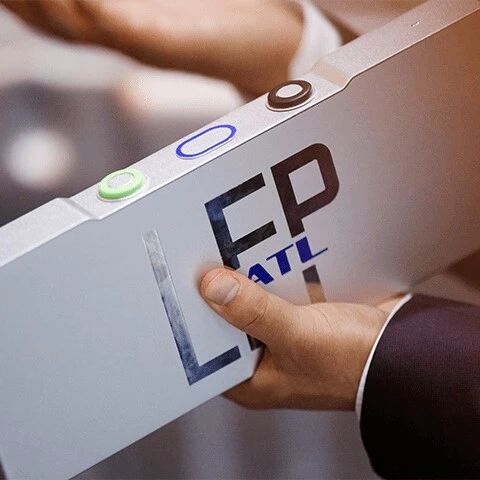
只用了3年,中国人就把磷酸铁锂捧上了王座
Hu Xiu· 2025-10-04 00:04
Core Viewpoint - The article discusses the shift in the electric vehicle (EV) battery market from ternary lithium batteries to lithium iron phosphate (LFP) batteries, highlighting the reasons behind this transition and the implications for the industry [1][10]. Group 1: Market Dynamics - In 2019, ternary lithium batteries held a market share of 65% in new car sales, but by recent years, LFP battery installations have exceeded 80%, pushing ternary lithium's share below 20% [4][5]. - High-end vehicles, previously associated with ternary lithium batteries, are now increasingly adopting LFP batteries, indicating a significant change in consumer perception [6][7]. - The price of vehicles is no longer a barrier for using LFP batteries, as even luxury models are now equipped with them [6][7]. Group 2: Technical Comparison - Ternary lithium batteries are composed of nickel, cobalt, and manganese, which are more expensive and have limited global availability, while LFP batteries are based on more abundant materials [12][16]. - Despite the higher energy density of ternary lithium batteries, LFP batteries have advantages in terms of safety, longevity, and cost-effectiveness, making them more appealing as subsidies for EVs decrease [19][21][35]. - Innovations in LFP technology, such as rapid charging capabilities and improved thermal management, have enhanced their performance, making them competitive with ternary lithium batteries [38][44]. Group 3: Industry Implications - The dominance of LFP batteries in the market is largely attributed to Chinese companies, which control over 95% of the global LFP battery production and have advanced in key technologies [60][61]. - International manufacturers are now investing in LFP battery production, often relying on Chinese technology and materials, indicating a shift in the global supply chain [62][66]. - The article suggests that the future of EV batteries may not solely depend on chemical properties but rather on cost-effectiveness and durability, which LFP batteries provide [72][74].