电池资产化

Search documents
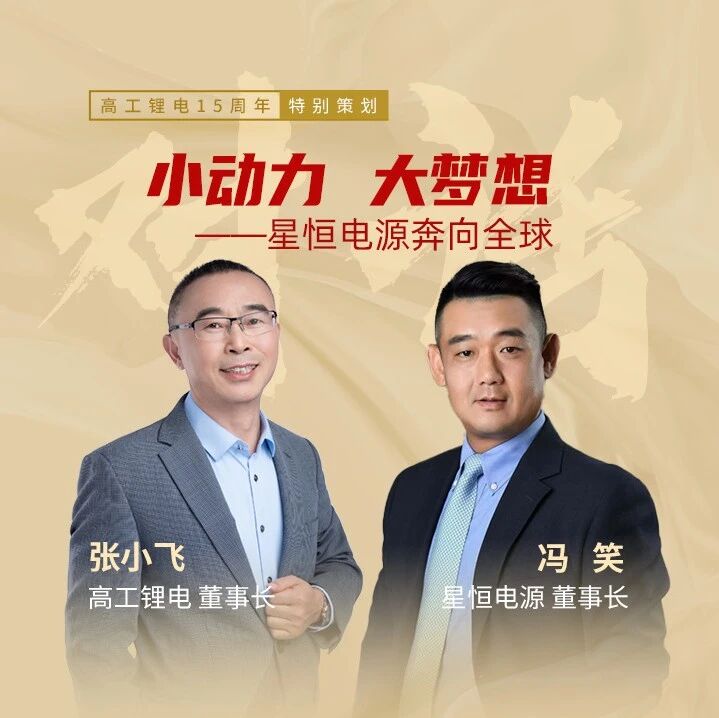
飞哥对话冯笑:星恒电源如何玩转小动力市场?
高工锂电· 2026-02-12 07:05
Core Viewpoint - The article highlights the evolution of China's lithium battery industry, focusing on the unique strategic approach of Xingheng Power, which has established itself as a leader in the "small power" sector while others focus on electric vehicles [1][3]. Group 1: Company Strategy and Market Position - Xingheng Power defines its mission as creating energy "containers" for a vast potential customer base of 2 to 2.5 billion people over the next decade, particularly in regions like South Asia, Africa, and South America [1][9][13]. - The company emphasizes independent thinking and innovation over following industry giants, advocating for a diverse and scenario-based approach to battery production [1][20]. - Xingheng Power's strategic focus is on light vehicles, including two-wheelers and three-wheelers, as well as energy storage solutions, which are seen as critical areas for growth [5][6]. Group 2: Product Development and Market Expansion - The company has achieved significant success in the light vehicle battery market, with a shipment volume of 33 million units by the end of last year, aiming for 100 million units in the near future [10]. - Xingheng Power is exploring new applications for its batteries, including electric boats, targeting smaller vessels for personal use [11][15]. - The company is committed to standardizing its battery products to enhance usability across various applications, which is expected to drive future growth [8][19]. Group 3: Innovation and Industry Perspective - The article underscores the importance of innovation that resonates with everyday users, suggesting that a focus on user-centric design can lead to better product performance and market acceptance [10][20]. - The future of the battery industry is seen as one where batteries become assets rather than mere consumables, with a push towards standardization to facilitate broader adoption [8][19]. - The strategic vision of Xingheng Power is to ensure that its products are ubiquitous, similar to how common batteries are used today, thereby contributing to a more electrified future [8][19].

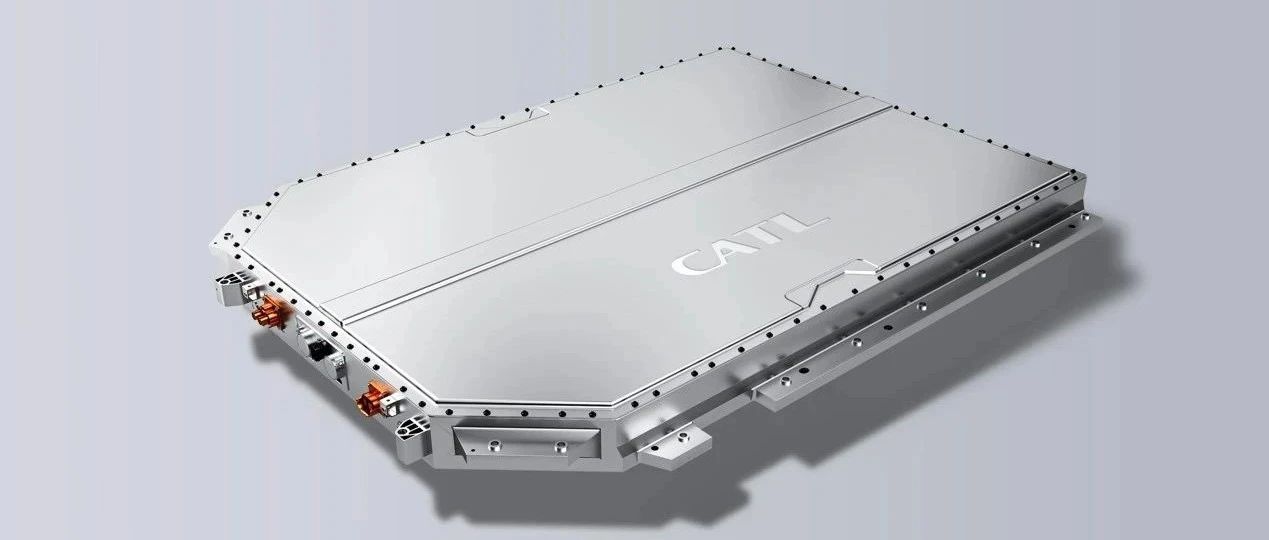
新国标严控超快充安全 宁德时代麒麟电池率先达标
高工锂电· 2025-05-09 09:58
Core Viewpoint - The article highlights the launch of the new national safety standard for power batteries in China, emphasizing the importance of safety in the context of rapid charging technology and the competitive landscape of electric vehicles [2][3][5]. Summary by Sections New National Standard Raises Safety Bar - The new national standard GB 38031-2025 for electric vehicle power batteries introduces stricter safety requirements, particularly for fast charging scenarios [3][5]. - The standard applies to various battery types, including lithium-ion, nickel-hydrogen, and sodium-ion batteries, covering safety requirements from individual cells to battery packs [6]. - A key innovation in the new standard is the requirement for batteries to pass safety tests after 300 cycles of fast charging, ensuring they do not catch fire or explode [7][8]. - The standard also includes new tests for bottom collision scenarios, requiring battery systems to withstand impacts without leaking or igniting [9]. Ningde Times' NP Technology Breakthrough - Ningde Times has announced that its Kirin battery, equipped with NP (No Thermal Diffusion) technology, is the first to pass the new national standard, supporting a charging rate of up to 6C [11][13]. - The NP technology has been developed since 2020 to address thermal runaway issues, with over 86% of automakers requesting this safety feature [13][14]. - The company has established a clear roadmap for NP technology, progressing from passive protection to advanced safety measures [14][17]. Accelerating Fast Charging Adoption - The breakthrough in battery safety technology aligns with the rapid development of the fast charging market, facilitating broader application of fast charging technology [19]. - By 2025, fast charging technology is expected to see significant growth, with high-end vehicles achieving 5-6C charging rates and mid-range vehicles adopting 3-4C [20][21]. - Fast charging technology is expanding beyond electric vehicles to hybrid and commercial vehicles, with increasing demand for efficient charging solutions [22]. Strategic Implications for Ningde Times - Ningde Times aims to maximize the lifecycle value of its batteries, positioning them as reliable assets through comprehensive safety systems and advanced manufacturing capabilities [23][25]. - The company is leveraging AI-enhanced manufacturing processes to ensure high quality and consistency in battery production, significantly reducing safety failure rates [23]. - Future developments include preparing for advanced applications in autonomous driving, ensuring battery reliability under extreme conditions [24]. Industry Impact and Future Outlook - The implementation of the new safety standard is expected to significantly impact the power battery industry, raising safety entry barriers and accelerating market competition [26][27]. - Companies that have proactively invested in core safety technologies are likely to gain a competitive advantage in the evolving market landscape [28]. - The focus on extreme safety and long-term battery value is becoming a key competitive factor for leading companies in the industry [29].