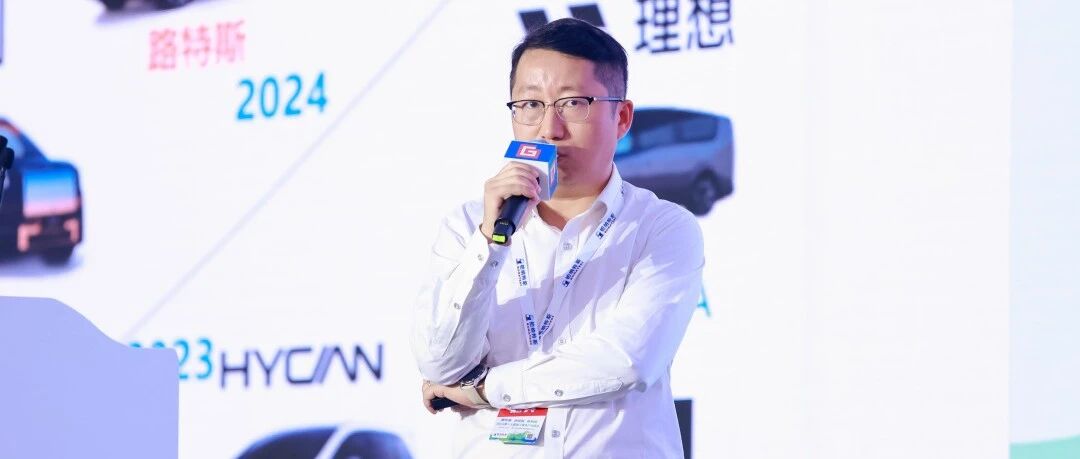
超快充技术

Search documents
比亚迪股份午后涨超3% 花旗预期比亚迪兆瓦闪充领先市场最少半年
Zhi Tong Cai Jing· 2026-03-09 06:39
Core Viewpoint - BYD has launched its second-generation blade battery and fast-charging technology, achieving a new record for the fastest charging speed in mass production, which allows charging from 10% to 97% in just 9 minutes [1] Group 1: Product Development - The second-generation blade battery has a 5% increase in energy density compared to the first generation [1] - The Tengshi Z9GT, equipped with this new battery, boasts a range of 1,036 kilometers [1] Group 2: Market Position and Competitive Advantage - Citigroup's report indicates that advanced battery and charging capabilities require systematic technological advancements that are difficult for competitors to replicate, estimating that BYD will gain at least a 6-month market lead [1] - The development of ultra-fast charging facilities is expected to enhance BYD's brand competitiveness, creating a spillover effect that justifies the investment [1] - With its advanced fast-charging technology, BYD is anticipated to focus on high-end brands this year [1]

港股异动 | 比亚迪股份(01211)午后涨超3% 花旗预期比亚迪兆瓦闪充领先市场最少半年
智通财经网· 2026-03-09 06:36
Core Viewpoint - BYD's stock rose over 3% following the announcement of its second-generation blade battery and fast-charging technology, achieving a new record for the fastest charging speed in mass production [1] Group 1: Product Development - On March 5, BYD officially launched its second-generation blade battery and fast-charging technology, which can charge from 10% to 97% in just 9 minutes [1] - The second-generation blade battery has a 5% increase in energy density compared to the first generation, with the Tengshi Z9GT equipped with this battery achieving a range of 1,036 kilometers [1] Group 2: Market Position and Competitive Advantage - Citigroup released a report stating that advanced battery and charging capabilities require systematic technological advancements that are difficult for competitors to replicate, estimating that BYD will gain at least 6 months of market lead time [1] - The construction of ultra-fast charging facilities is expected to enhance BYD's brand competitiveness, creating a spillover effect, and Citigroup believes this investment is worthwhile [1] - With its advanced fast-charging technology, BYD is expected to focus on high-end brands this year [1]
BYD Needs Just 9 Minutes To Challenge Tesla's Last Great Advantage
Benzinga· 2026-03-06 20:31
Core Insights - Tesla's competitive advantage lies in its Supercharger network, which has established a benchmark for EV infrastructure, allowing for quick recharging and long-distance travel [1] - The charging network remains a significant practical advantage for Tesla against increasing competition from Chinese EV manufacturers [1] Charging Technology Comparison - Tesla's Supercharger V3 stations provide fast-charging capabilities of up to 250 kilowatts, enabling a charge from 10% to 80% in approximately 25-30 minutes [2] - In contrast, BYD's Flash Charger can deliver up to 1,500 kilowatts, which is about six times the output of Tesla's fastest chargers [2] BYD's Expansion Plans - BYD has installed over 4,000 Flash Charging stations in China and is planning a global rollout of this technology [3] Technical Considerations - The nine-minute charging time for BYD's Flash Charger requires the use of its second-generation Blade Battery and compatible vehicle architecture [4] - To support the high power demand, BYD's chargers are paired with energy storage systems that store electricity and release it quickly during charging sessions [4] Industry Implications - The emergence of ultra-fast charging technologies could shift the competitive landscape of the EV industry from merely establishing charging networks to focusing on the speed of charging [5] - Tesla, which has historically dominated this space, may face increased competition as new technologies scale globally [5]


800V新能源车渗透率破10%,超充电池、超充桩等率先升级
高工锂电· 2026-02-26 11:00
Core Viewpoint - The article emphasizes the collaborative upgrade of the supercharging ecosystem, highlighting the increasing penetration of the 800V high-voltage platform in the electric vehicle market and the simultaneous advancements in battery and supercharging infrastructure [1]. Group 1: 800V High-Voltage Platform - The 800V high-voltage platform is transitioning from a high-end configuration to a mainstream standard, with a projected penetration rate exceeding 10% by 2025, translating to nearly 1.5 million units sold, and a forecast of 15% penetration in 2026 [2]. - As the penetration of 800V high-voltage electric vehicles rises, supporting components such as batteries and supercharging stations are also undergoing upgrades [3]. Group 2: Battery Technology - The mainstream battery for the 800V high-voltage platform is the 5C battery, utilized in models like Xiaopeng G9 Max, NIO ET9, and others, with major suppliers including CATL, Zhongchuang Innovation, and Yiwei Lithium Energy [3]. - The narrative around 6C batteries is shifting from a ternary material system to lithium iron phosphate (LFP), with CATL and SAIC General collaborating on LFP 6C batteries, and Chu Neng New Energy set to release a 6C LFP "Everest" battery in October 2025 [4]. Group 3: Supercharging Infrastructure - The supercharging infrastructure is evolving, with BYD initiating a megawatt-level supercharging competition in early 2025, applying it to models with a 1000V high-voltage platform, thus closing the loop for rapid energy replenishment for 800V and above models [4]. - BYD's second-generation megawatt supercharging station, with a maximum output power of 1.5 megawatts, is in the construction phase, featuring two charging guns and two 200kWh energy storage cabinets to enhance charging efficiency and reduce fluctuations [5][6]. Group 4: Industry Collaboration - The widespread adoption of ultra-fast charging technology relies on the technical and product collaboration among automakers, battery manufacturers, and charging station companies across the supply chain [7].



超23亿索赔,用心做好每一块电池的欣旺达被起诉
Xin Lang Cai Jing· 2025-12-29 13:39
Core Viewpoint - The lawsuit against XWANDA by Weirui Electric Vehicle Technology highlights significant quality issues with battery cells supplied by XWANDA, leading to a claim of 2.314 billion RMB, which poses a substantial risk to the company's financial health [21][4][26]. Group 1: Lawsuit Details - XWANDA's subsidiary, XWANDA Power Technology, is being sued by Weirui Electric Vehicle Technology for a breach of contract, claiming severe quality issues with battery cells supplied from June 2021 to December 2023 [21][4]. - The lawsuit involves claims for direct economic losses, appraisal fees, attorney fees, and litigation costs, with the Ningbo Intermediate People's Court officially accepting the case [4][5]. - This lawsuit signifies a deeper internal conflict within the supply chain of major automotive manufacturers, rather than a typical customer-supplier dispute [5][24]. Group 2: Financial Implications - The claim amount of 2.314 billion RMB is significantly higher than XWANDA's net profit of 1.47 billion RMB for the entire year of 2024 and 1.41 billion RMB for the first three quarters of 2025 [26][7]. - If XWANDA loses the case and is required to pay the full amount, it could have a severe impact on the company's financial status, although the final effects will depend on the court's ruling and auditor assessments [26][6]. Group 3: Company Overview and Market Position - XWANDA has established a strong market presence, focusing on square aluminum shell battery technology and expanding into cylindrical batteries, covering various electric vehicle segments [27][8]. - The company's market share in the power battery sector has increased to 3.25%, ranking sixth in the industry, showcasing robust growth [28][9]. - XWANDA has formed partnerships with major automotive brands, including NIO, Xpeng, and Li Auto, and has secured a battery supply project for Xiaomi's third vehicle model [30][12]. Group 4: Strategic Challenges - The ongoing lawsuit not only affects the relationship between XWANDA and Weirui but also raises alarms across the entire industry supply chain [32][14]. - As XWANDA seeks to expand its market share and potentially list in Hong Kong, the resolution of this lawsuit will be crucial for its future growth and capital market ambitions [32][14]. - Following the announcement of the lawsuit, XWANDA's stock experienced a significant drop of nearly 16%, reaching a four-month low [32][14].

超快充赛道进入“生态竞逐”时间
中国能源报· 2025-12-27 00:38
Core Viewpoint - The rapid development of ultra-fast charging technology is expected to alleviate user pain points in energy replenishment, driven by continuous technological penetration and deepening industry collaboration [1][2]. Group 1: Market Dynamics - The ultra-fast charging market is experiencing accelerated growth due to the dual drivers of technological maturity and rising demand, with numerous companies announcing advancements in product mass production [2][4]. - Major automotive and battery manufacturers are intensifying their focus on ultra-fast charging technology, leading to the introduction of new products and solutions [3][4]. Group 2: Product Innovations - Li Auto plans to mass-produce its self-branded 5C battery, enhancing safety performance and user experience [4]. - Chuangneng New Energy launched the "Zhu Feng" 6C fast-charging battery, achieving a specific energy density of 190Wh/kg and a volume energy density of 420Wh/L, supporting over 1000 km range for electric vehicles [4]. - A new commercial vehicle ultra-fast charging battery, Gen2, was released by Xinwanda, following the introduction of a large-capacity battery for heavy trucks [4]. Group 3: Infrastructure Development - The surge in private car ownership is driving the rapid deployment of ultra-fast charging stations in residential and commercial areas, while the electrification of logistics heavy trucks is boosting the construction of high-power DC charging facilities [5][11]. - There is a need for improved charging infrastructure in lower-tier cities and counties, as the current coverage remains insufficient [11]. Group 4: Safety Standards and Challenges - The implementation of ultra-fast charging requires a comprehensive optimization of vehicles, batteries, charging equipment, and thermal management, presenting technical challenges [7]. - The new national standard for electric vehicle batteries, effective from July 2026, includes safety tests for fast charging cycles, emphasizing the need for enhanced safety measures in ultra-fast charging technology [8][9]. Group 5: Ecosystem Development - A well-structured ultra-fast charging ecosystem is crucial for the industry's growth, necessitating collaboration among battery manufacturers, vehicle producers, and charging infrastructure providers [10]. - The current lack of unified charging standards and service disparities must be addressed to facilitate the widespread adoption of ultra-fast charging technology [10][11].
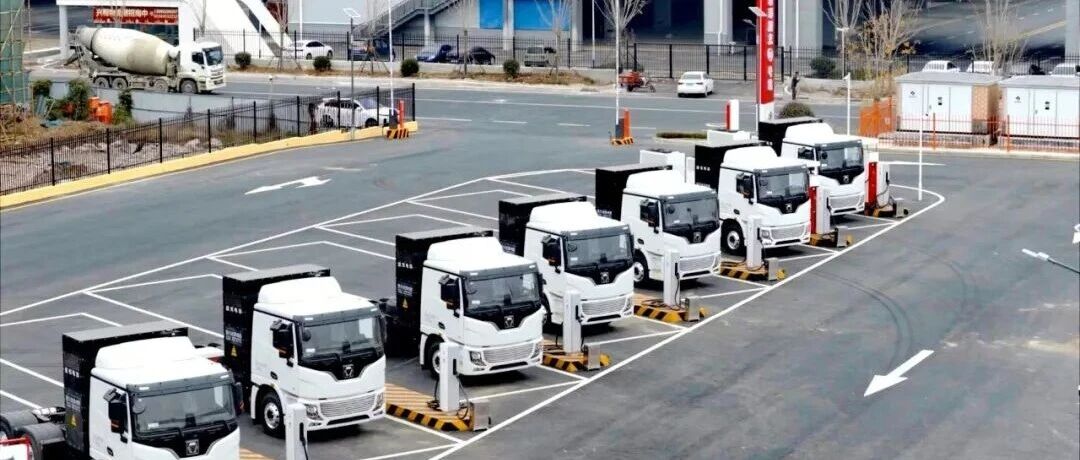
“充电像加油”还有多远?超快充技术狂奔,安全标准体系亟待升级
Zhong Guo Neng Yuan Wang· 2025-12-24 09:29
Core Insights - The competition in the new energy vehicle charging market is intensifying, driven by the dual forces of technological maturity and rising demand for ultra-fast charging solutions [1] Group 1: New Products and Solutions - Ultra-fast charging technology is becoming a key direction in the evolution of charging technologies, with major domestic and international automakers and battery manufacturers increasing their investments and innovations in this area [2] - Li Auto plans to mass-produce its self-developed 5C battery, enhancing safety and user experience [2] - Chunan New Energy launched the "Zufeng" 6C fast-charging battery, achieving a continuous 6C charging rate and a range of over 1000 kilometers [2] - A new commercial vehicle ultra-fast charging battery, Gen2, was released by Xinwanda, following the introduction of a large-capacity battery for heavy trucks [2] - Huawei introduced a liquid-cooled megawatt fast charging solution with a peak power of 1.5 megawatts, capable of charging 20 kWh per minute [2] Group 2: Infrastructure Development - The surge in private car ownership is accelerating the deployment of ultra-fast charging stations in residential and commercial areas, while the electrification of logistics heavy trucks is driving the construction of high-power DC charging equipment [3] Group 3: Safety Standards and Challenges - Achieving fast charging performance requires a multi-dimensional optimization of vehicles, batteries, charging equipment, thermal management, and costs, presenting certain technical challenges [4] - The new national standard for electric vehicle batteries, effective from July 2026, includes safety tests for fast charging cycles, requiring batteries to pass external short-circuit tests after 300 fast charging cycles [4] - The development of new anode materials, such as silicon-based and hard carbon, is necessary to meet the higher safety requirements posed by ultra-fast charging [5] Group 4: Ecosystem Construction - The development of ultra-fast charging technology is entering a "fast lane," with applications expanding beyond passenger vehicles to commercial vehicles and emerging eVTOL markets [6] - A more complete and efficient ultra-fast charging ecosystem is crucial for the speed and quality of industry development, necessitating collaboration among battery, vehicle, and charging infrastructure sectors [6] - There is a need for unified charging standards and communication protocols to enhance compatibility between charging stations and batteries, facilitating user convenience [6] Group 5: Regional Infrastructure Gaps - Coverage of charging infrastructure in third- and fourth-tier cities and rural areas remains insufficient, with a need for improved ratios of fast and ultra-fast charging stations [7] - The existing charging network is lagging in adapting to vehicle evolution, indicating a need for policy support to encourage the construction of high-quality charging stations in rural areas and ultra-fast networks for logistics heavy trucks [7]

第401批公告:宁德快充电池上车与众08,中航三元配套小鹏X9纯电版
高工锂电· 2025-11-12 12:39
Core Insights - The Ministry of Industry and Information Technology recently released the 401st batch of the "Announcement of Road Motor Vehicle Production Enterprises and Products," featuring 121 new vehicles, with over half being pure electric models [3][4]. Group 1: New Vehicle Overview - A total of 121 new vehicles were announced, including 76 pure electric models, 45 range-extended or plug-in hybrid models, 13 models with ternary batteries, 3 models with nickel-manganese-cobalt batteries, and 105 models with LFP batteries [3][4]. - Chery, BYD, and Audi are the top three companies in this announcement, with Audi introducing 6 new models equipped with ternary batteries sourced from CATL [4]. Group 2: BYD's New Models - BYD launched several new models, including the Ocean, Dynasty, and Fangchengbao series, featuring hybrid models such as the Seal 05, 06, and 07, as well as the Tang, Qin L, Qin Plus, Song Pro, and Titanium 7 [5]. - The BYD Seal 06 is positioned as a successor to the Song PLUS, available in two battery versions: 10.08 kWh (80 km) and 15.87 kWh (120 km), starting at a price of 99,800 yuan [5]. Group 3: New Energy Vehicle Trends - Xpeng introduced the MONA M03 and the pure electric MPV X9, with the M03 being a best-seller, having delivered over 200,000 units by November, achieving over 14 consecutive months of monthly deliveries exceeding 10,000 units [5][6]. - The new M03 features batteries from EVE Energy and Fudi, both of which are lithium iron phosphate systems, while the X9 is an ultra-pure electric version equipped with ternary batteries from Zhongxin Innovation [6]. Group 4: Battery Supply and Market Dynamics - The majority of new vehicles are equipped with lithium iron phosphate batteries, with ternary battery suppliers primarily being CATL, serving brands like Xingtu, Audi, and Jikrypton [7]. - The new 7-seat MPV Ruisheng M8, featuring nickel-manganese-cobalt batteries, was officially launched on November 5, with a pre-sale price ranging from 169,800 to 229,800 yuan [7]. Group 5: Industry Expansion and Future Events - The demand for batteries has been rising throughout the year, prompting leading battery manufacturers to expand production capacity [9]. - The 2025 (15th) High-Performance Lithium Battery Annual Conference will be held in Shenzhen from November 18-20, featuring discussions on the future demand in the lithium battery industry [9].


10元每升的「致命」冷却液,让理想痛失20亿
3 6 Ke· 2025-11-07 11:49
Core Viewpoint - The recall of 11,411 units of the Li Auto MEGA electric vehicle is expected to cost the company around 2 billion yuan due to a fire incident caused by inadequate corrosion resistance of the coolant used in the vehicle's cooling system [2][3]. Group 1: Incident Overview - A fire incident involving a Li Auto MEGA occurred in Shanghai, leading to significant consumer panic regarding electric vehicle safety [2]. - The company announced a recall for the 2024 MEGA models produced between February 18, 2024, and December 27, 2024, to replace the coolant and address potential battery overheating issues [2][3]. Group 2: Technical Details - The coolant used in the 2024 MEGA is a low-conductivity type, which was intended to meet insulation design requirements but has shown insufficient corrosion resistance compared to traditional coolants [3][7]. - The low-conductivity coolant is a newer solution, costing approximately 10 yuan per liter, and is designed to prevent issues like foaming and stratification that can occur with traditional coolants [8][9]. Group 3: Industry Implications - The incident raises concerns about the validation processes for coolant and cooling system components within the automotive industry, particularly for new energy vehicles [11][12]. - The rapid corrosion of the cooling plates in the MEGA, which typically should last over a decade, has prompted scrutiny of both the vehicle manufacturer and the battery supplier regarding their testing and validation protocols [10][16]. Group 4: Future Considerations - Following the incident, Li Auto has established a dedicated materials laboratory to enhance research in basic materials, fluids, and chemicals, indicating a shift in focus towards the underlying material science in automotive safety [23]. - Other companies using the same battery technology, such as Xiaomi Auto, are also conducting urgent reviews of their cooling systems to prevent similar issues [20].
巨湾技研总裁裴锋将在高工锂电15周年年会发表主题演讲
高工锂电· 2025-11-05 09:01
Core Viewpoint - The 2025 High-Performance Lithium Battery Annual Conference will focus on the rapid advancement of ultra-fast charging technology and its implications for the electric vehicle industry, highlighting key innovations and industry leaders [2][4]. Group 1: Event Details - The 2025 High-Performance Lithium Battery Annual Conference will take place from November 18 to 20, 2025, at the JW Marriott Hotel in Qianhai, Shenzhen [4]. - The event is organized by GGII and features various sponsors, including Hai Moxing Laser and Dazhu Lithium Battery [2]. Group 2: Technological Advancements - Ultra-fast charging technology is moving towards large-scale application, with companies like Juwan Technology leading the way [3]. - Juwan Technology's XFC ultra-fast charging battery has achieved significant performance milestones, charging from 5% to 63% SOC in just 3 minutes and 58 seconds, with an average charging rate of 8.8C [3]. - The XFC battery supports up to 3000 ultra-fast charging cycles, with a real-world driving range exceeding 310,000 kilometers and a degradation rate below 5% [7]. Group 3: Industry Impact - The rapid penetration of electric vehicles is increasing the demand for efficient charging solutions, making charging efficiency a critical factor for user experience and industry growth [2]. - Juwan Technology is actively promoting the development of a "Super Charging City," covering various applications including passenger vehicles, heavy trucks, and aircraft [8]. Group 4: Conference Highlights - The conference will feature a 15th-anniversary celebration and the presentation of the High-Performance Golden Ball Awards, along with the release of an industry blue paper and themed sessions addressing key industry concerns [9].