电竞精神

Search documents
当电竞遇到ESG
财富FORTUNE· 2025-12-26 13:10
Core Viewpoint - The article emphasizes the evolving landscape of the esports industry, particularly focusing on the role of young people and the company Xingjing Weiwu in integrating ESG (Environmental, Social, and Governance) principles into the esports ecosystem, showcasing a commitment to responsibility, growth, and inclusivity [1][13]. Group 1: Industry Development and Youth Engagement - The esports industry is increasingly recognized for its potential to foster community and emotional connections among fans, with young people viewing esports players as new role models [3][4]. - The growth of esports has led to a shift in how young people express their values, with support for teams and players becoming a significant part of their identity [3][4]. - Xingjing Weiwu is addressing the challenges faced by esports players, such as career uncertainty and lack of support systems, by establishing a comprehensive support framework for player development [4][5]. Group 2: Player Development and Career Pathways - The comprehensive support system developed by Xingjing Weiwu allows players to maximize their potential during their careers and provides diverse options for life after esports [5][6]. - Former player "Orange" shares his transformative journey through esports, highlighting the personal growth and community building that comes from participating in the industry [6][7]. - The importance of balancing gaming with education and mental health is emphasized, with a call for young people to have realistic expectations about pursuing a career in esports [8]. Group 3: Gender Representation in Esports - Female players are increasingly gaining recognition and respect in the esports industry, as exemplified by player "Strawberry," who has overcome biases to establish herself as a professional [9][11]. - The article discusses the journey of female players from being marginalized to becoming integral parts of the esports ecosystem, contributing to various sectors beyond just competition [12]. - The growing presence of female players is helping to dismantle stereotypes and enhance the diversity of the esports community [12][13]. Group 4: ESG Integration and Long-term Vision - The esports industry must confront structural issues, such as providing sustainable career paths for players and creating inclusive environments for all participants [13][14]. - Xingjing Weiwu is embedding ESG practices into its operations, focusing on quality, stability, and long-term value rather than just scale and traffic [14][15]. - The integration of ESG principles is seen as a way for the esports industry to redefine its impact and responsibilities, fostering a more engaged and responsible community [14][15].

从虚拟峡谷到经济锚点:解码电竞价值创造的内在逻辑
腾讯研究院· 2025-11-26 09:44
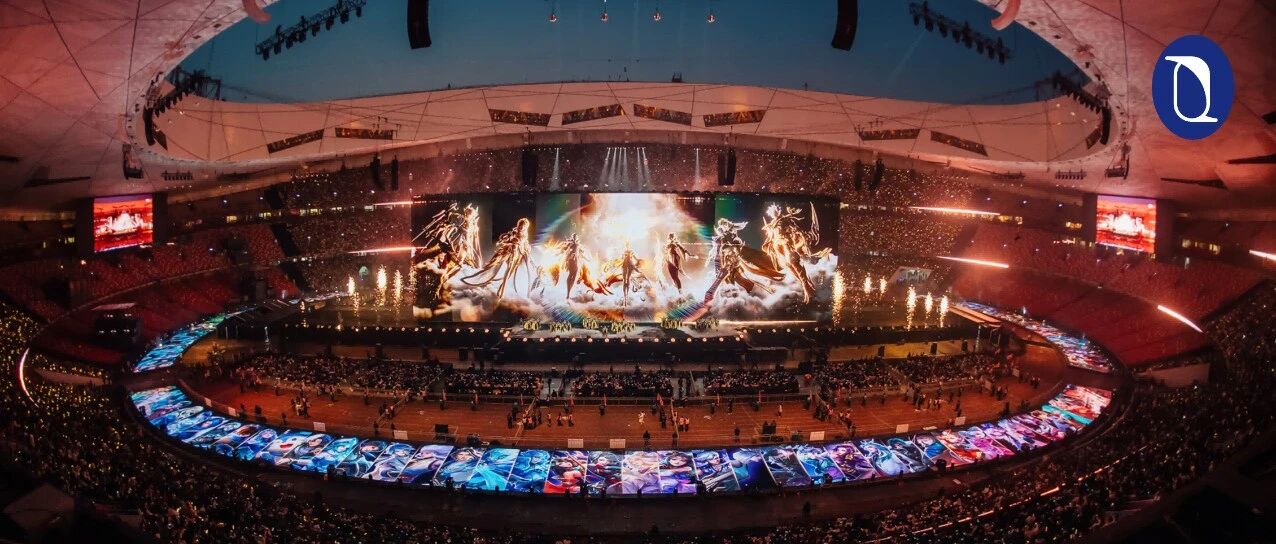
Core Insights - The article emphasizes that the value of esports has transcended mere competition outcomes, extending into broader socio-economic realms, highlighting three key value spillover paths: as a new foundation for cutting-edge technology applications, as a new engine for consumer activation, and as a new link for cultural exchange [3][4] Group 1: Esports Economic Impact - The rapid sale of tickets within 12 seconds and the fact that over 85% of attendees were from outside the local area or even overseas illustrate the strong economic impact of esports events [2] - The 2025 King of Glory World Championship set a Guinness World Record with 62,196 live spectators, showcasing the massive audience engagement and its ripple effects on local economies, including full hotels and extended shopping hours [2][3] Group 2: Historical Development of Esports - The evolution of esports is rooted in technological breakthroughs, such as the invention of the transistor in the 1950s, which made computing more accessible and led to the creation of early competitive games like "Spacewar!" [5] - The establishment of the first professional esports league in 1997 and the World Cyber Games in 2000 marked significant milestones in the commercialization and internationalization of esports [7][8] Group 3: Event as a Platform - Esports events have transformed from individual competitions into core platforms that structure user engagement, creating predictable and repeatable participation paths [10] - The long-term operation of games has allowed esports events to accumulate a substantial user base, evolving into a distinct industry that integrates cultural, sports, and technological elements [10][11] Group 4: User Participation and Community Building - The esports industry has developed a user co-creation ecosystem, where fans transition from mere spectators to active participants, enhancing their emotional connection to the events [14] - Initiatives like the King of Glory's talent program allow users to transition from online creators to offline roles, fostering deeper engagement and community involvement [15] Group 5: Value Recognition and Cultural Significance - The core values and spirit of esports resonate with the younger generation, providing a sense of self-actualization, social belonging, and cultural exchange [17][18] - The emotional connection to esports is reflected in the community's recognition of personal and collective achievements, transforming temporary enthusiasm into lasting emotional ties [18]