白银牛市行情

Search documents
暴跌之后 白银何去何从?
Xin Hua Cai Jing· 2026-02-12 08:01
Core Viewpoint - The recent dramatic decline in COMEX silver futures, which saw a historic single-day drop of 35%, has abruptly ended a bullish market trend, with low probabilities of new highs in the short to medium term. However, many institutions remain optimistic about the long-term prospects of silver, advising caution in the short term [1][5]. Market Dynamics - The silver market experienced a significant surge, with prices rising by 300% in 2025, followed by a sharp decline shortly after the start of 2026. This volatility has led to substantial profits for some investors while others faced significant losses [2]. - The surge was driven by a combination of increased industrial demand and a correction in the gold-silver ratio, with large institutional players fueling the market and attracting retail investors [2][5]. - As prices rose, short positions were forced to cover, leading to a reversal in market dynamics where long positions began to liquidate, resulting in a sharp price drop exacerbated by regulatory measures that increased margin requirements [2][3]. Historical Context - Historical patterns indicate that major peaks in silver prices are often accompanied by increased margin requirements from exchanges. The recent adjustments by the CME to a percentage-based margin system have accelerated the deleveraging process in the silver market [3]. - The volatility in silver prices has been unprecedented, with significant fluctuations observed in a short time frame, making short-term predictions nearly impossible [3][6]. Long-term Outlook - Analysts maintain a bullish long-term outlook for silver, citing persistent supply-demand imbalances and geopolitical risks that support higher prices. Despite short-term volatility, the fundamental drivers for silver's long-term growth remain intact [5][7]. - UBS forecasts a significant shortfall in the silver market by 2026, with investment demand expected to exceed 400 million ounces, although high prices may dampen industrial demand [5][6]. - The recent price drop is attributed more to risk aversion than a collapse in fundamentals, suggesting that without sustained investment demand, silver prices may struggle to stay above $85 per ounce [6]. Investment Strategy - Financial institutions suggest that while the long-term trend for precious metals remains upward, the current market conditions warrant a cautious approach in the short term. Investors are advised to monitor volatility levels for potential re-entry points [7].
从亨特兄弟到“无形之手”:两次“白银狂潮”的异与同 |破译金属新主线
Qi Huo Ri Bao· 2025-12-27 09:48
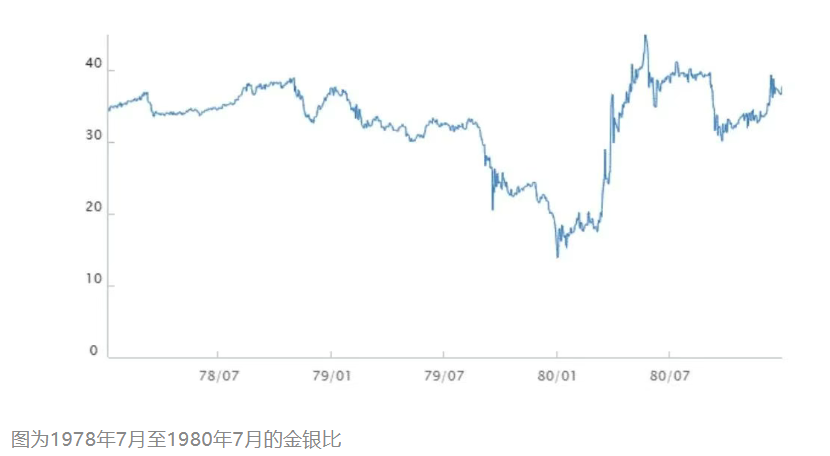
今日,伦敦现货白银价格突破79美元/盎司,再创历史新高。这一轮上涨行情,不免使人联想到1980年亨特兄弟操纵下的"白银狂 潮"。上述两轮行情均呈现价格大幅飙升、期货市场交投活跃的特征,但核心驱动逻辑、市场结构与最终走向截然不同——前者 是单一机构操纵市场引发的短期泡沫行情,后者是由基本面、宏观面与资金面支撑的趋势性行情。透过两场跨越四十余年的"白 银狂潮",我们可以清晰窥探资本市场的进化轨迹与资产定价逻辑转换的核心规律。 1980年白银泡沫瞬间破裂 1979年8月至1980年3月,白银市场上演了一场由亨特兄弟主导的闹剧。当时,白银工业需求占比为40%,金融属性主导定价,这 为大机构操纵市场提供了可乘之机。亨特兄弟凭借在石油行业积累的巨额财富,通过家族企业、关联公司及离岸账户,在全球范 围内秘密囤积白银现货,短期内控制了全球50%以上的白银库存,导致COMEX白银期货库存骤降,现货市场流动性近乎枯竭。 在现货市场完成布局后,亨特兄弟转向期货市场,在纽约金属交易所大举建立多头头寸推高COMEX白银期货价格,形成"现货 短缺—期货涨价—空头恐慌"的市场状态。随后,投机资金跟风涌入,推动白银价格从1979年8月的6美 ...