多杀多

Search documents
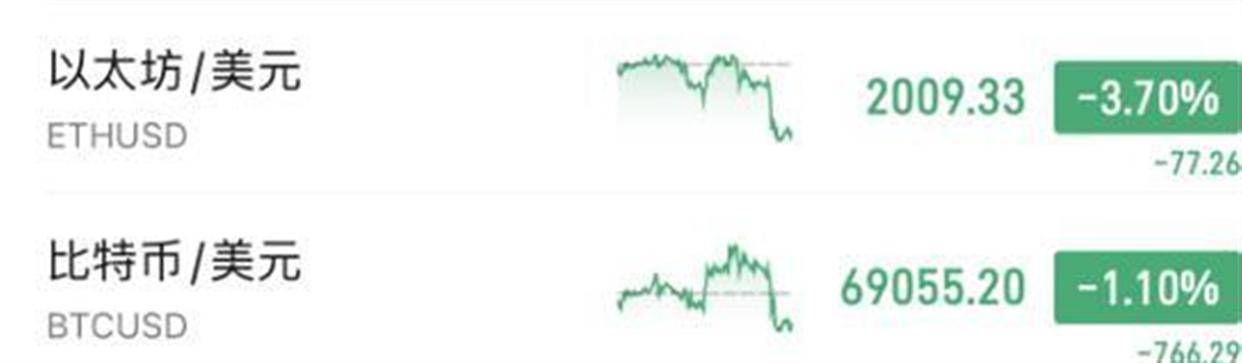
昨夜,币圈跳水了,行业大佬警告,这个点位就像一道危险的闸门!
Sou Hu Cai Jing· 2026-02-16 17:04
Core Viewpoint - The cryptocurrency market is experiencing significant downturns, with Bitcoin and Ethereum prices plummeting, leading to widespread panic among investors [1][3]. Market Dynamics - Bitcoin has dropped over 40% since its peak in October, with the overall cryptocurrency market capitalization evaporating by nearly half [1]. - A critical price level of $60,000 is highlighted, where a large cluster of put options exists, potentially triggering forced liquidations if breached [1]. - The market is facing a liquidity crisis as forced selling exacerbates the downward spiral, creating a "long squeeze" scenario [1][5]. Technical Analysis - Analysts are monitoring Bitcoin's 200-week moving average, currently above $58,000, viewed as a crucial support level [1]. - Predictions suggest Bitcoin could decline to around $50,000, coinciding with a high volume of outstanding put options [1]. Sentiment and Behavior - Market sentiment is overwhelmingly pessimistic, with analysts reporting that all contacts express short-term bearish views [3]. - The use of leverage is identified as a key amplifier of the current market turmoil, leading to forced liquidations and increased selling pressure [3][5]. - Over 200,000 traders were liquidated in a recent downturn, with total liquidation amounts reaching $955 million [3]. Options Market Impact - The options market is exerting additional pressure, with traders who sold $60,000 put options needing to hedge by selling Bitcoin as prices approach this level [4]. - The total open interest for put options linked to the $60,000 strike is reported at $1.24 billion [4]. Macro Environment - The nomination of Kevin Warsh as the new Federal Reserve Chair is causing market turbulence, raising concerns about tightening monetary policy and its negative implications for Bitcoin [4]. - High interest rates and a strong dollar are making safer assets like U.S. Treasuries more attractive, leading to capital outflows from volatile assets like Bitcoin [4]. Broader Market Effects - Bitcoin's weakness is dragging down the entire cryptocurrency market, with other major coins like Ethereum and Solana also experiencing declines [5]. - The current market environment is characterized by defensive behavior among traders, with a focus on reducing leverage and risk exposure [5]. - Analysts warn that if Bitcoin continues to fall below the $60,000 to $58,000 range, it could open the door for further declines, potentially testing support around $40,000 [5].

暴跌之后 白银何去何从?
Xin Hua Cai Jing· 2026-02-12 08:01
Core Viewpoint - The recent dramatic decline in COMEX silver futures, which saw a historic single-day drop of 35%, has abruptly ended a bullish market trend, with low probabilities of new highs in the short to medium term. However, many institutions remain optimistic about the long-term prospects of silver, advising caution in the short term [1][5]. Market Dynamics - The silver market experienced a significant surge, with prices rising by 300% in 2025, followed by a sharp decline shortly after the start of 2026. This volatility has led to substantial profits for some investors while others faced significant losses [2]. - The surge was driven by a combination of increased industrial demand and a correction in the gold-silver ratio, with large institutional players fueling the market and attracting retail investors [2][5]. - As prices rose, short positions were forced to cover, leading to a reversal in market dynamics where long positions began to liquidate, resulting in a sharp price drop exacerbated by regulatory measures that increased margin requirements [2][3]. Historical Context - Historical patterns indicate that major peaks in silver prices are often accompanied by increased margin requirements from exchanges. The recent adjustments by the CME to a percentage-based margin system have accelerated the deleveraging process in the silver market [3]. - The volatility in silver prices has been unprecedented, with significant fluctuations observed in a short time frame, making short-term predictions nearly impossible [3][6]. Long-term Outlook - Analysts maintain a bullish long-term outlook for silver, citing persistent supply-demand imbalances and geopolitical risks that support higher prices. Despite short-term volatility, the fundamental drivers for silver's long-term growth remain intact [5][7]. - UBS forecasts a significant shortfall in the silver market by 2026, with investment demand expected to exceed 400 million ounces, although high prices may dampen industrial demand [5][6]. - The recent price drop is attributed more to risk aversion than a collapse in fundamentals, suggesting that without sustained investment demand, silver prices may struggle to stay above $85 per ounce [6]. Investment Strategy - Financial institutions suggest that while the long-term trend for precious metals remains upward, the current market conditions warrant a cautious approach in the short term. Investors are advised to monitor volatility levels for potential re-entry points [7].
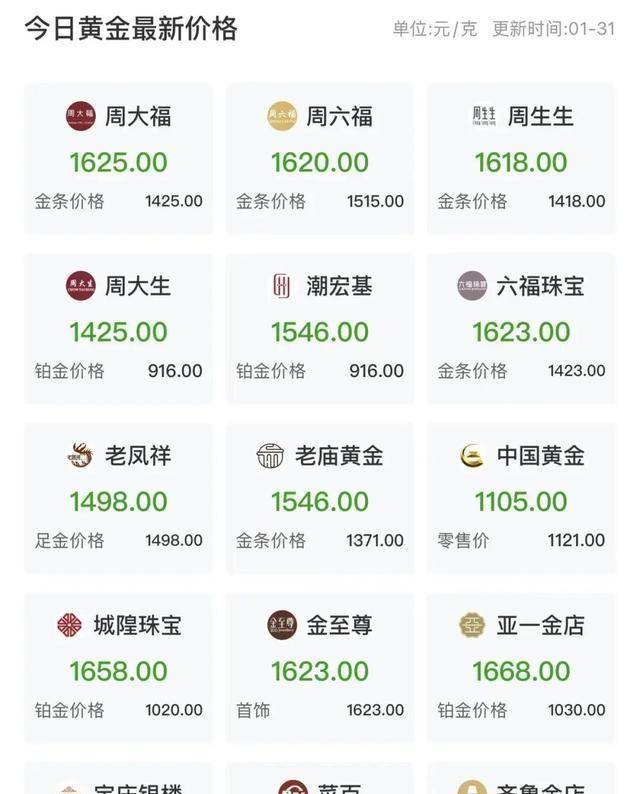
金价暴跌,男子花20万买200克,银行纷纷发布公告
Sou Hu Cai Jing· 2026-02-03 17:50
Core Viewpoint - The recent sharp decline in gold prices has led to a mixed market reaction, with some investors looking to buy the dip while others are counting their losses [1][3][4] Market Reaction - On January 30, gold futures on the New York Commodity Exchange fell below $4,800 per ounce, with a daily drop exceeding 10%, while spot gold hit a low of $4,682 before closing at $4,880.03, marking a maximum daily decline of over 12% [1] - Domestic gold jewelry prices also adjusted downward, with most products dropping approximately 80 yuan per gram, reflecting a significant market correction [1][4] Investor Behavior - In Beijing, some individuals exchanged old jewelry for cash, while others took the opportunity to invest in gold bars, indicating a mix of fear and greed in the market [3] - A customer at a gold store in Nanchang expressed a desire to invest in gold, stating that it serves both as an adornment and an investment, highlighting the dual nature of gold as a commodity [4] Price Dynamics - Major gold retailers like Chow Tai Fook and Chow Sang Sang reported price drops of 60 to 90 yuan per gram within just one to two days, illustrating the rapid market adjustment [4] - The recent price drop is noted as the largest single-day decline in 40 years, with silver prices also experiencing a significant drop of over 35% [4] Market Conditions - The decline in gold prices is attributed to a combination of overheated market conditions and external triggers, such as a downturn in U.S. stock markets and disappointing earnings reports from major companies like Microsoft [6][7] - The volatility in the market is further exacerbated by speculation and the behavior of institutional investors, leading to a chain reaction of sell-offs [7][9] Regulatory Response - Major banks in China have implemented measures to assess the risk tolerance of individual investors participating in gold accumulation transactions, indicating a proactive approach to managing systemic risk [9] - These measures aim to protect investors from high volatility and ensure that they are informed and capable of handling potential losses [9] Long-term Outlook - Despite short-term volatility, the long-term outlook for gold remains optimistic due to persistent factors such as inflation expectations, geopolitical uncertainties, and diverging monetary policies [12] - The current price fluctuations are viewed as a market correction rather than a fundamental shift in gold's value proposition [12] Conclusion - The market is experiencing a misalignment between expectations and reality, driven by liquidity and valuation asymmetries, necessitating a balanced approach between investor protection and market liquidity [14] - Investors are encouraged to maintain a long-term perspective, manage their positions carefully, and prioritize risk control in the face of market volatility [14]
宏观周报20260131:“多杀多”式暴跌后,大宗前景分析-20260201
NORTHEAST SECURITIES· 2026-02-01 11:13
Group 1: Market Dynamics - The recent market crash was primarily driven by accelerated trading behaviors rather than fundamental changes, leading to a "long squeeze" scenario[1] - The essence of the current market reversal is the exhaustion of short positions, which has made price increases unsustainable due to a lack of short sellers[2] - A low trading volume can lead to significant price increases as short orders become increasingly scarce, indicating that the market may be nearing a turning point[2] Group 2: Future Outlook - Despite the recent downturn, the fundamental outlook for metals remains unchanged, suggesting that new highs may still be achievable later this year[3] - Precious metals are currently experiencing extreme market sentiment, warranting caution and a focus on risk management[3] - For copper, the recent market turmoil has had a limited impact due to a lack of speculative funds, but potential liquidity crises in gold and silver could necessitate caution for copper as well[3] Group 3: Performance Metrics - This week, oil saw a decline of 20%, while the S&P 500 dropped by 17.5% and the Nasdaq fell by 15%[3] - The dollar index decreased by 0.4%, while gold and silver also experienced declines of 2.0% and 0.4%, respectively[3]
“多杀多”引发惨剧 华尔街基金经理讲述黄金白银史诗级大跌日经历
经济观察报· 2026-02-01 08:06
Core Viewpoint - The precious metals market is experiencing extreme bullish sentiment, characterized by record high long positions and options purchases, leading to a bubble-like atmosphere that could result in significant price corrections for gold and silver [1][3]. Group 1: Market Dynamics - On January 30, 2026, COMEX gold futures fell from $5,410 to $4,907 per ounce, marking a nearly 12% drop, the largest single-day decline in 40 years [2]. - COMEX silver futures saw a drop from $115.89 to $85.25 per ounce, with a maximum intraday decline of 35.30%, the largest since the 1980s [2]. - The market attributed this drastic decline to the nomination of Kevin Warsh as the next Federal Reserve Chair, which raised concerns about a more cautious monetary policy [3][10]. Group 2: Investor Behavior - Fund managers, including those managing over $2 billion, were caught off guard by the rapid price drop, leading to forced liquidations and panic selling [3][12]. - The influx of speculative capital from the cryptocurrency market, particularly from Bitcoin, contributed to the volatility, as investors sought to lock in profits amid uncertainty [10][12]. - The sentiment among fund managers shifted from optimism to panic as prices fell below critical support levels, triggering a "liquidation cascade" [11][12]. Group 3: Future Outlook - Despite the recent volatility, there is a belief that gold and silver have long-term upward potential due to geopolitical risks and the weakening position of the dollar [4][19]. - However, the current environment is characterized by high volatility, necessitating careful position management and reduced leverage to avoid significant losses [4][20]. - The CME Group has raised margin requirements for gold and silver futures, which may lead to further exits from high-leverage positions and reduced market liquidity [20][21].
“多杀多”引发惨剧 华尔街基金经理讲述黄金白银史诗级大跌日经历
Jing Ji Guan Cha Wang· 2026-02-01 07:22
Core Viewpoint - The recent historic drop in COMEX gold and silver futures prices has caused significant turmoil in the precious metals investment market, leading to substantial losses for hedge funds and raising concerns about market stability and future price movements [1][2][3]. Market Reaction - On January 30, COMEX gold futures fell from $5,410 to $4,907 per ounce, a drop of over 12%, marking the largest single-day decline in nearly 40 years. COMEX silver futures dropped from $115.89 to $85.25 per ounce, with a maximum intraday decline of 35.30%, the largest since the 1980s [1]. - The net asset value of a hedge fund managing a $60 million precious metals investment fund fell by over 6% in one night, the largest single-day drop since its inception [2]. Causes of Price Drop - The price drop was attributed to the nomination of Kevin Warsh as the next Federal Reserve Chairman, which raised concerns about a more cautious U.S. monetary policy, causing the dollar index to rise from 96.20 to 97.11 [2][3]. - The market was already experiencing a bubble due to excessive bullish positions and record levels of call options, making it vulnerable to sharp corrections [2][7]. Market Sentiment - The sentiment among hedge fund managers was one of shock and panic, as many were unprepared for such a drastic price drop. The market was characterized by extreme bullishness, with gold and silver being among the most crowded trades globally [8][9]. - The rapid decline in prices triggered a "liquidation cascade," where many funds were forced to sell off their positions to avoid further losses, exacerbating the price drop [8][10]. Future Outlook - Despite the recent volatility, there is a belief that gold and silver prices have long-term upward potential due to ongoing geopolitical risks and the weakening global position of the dollar [3][14]. - However, the current environment is marked by high volatility, and investors are advised to manage their positions and leverage carefully to avoid significant losses in the event of further price corrections [3][14][15]. Margin Requirements - Following the price drop, the CME Group raised margin requirements for COMEX gold and silver futures, increasing the margin ratio for high-risk accounts, which may lead to further exits from the market by leveraged investors [14].
市场突然大跌,如何应对?
雪球· 2025-10-18 13:00
Core Viewpoint - The article emphasizes the importance of maintaining composure and a long-term perspective during market downturns, suggesting that such periods can present opportunities to acquire quality assets at discounted prices [6][9][14]. Market Analysis - Recent market fluctuations are attributed to a combination of internal and external factors, including tightening overseas liquidity, geopolitical uncertainties, and technical adjustments in overperforming sectors [8]. - Historical data shows that since 2005, mixed equity funds have experienced significant drawdowns, yet holding these funds for three years yields an 85% probability of positive returns, and over five years, this probability increases to over 95% [7]. Investment Strategy - Investors are encouraged to reassess their fund portfolios during market declines, ensuring that the investment strategies of fund managers remain consistent and aligned with their risk preferences [10]. - The article advocates for a disciplined approach to investing, suggesting that market downturns can be ideal times for dollar-cost averaging, thereby reducing overall investment costs [11]. Learning and Growth - Market volatility serves as a valuable educational experience, highlighting the importance of asset allocation and the understanding that no asset appreciates indefinitely [12]. - The article encourages investors to trust in professional management and the power of time, asserting that those who remain calm and adhere to sound investment principles will be rewarded in the long run [15][16].