
盟友关系

Search documents
美“夺岛”威胁持续,外媒:丹麦首相质疑与美国的盟友关系还能维持多久
Huan Qiu Wang· 2026-01-28 02:34
Group 1 - The core viewpoint of the article highlights the Danish Prime Minister Frederiksen and Greenland's Prime Minister Nielsen's visit to Berlin and Paris to secure support against pressure from U.S. President Trump regarding Greenland [1] - Frederiksen expressed uncertainty about the longevity of the alliance with the U.S., indicating a shift in the global order and emphasizing the need for European unity and independence from the U.S. [3] - The article notes that Frederiksen does not view Trump or the U.S. as adversaries, but the U.S. actions regarding Greenland have placed Denmark in a difficult position [3] Group 2 - The article reports that the Trump administration has repeatedly expressed interest in acquiring Greenland, even suggesting the possibility of using force, which has drawn strong reactions from Europe regarding the sovereignty of Greenland [3] - It mentions that during a meeting in Davos, Trump and NATO Secretary General Stoltenberg discussed a framework for future agreements concerning Greenland and the Arctic, but Frederiksen stated that Stoltenberg does not have the authority to negotiate on behalf of Denmark and Greenland [3]


特朗普叫板欧洲八国
Sou Hu Cai Jing· 2026-01-21 04:48
Core Viewpoint - The article discusses the escalating tensions surrounding Greenland, highlighting the strategic significance of the region in international politics and the implications of the U.S. administration's aggressive stance towards its European allies [1][3]. Group 1: U.S. Actions and Strategy - Trump has reiterated his commitment to impose tariffs on European countries opposing the "annexation" of Greenland, indicating a shift in U.S. foreign policy that utilizes economic tools as political leverage [1][3]. - The U.S. plans to increase tariffs to "100%" on the eight European nations opposing its stance, marking a significant escalation from previous tariff levels [1][3]. - The U.S. military presence in the region is being enhanced, with the North American Aerospace Defense Command announcing the deployment of additional aircraft to a space base in Greenland, which is framed as a long-planned action [5][6]. Group 2: European Response - European nations have responded with restraint but have made it clear that the trade threats are unacceptable, with an emergency EU summit being convened to address the situation [5]. - The lack of a unified European response reflects the internal challenges faced by these nations, balancing the desire to avoid conflict while preparing for potential escalation [5][6]. - Symbolic military deployments and reconnaissance actions are being undertaken by European nations in response to U.S. threats, indicating a cautious approach to the evolving situation [5]. Group 3: Implications for International Order - The article warns that the current situation undermines post-World War II international norms, as sovereignty issues are being treated as negotiable and tariffs are used as punitive measures [3][6]. - The potential for a demonstration effect is highlighted, where if sovereignty can be threatened without consequences, it may lead other nations to reassess their security commitments and adopt more defensive or confrontational strategies [6]. - The article emphasizes the need for a reaffirmation of international rules and norms, stating that while tariffs and military deployments can be negotiated, sovereignty should not be subject to coercion [8].
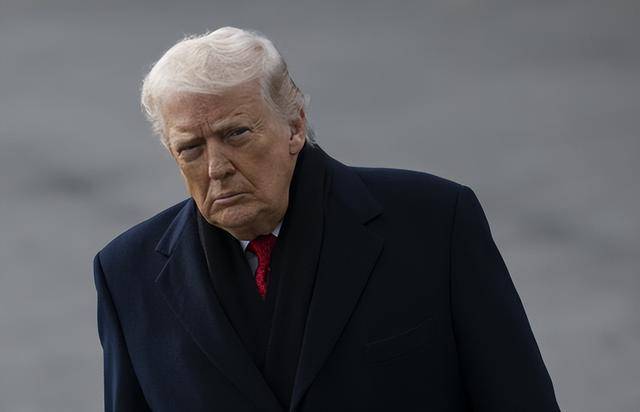
芬兰外长说美国不能“威胁盟友”
Xin Hua She· 2026-01-09 02:59
Core Viewpoint - The Finnish Foreign Minister, Pekka Haavisto, expressed concern over recent comments made by U.S. President Trump and his administration regarding Greenland, emphasizing Finland's support for Denmark and Greenland's right to self-determination and stating that the U.S. should not "threaten allies" [1] Group 1: Finland's Position - Finland supports Denmark and Greenland in their right to self-determination regarding the recent U.S. comments on Greenland [1] - The Finnish Parliament's Foreign Affairs Committee held a special meeting to discuss U.S. statements about Greenland, the situation in Venezuela, and other security issues [1] Group 2: U.S. Threats and International Law - The Chairman of the Finnish Parliament's Foreign Affairs Committee, Johannes Koskinen, stated that the U.S. threats to seize territory from NATO member countries are unprecedented [1] - Such threats are considered a violation of the United Nations Charter and international law [1]
法国总统马克龙抨击美国违反国际法 背离部分盟友
Xin Lang Cai Jing· 2026-01-08 15:52
Core Viewpoint - French President Macron criticizes Washington for violating international law and straying from partnerships following the U.S. capture of Venezuelan President Maduro and threats to take over Greenland [1][2]. Group 1: U.S. Actions - The U.S. has captured Venezuelan President Maduro, escalating tensions in international relations [1][2]. - President Trump has long advocated for U.S. control over Greenland, citing national security concerns [1][2]. Group 2: International Reactions - Macron stated that the U.S. is gradually distancing itself from some allies and disregarding international rules [1][2]. - Danish Prime Minister Frederiksen warned that an attack on Greenland by Trump would signify the end of NATO [1][2]. - European leaders are urging Trump to respect Denmark's sovereignty in light of his aggressive statements regarding Greenland [1][2].
欧洲准备跟美国翻脸了,美俄都得到了自己想要的,欧洲打了个寂寞
Sou Hu Cai Jing· 2025-11-25 19:10
Group 1 - The core viewpoint of the articles suggests that the recent secret negotiations between the US and Russia regarding Ukraine may lead to a surprising "peace" plan that could sacrifice European interests [1][3] - The relationship between the US and its allies, particularly Europe, is characterized as exploitative, with allies being likened to "leeks" that are periodically "harvested" for resources [2][14] - The proposed peace plan includes significant concessions from Ukraine, such as territorial losses and military limitations, which could further destabilize the region and highlight Europe's diminishing role [4][5][6][7] Group 2 - The peace plan requires Ukraine to cede occupied territories and recognize Crimea as Russian, which could be detrimental to its sovereignty [4][5] - Ukraine's military will be limited to a maximum of 600,000 personnel, and it must permanently abandon any aspirations to join NATO [6][7] - The plan also stipulates the withdrawal of foreign troops from Ukraine, which could alter the strategic landscape in Eastern Europe [8] Group 3 - The US stands to gain significantly from the situation, with access to Ukraine's mineral resources and reconstruction opportunities, while European nations may end up with nothing [10][12] - European countries have invested heavily in supporting Ukraine, matching US contributions, yet they face the prospect of receiving no benefits from their efforts [12] - The evolving dynamics may lead to a fracture in the US-European alliance, as European nations begin to recognize their subordinate position and the potential for a backlash against US policies [14][15]
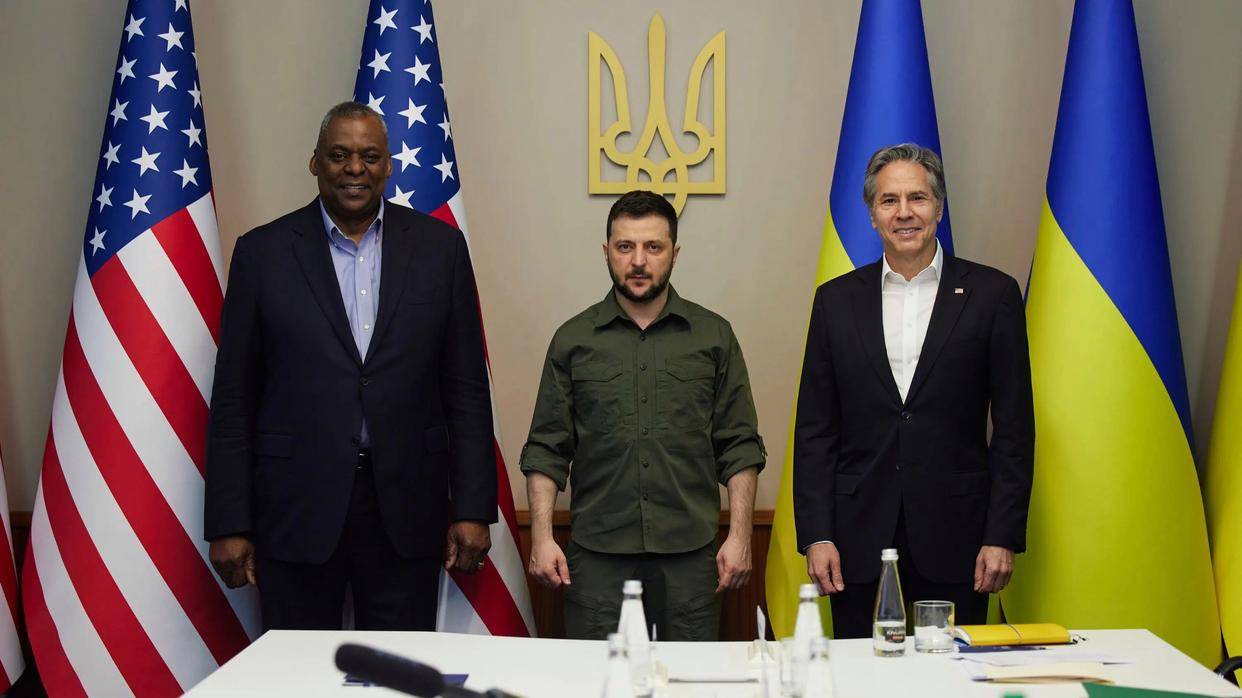
欧洲如今的困境提醒着中国:面对美国和俄罗斯,这两个错误不能犯
Sou Hu Cai Jing· 2025-08-21 07:36
Core Viewpoint - Europe is experiencing heightened tension and a sense of helplessness due to the geopolitical dynamics involving the U.S. and Russia, particularly following the announcement of a meeting between Trump and Putin in Alaska, which has sidelined Europe in critical discussions regarding Ukraine [2][5]. Group 1: European Aid and Positioning - By the end of 2024, the European Union (excluding the UK) is set to provide up to $1.44 trillion in aid to Ukraine, significantly surpassing the $1.24 trillion provided by the U.S., highlighting Europe's role as the primary financial supporter in the conflict [2]. - European leaders, including Macron and Merz, have expressed outrage over being excluded from discussions about Ukraine's future, emphasizing that decisions affecting Ukraine should involve European input due to their own security concerns [7][12]. Group 2: Miscalculations by Europe - Europe has made two critical errors: underestimating Russia's strength and overestimating the reliability of the U.S. as an ally [8][13]. - The belief that Russia's economy was on the brink of collapse has proven incorrect, as Russia has demonstrated resilience and a strong counter-offensive capability, leaving Europe in a precarious situation [10][12]. - The U.S. has shown a willingness to prioritize its interests over its alliance with Europe, as evidenced by Vice President Vance's comments that shocked European representatives, indicating a shift in the U.S. stance [13][16]. Group 3: Implications for Global Dynamics - The current predicament of Europe serves as a warning to other nations, including China, about the dangers of overestimating allies and the potential for shifting allegiances in complex international relations [18][19]. - Europe's fragmented internal situation and inability to unify in response to external pressures have exacerbated its challenges, leading to a loss of strategic clarity in the global landscape [19].
菲律宾总统马科斯:美国是菲律宾最亲密的盟友。
news flash· 2025-07-22 15:45
Core Viewpoint - The President of the Philippines, Marcos, emphasizes that the United States is the Philippines' closest ally [1] Group 1 - The statement reinforces the strong diplomatic and military ties between the Philippines and the United States [1]
美国总统特朗普:英国是我们最珍视的盟友之一。
news flash· 2025-05-08 14:55
Group 1 - The core viewpoint is that the United States values its relationship with the United Kingdom as one of its most cherished allies [1]