真实评价

Search documents
大众点评痛揍AI?
半佛仙人· 2026-03-29 09:07
Core Viewpoint - The article discusses the proliferation of AI-generated reviews and the challenges it poses to authenticity in consumer decision-making, emphasizing the need for platforms like Dazhong Dianping to implement effective governance measures to ensure the integrity of reviews [2][3]. Group 1: AI Review Proliferation - AI-generated reviews have become prevalent, leading to a situation where consumers are misled by overly polished and insincere comments, creating a disconnect between expectations and reality [2]. - The article highlights that the initial pain point for consumers was a lack of information, but now the issue is information overload, with AI exacerbating the problem [2]. Group 2: Governance Strategies - Dazhong Dianping has recognized the need to combat the spread of AI-generated reviews and has begun to disclose data on its governance efforts [2][13]. - The platform's approach includes analyzing the specific sentence structures and word frequencies typical of AI-generated content to filter out low-quality reviews [9]. Group 3: Behavioral Analysis - The article emphasizes that distinguishing between human and AI-generated reviews requires analyzing user behavior, such as the frequency and timing of reviews, which can reveal patterns indicative of AI activity [11][12]. - It suggests that genuine user behavior is often chaotic and varied, while AI-generated reviews tend to follow predictable patterns [11]. Group 4: Physical World Verification - Dazhong Dianping's unique advantage lies in its access to real-world data, such as store operations and transaction records, which can be used to verify the authenticity of reviews [12][13]. - The article argues that without physical world data, algorithms are insufficient for ensuring the accuracy of online reviews [12]. Group 5: Importance of Authenticity - The article stresses that maintaining trust in consumer reviews is crucial for the survival of platforms like Dazhong Dianping, as false reviews can lead to consumer disillusionment and a loss of credibility [15][16]. - It concludes that the fight against AI-generated reviews is not just about content but also about preserving the emotional value and trust that consumers place in authentic experiences [16].


“点评不需要一定要成交”,非商业化的大众点评不是美团的影子
Tai Mei Ti A P P· 2025-06-29 06:10
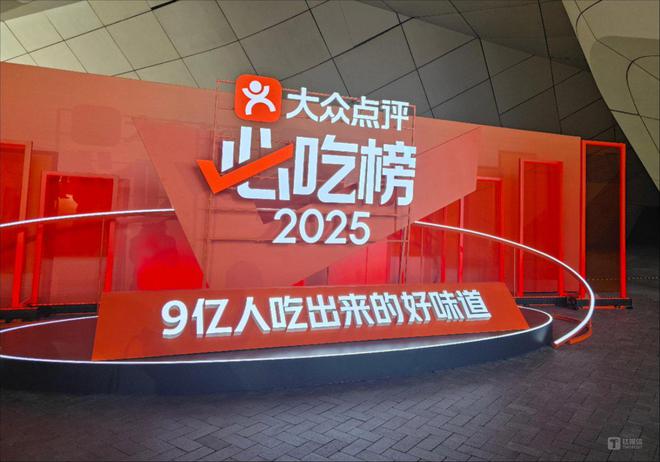
Core Insights - The 2025 "Must-Eat List" by Dianping was unveiled in Nanjing, featuring 3,091 restaurants across 144 cities, with Shanghai, Beijing, Chengdu, Chongqing, and Shenzhen being the top five cities in terms of the number of listed restaurants [2] - Over half of the restaurants on the 2025 list are newcomers, with more than 2,400 being lesser-known local eateries and over 1,200 being long-established local favorites [3] - The list reflects a growing trend in the culinary tourism market, with over 60% of cities seeing more than 50% of users from outside the area [3] Industry Trends - The "Must-Eat List" has become a key indicator of consumer trends in the restaurant industry over its nine years of development [3] - The list has expanded to include 10 new domestic culinary cities and 15 popular cities in Hong Kong, Macau, Taiwan, and overseas [3] - The user experience is emphasized, with a focus on real reviews and a commitment to authenticity in the evaluation process [4][5] Evaluation Process - The selection process for the "Must-Eat List" is based solely on user reviews, with no economic interests involved, and is conducted by a team of algorithm engineers, data engineers, and product managers [5] - The evaluation team analyzed 3.63 billion real reviews to select the 3,091 restaurants from over 6 million merchants, ensuring the credibility of the reviews [5] - A strong regulatory stance is maintained against businesses attempting to manipulate reviews, with independent verification processes in place [5] Business Strategy - Dianping operates independently within Meituan, focusing on enhancing user experience rather than commercial metrics [4][7] - The platform aims to maintain high information density and relevance to user needs, distinguishing itself from Meituan's efficiency-driven approach [7][8] - Future plans include launching additional lists such as "Must-Stay" and "Must-Play" to further integrate travel and dining experiences [3][9]