短缺经济

Search documents
吴晓求:为什么中国人活得很累?房地产价格下降制约消费扩张
Sou Hu Cai Jing· 2025-11-27 07:35
Core Viewpoint - The Chinese economy is undergoing a fundamental transformation from a state of scarcity to one of surplus, which has occurred in just over 40 years. This shift necessitates a reevaluation of consumption expansion strategies in the current economic context [2][4][5]. Group 1: Economic Transformation - The transition from a scarcity economy to a surplus economy is marked by rapid economic growth, with per capita GDP increasing from $150 to $13,500 over the past 40 years [4]. - All 220 sub-industries in China are currently experiencing surplus conditions, indicating a need for new management strategies to address this economic state [4]. Group 2: Consumption Expansion - To expand consumption, income levels must increase, which is heavily reliant on employment. Without sufficient employment, income growth becomes challenging [5]. - The current decline in real estate prices, which constitute 60% of household wealth, severely restricts consumption expansion. Legal protection of reasonable stock wealth is essential [6]. Group 3: Wealth and Social Security - The importance of preserving and enhancing stock wealth is emphasized, as it plays a crucial role in sustaining consumption expansion. The current societal focus on income rather than wealth preservation is problematic [6]. - There is a need for improvements in the social security system to alleviate future uncertainties and enhance consumer confidence. Adjustments in fiscal spending towards social welfare are recommended [7]. Group 4: Investment and Market Dynamics - Investment strategies should focus on iterative adjustments and industry upgrades, with a growing role for social capital in identifying future directions and managing surplus conditions [8].

邢广程:很遗憾,我们对苏联解体的研究还不够
Guan Cha Zhe Wang· 2025-08-20 05:17
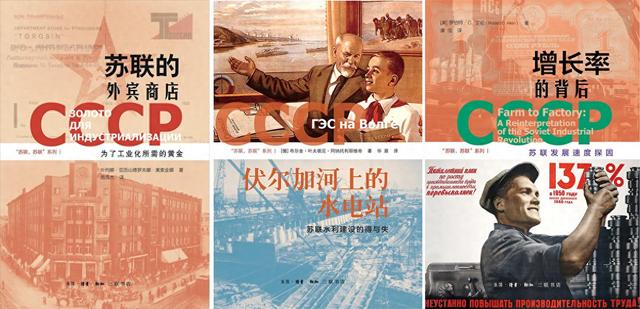
Core Viewpoint - The importance of studying the Soviet Union and Russia for China is emphasized, highlighting the need for more academic research in this area despite the current positive state of Sino-Russian relations [2][10][14]. Group 1: Academic Research on the Soviet Union - There is a noticeable lack of research output on Russia in China, despite the overall growth in international studies [2][10]. - The "Soviet, Soviet" series has published three works that reflect different aspects of the Soviet Union, providing valuable samples for research [2][4]. - The series includes titles that explore topics such as foreign guest shops, the Volga River hydropower stations, and the underlying factors of Soviet growth rates [4][14]. Group 2: Personal Experience and Observations - The speaker has extensive experience in Soviet and Russian studies, having worked in this field for nearly four decades [5][6]. - Observations from the late 1980s reveal a stark contrast between the abundance of goods in post-Soviet Russia and the shortages experienced during the Soviet era [9][10]. - The speaker recounts experiences of visiting the Soviet Union, noting the long queues for basic goods, which reflects the economic conditions of the time [8][9]. Group 3: Historical Context and Lessons - The disintegration of the Soviet Union has led to various interpretations of its history, particularly among Eastern European countries that were once part of the Soviet sphere [10][12]. - The speaker argues that understanding the lessons from the Soviet Union is crucial for China's development, suggesting that these lessons can aid in building socialism with Chinese characteristics [15][16]. - The historical narrative surrounding the Soviet Union continues to evolve, with differing perspectives emerging in Russia and the West [10][12].